住所
304ノース・カーディナル
セント・ドーチェスター・センター(マサチューセッツ州02124
勤務時間
月曜日~金曜日:午前7時~午後7時
週末午前10時~午後5時
住所
304ノース・カーディナル
セント・ドーチェスター・センター(マサチューセッツ州02124
勤務時間
月曜日~金曜日:午前7時~午後7時
週末午前10時~午後5時

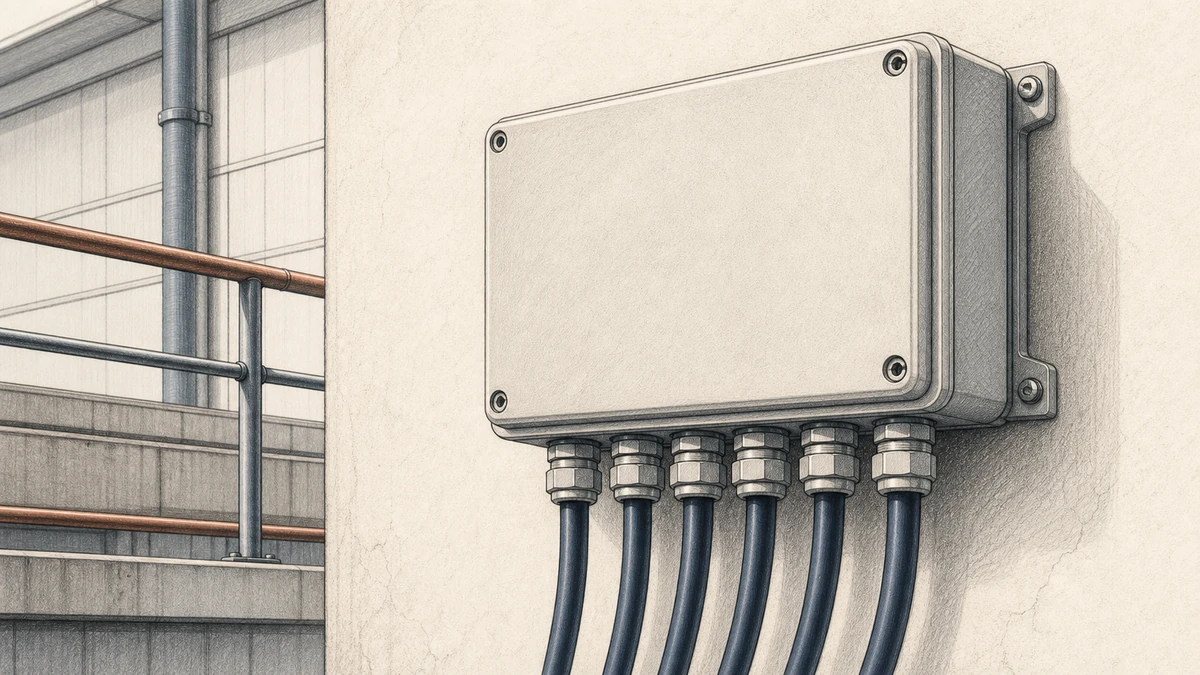
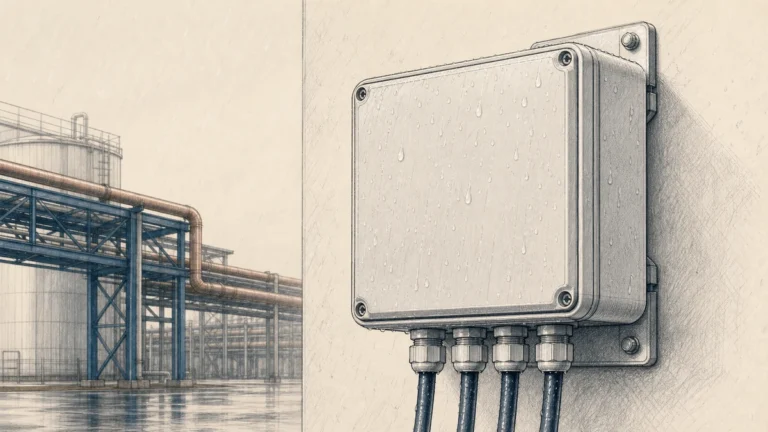
Waterproof distribution box cable glands are small parts with a large responsibility. They close the cable-entry point, grip the cable jacket, and help the complete Waterproof Distribution Box maintain its intended protection level after installation.
A common mistake is to choose a gland only by thread size, such as M20, M25, or M32. Thread size tells you how the gland fits the box wall. It does not fully define the cable diameter it can seal, the pull relief it can provide, or the ingress protection of the final assembly. For a reliable Sinobreaker Waterproof Distribution Box installation, cable gland selection should consider the complete gland, cable outside diameter, enclosure entry, gasket, lock nut, tightening method, and final IP requirement.
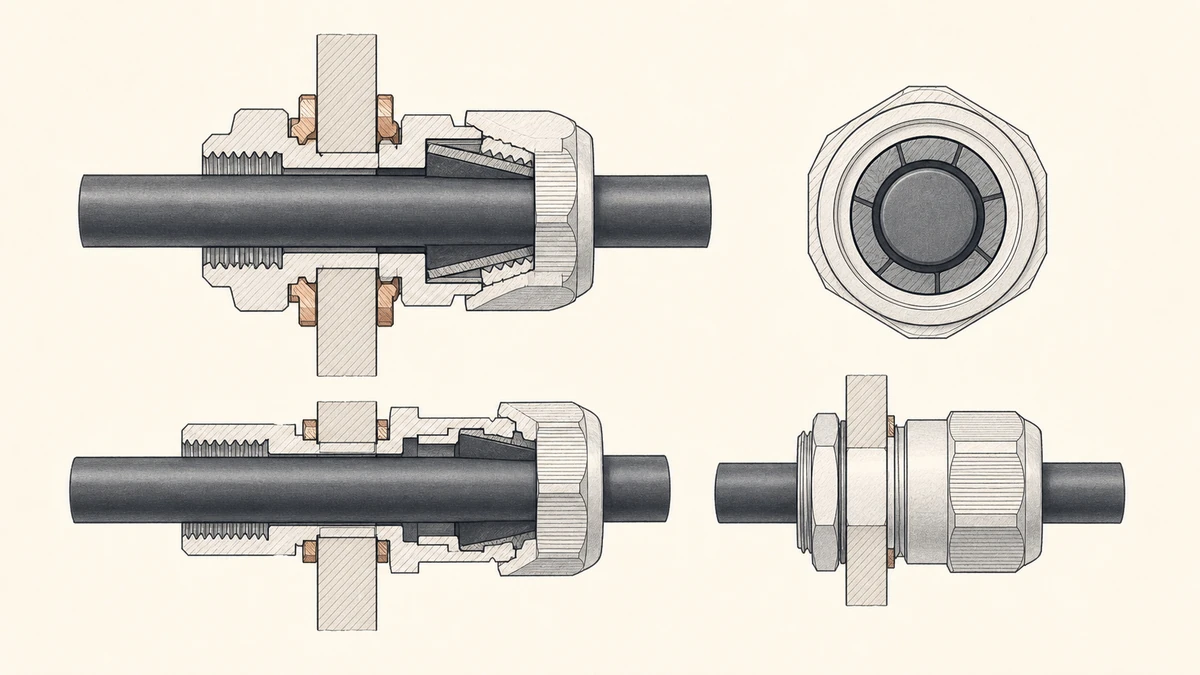
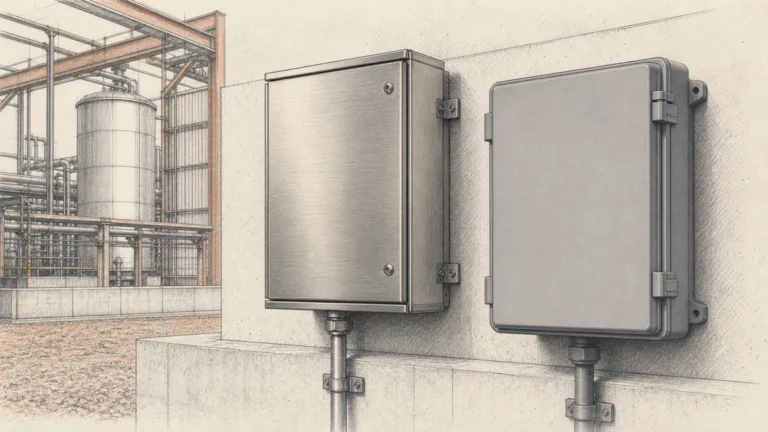
A Waterproof Distribution Box protects electrical connections from dust, splashing water, rain, and other site conditions. However, every drilled or molded cable-entry point becomes a potential leakage path if the gland is mismatched or poorly installed.
IEC 60529 defines IP degrees of protection for enclosures, but the installed result depends on the assembled enclosure and cable-entry system. In practical terms, the box shell, gland body, sealing insert, gasket, lock nut, cable jacket, and tightening torque all work together.
If one part is wrong, the waterproof performance can be reduced even when the box and the gland each appear suitable on paper.
The thread size describes the mounting interface. For example, an M25 gland is designed to fit an M25 threaded hole or knockout with compatible hardware. But the same M25 thread category can be offered with different sealing inserts and different cable diameter ranges.
This means two glands with the same thread may not seal the same cable. One may be suitable for a smaller flexible cable, while another may be designed for a larger jacket diameter. The usable cable diameter window is product-specific and should be confirmed from the manufacturer’s documented data.
The sealing diameter range is the minimum and maximum cable outside diameter that the gland can compress properly. If the cable is too small, the seal may not apply enough pressure around the jacket. If the cable is too large, the gland may be difficult to assemble, may deform the cable, or may not close correctly.
For waterproof distribution box cable glands, the cable outside diameter should sit comfortably within the stated sealing range, not barely at the limit whenever possible. This gives the installer a better chance of achieving consistent compression around the cable.
A good selection process checks:
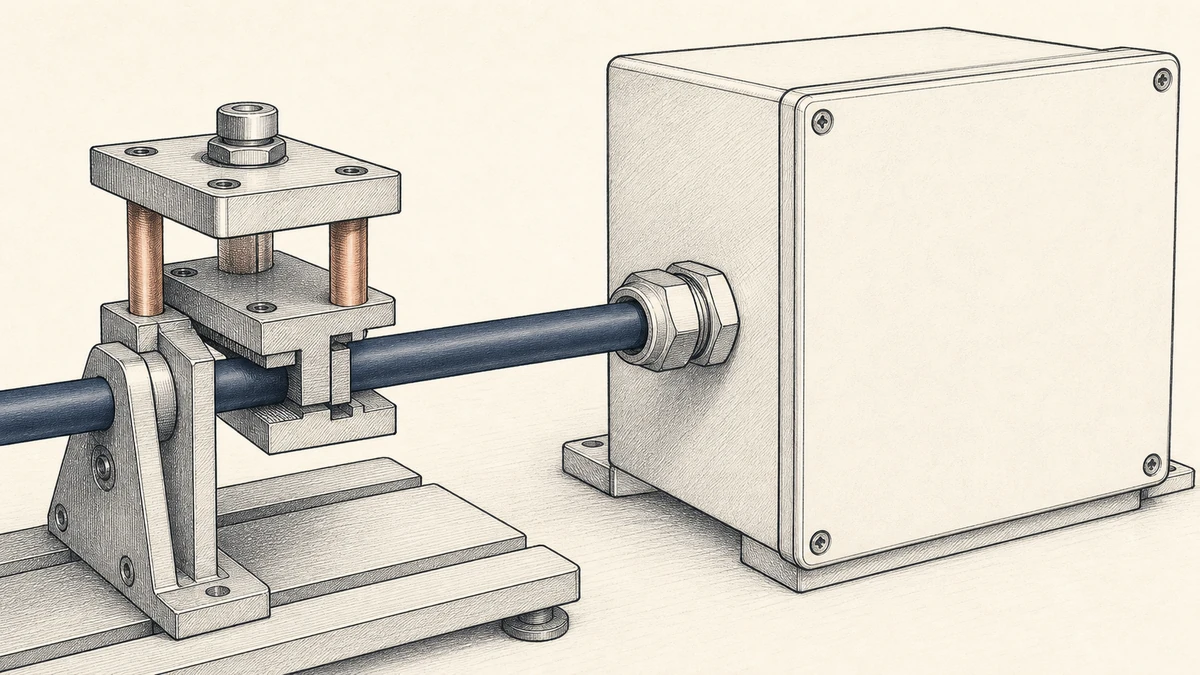
Pull relief, also called strain relief, is the gland’s ability to reduce mechanical stress on internal terminals and wiring connections. In a Waterproof Distribution Box, this matters because cables may be pulled, bent, or moved during installation and maintenance.
IEC 62444 covers requirements and tests for cable glands used in electrical installations. The standard reinforces an important principle: gland performance should be assessed as a complete product, not assumed from thread size alone.
A gland may seal around a cable and also provide mechanical grip, but these are separate performance considerations. Waterproof sealing focuses on preventing water or dust from passing through the cable entry. Pull relief focuses on resisting cable movement and reducing stress transfer to internal conductors.
Some gland designs use compression nuts and internal membranes or claws to provide both sealing and retention. Others may need additional cable clamps, especially where cables are heavy, exposed to vibration, or subject to frequent movement.
For Sinobreaker Waterproof Distribution Box applications, the gland should be selected so that the cable is both sealed and mechanically supported.
Published cable-gland data sheets may list clamping range, pullout force, and IP protection as separate items. This separation is important. A wide clamping range does not automatically mean high retention. A high IP claim does not automatically mean the gland provides enough strain relief for every cable type.
Before installation, confirm whether the gland documentation includes pullout or strain-relief performance. If the application involves outdoor equipment, moving machinery, temporary power, pumps, lighting circuits, or exposed cable runs, pull relief should receive extra attention.
The correct gland must match both the cable and the box entry. A gland that fits the cable but not the box wall is not acceptable. A gland that fits the box but does not seal the cable is also not acceptable.
For a Waterproof Distribution Box, the cable entry may be molded, drilled, or prepared with knockouts. The installer should verify the entry diameter, thread type, wall thickness, and mounting surface condition.
Where required, use suitable gaskets, sealing washers, and lock nuts. These parts help seal the interface between the gland and the distribution box wall. Without the correct hardware, water may bypass the cable seal and enter around the gland body.
Important installation checks include:
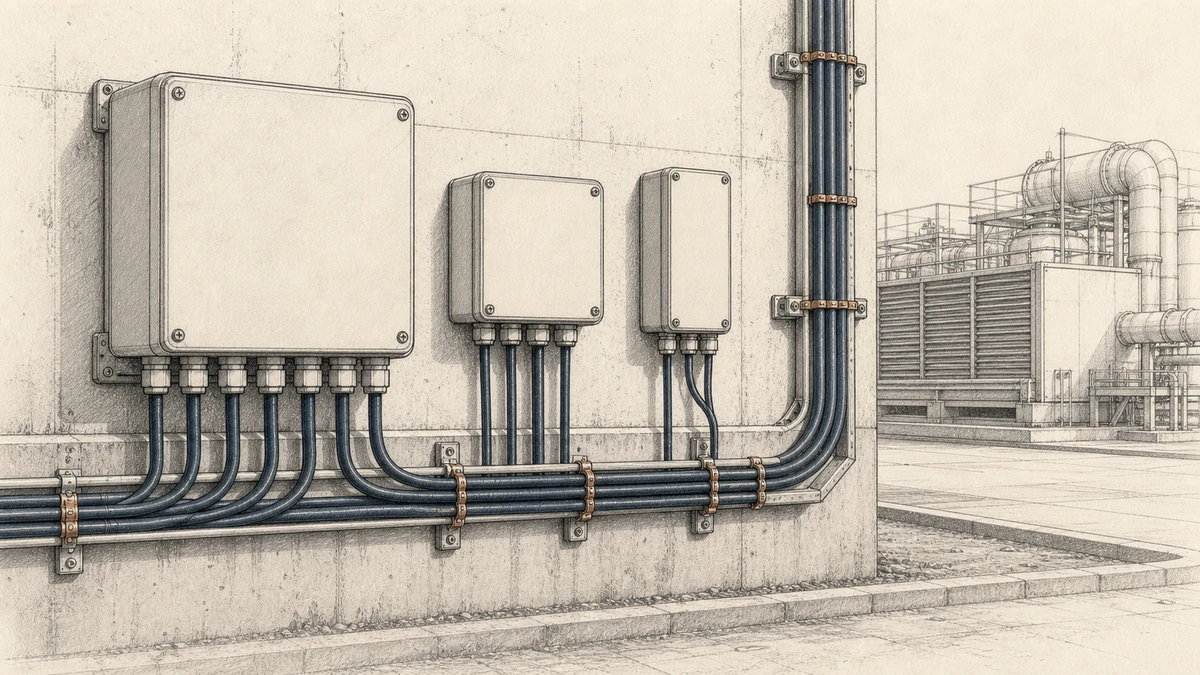
Cable outside diameter can vary between cable types even when conductor size is the same. A 3-core cable, 5-core cable, shielded cable, rubber cable, and PVC cable may all have different jacket diameters.
The safest approach is to measure the actual cable outside diameter and compare it with the gland’s documented sealing range. Do not assume that a cable will fit because the conductor size looks familiar.
A practical selection rule is:
| Selection Point | What to Confirm | Why It Matters |
|—|—|—|
| Thread size | Matches the box entry | Ensures mechanical fit |
| Sealing range | Covers actual cable OD | Ensures waterproof compression |
| Pull relief | Suitable for cable weight and movement | Reduces stress on terminals |
| IP rating | Stated for the gland and assembly conditions | Supports enclosure protection |
| Accessories | Gasket, washer, lock nut, plug | Prevents leakage at entry points |
Even a correctly selected gland can fail if installed incorrectly. Waterproof performance depends on repeatable compression, clean surfaces, and suitable cable routing.
Under-tightening may leave gaps around the cable or the enclosure wall. Over-tightening may damage the sealing insert, deform the cable jacket, or crack weaker enclosure surfaces.
Installers should follow the gland manufacturer’s tightening guidance where available. If torque values are not specified, tighten carefully and check that the cable is gripped evenly without visible damage.
Dust, burrs, paint buildup, or uneven surfaces can prevent the gasket from sealing correctly. Before fitting the gland, inspect the entry hole and remove sharp edges that could damage the gasket or cable jacket.
For outdoor Waterproof Distribution Box installations, cable routing should also reduce water accumulation. A downward cable loop or drip path can help prevent water from running directly toward the gland.
Unused holes are just as important as active cable entries. If a distribution box has spare knockouts or unused threaded entries, close them with compatible waterproof plugs and sealing hardware.
An enclosure with one poorly sealed unused entry may lose the practical benefit of carefully selected waterproof distribution box cable glands on the other entries.
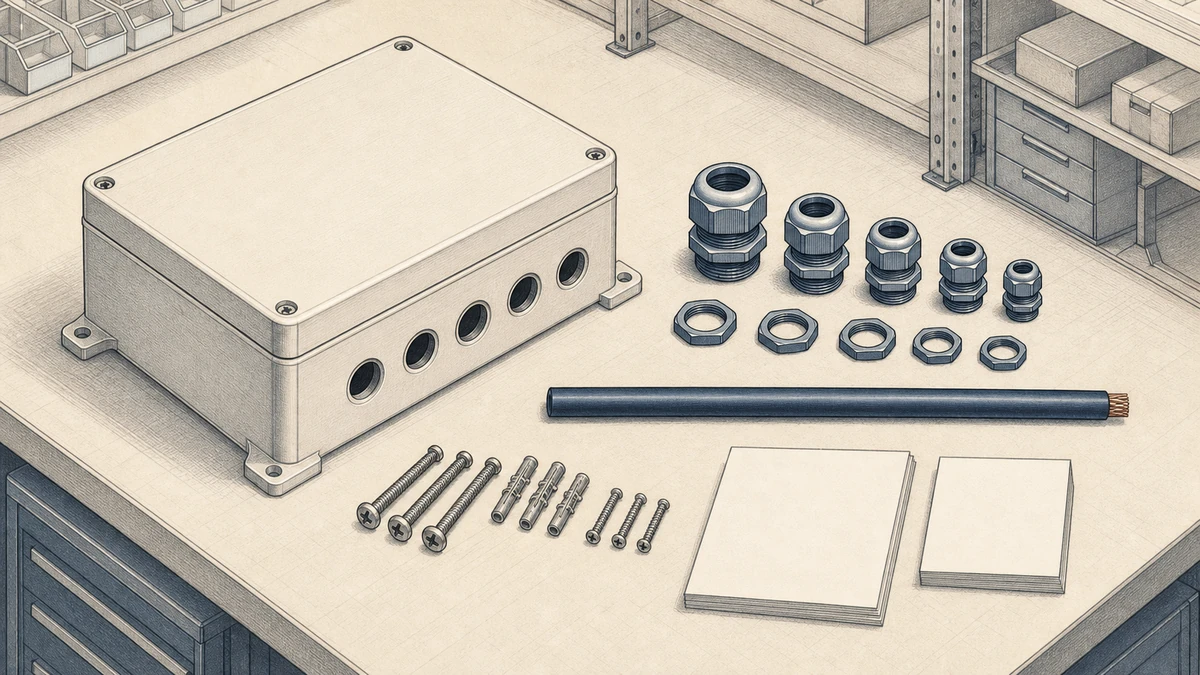
Many waterproofing problems come from small selection mistakes. These can often be avoided with a simple checklist before installation.
An M20 or M25 marking is not enough to confirm performance. The thread designation does not fully define the cable sealing diameter range or pull relief performance. Always check the gland’s documented specifications.
The IP rating of a Waterproof Distribution Box depends on the final assembly. If the gland, gasket, or plug does not match the required protection level, the installed box may not achieve the intended waterproof result.
A cable that is pulled sideways or left unsupported can gradually loosen the gland or stress internal wiring. Use proper cable routing, gland tightening, and additional support where needed.
For a Sinobreaker Waterproof Distribution Box installation, use this checklist before final assembly:
1. Confirm the required IP protection for the installation environment.
2. Measure the actual outside diameter of each cable.
3. Select waterproof distribution box cable glands with a documented sealing range that covers each cable.
4. Confirm the gland thread matches the box entry.
5. Use suitable gaskets, sealing washers, and lock nuts where required.
6. Check whether the gland provides adequate pull relief for the cable type and installation condition.
7. Seal every unused entry with a compatible waterproof plug.
8. Inspect the finished assembly for cable damage, tilted glands, loose nuts, and exposed gaps.
Choose a gland with a documented sealing range that covers the actual cable outside diameter. The cable should not be below the minimum range or forced beyond the maximum range. When possible, select a gland where the cable diameter sits comfortably within the usable range.
No. The final IP performance depends on the assembled enclosure and cable-entry system. The box, gland, gasket, lock nut, cable jacket, blanking plugs, and installation quality all affect the final waterproof result.
Not always to the same level. Some glands provide both sealing and strain relief, while others may offer limited mechanical retention. Check the gland documentation for pull relief or pullout-force performance, and add cable support where the cable is heavy, exposed, or likely to move.