주소
304 북쪽 추기경
세인트 도체스터 센터, MA 02124
근무 시간
월요일~금요일: 오전 7시~오후 7시
주말: 주말: 오전 10시 - 오후 5시
주소
304 북쪽 추기경
세인트 도체스터 센터, MA 02124
근무 시간
월요일~금요일: 오전 7시~오후 7시
주말: 주말: 오전 10시 - 오후 5시

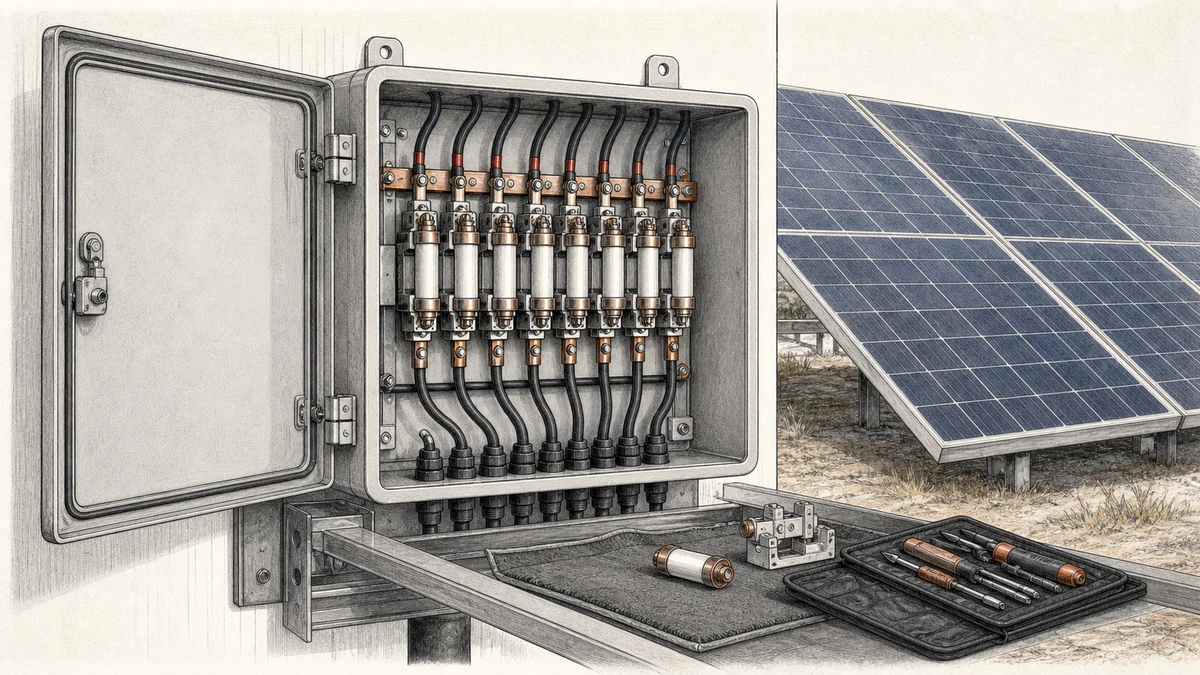
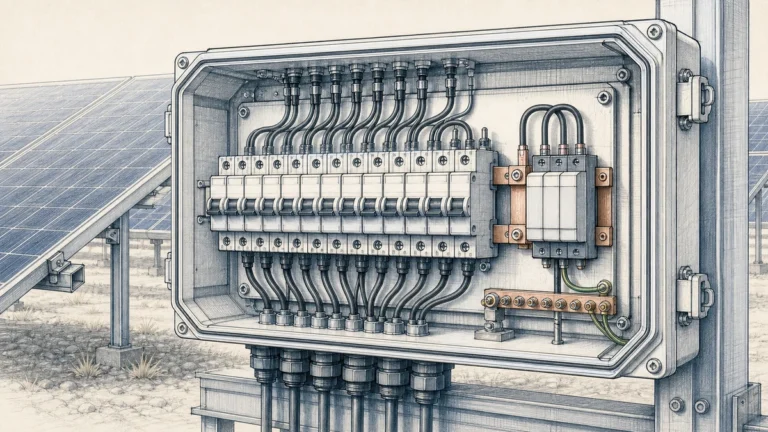
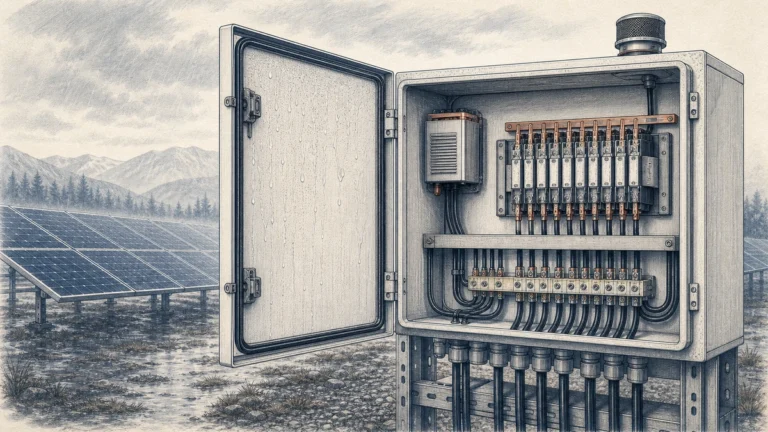
In a PV Combiner Box, the fuse holder is not just a mounting accessory for the fuse-link. It is part of the current path, the thermal system, and the maintenance interface. A poorly selected fuse holder can raise operating temperature, reduce fuse service life, complicate field replacement, or create avoidable downtime.
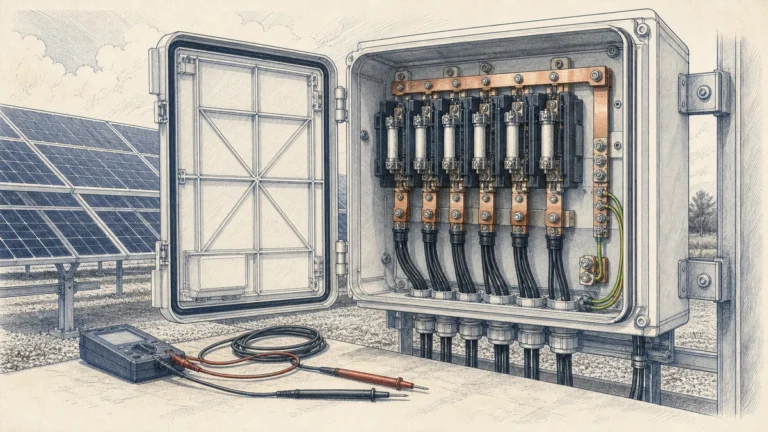
For Sinobreaker PV Combiner Box applications, selecting the right **pv combiner box fuse holder** means checking electrical ratings, DC breaking compatibility, enclosure temperature rise, fuse-link derating, wiring layout, and serviceability at the same time.
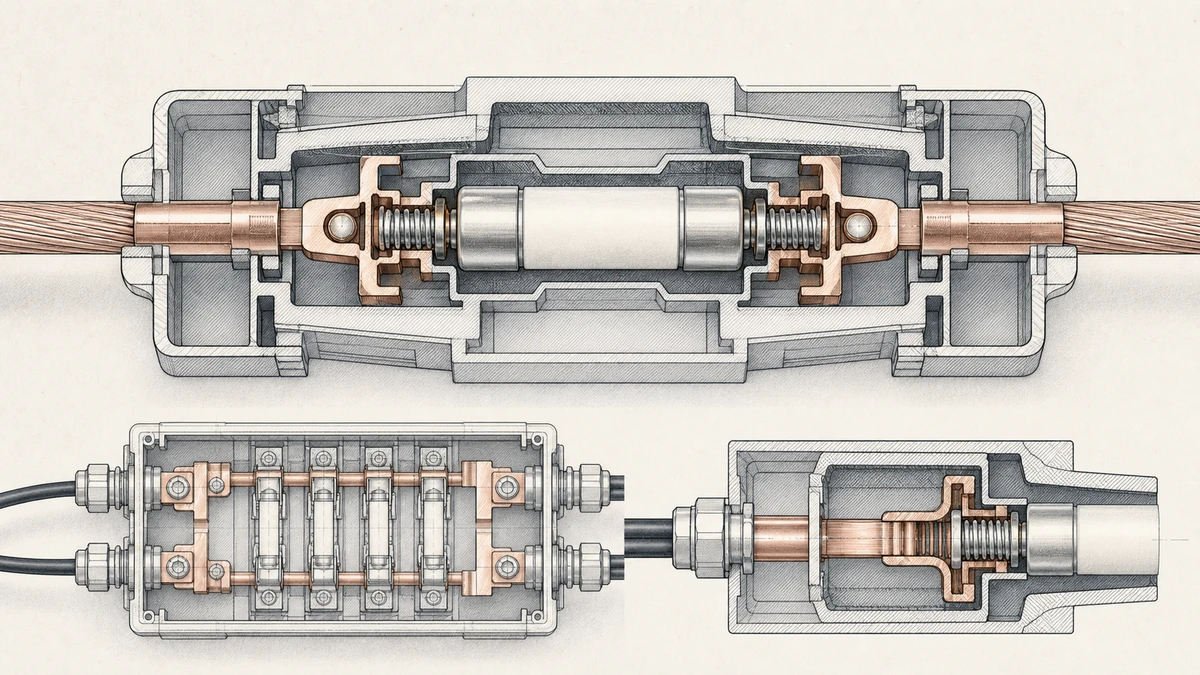
PV string circuits operate under long-duration DC current, outdoor temperature swings, and frequent high irradiance conditions. The fuse holder must remain stable under these conditions while supporting safe isolation and replacement procedures.
IEC 60269-6 provides supplementary requirements for fuse-links used to protect photovoltaic strings and arrays in circuits up to 1,500 V DC. This makes PV-specific fuse selection different from general low-voltage fuse selection. The holder chosen for a PV Combiner Box should therefore match the voltage class, fuse format, thermal environment, and expected maintenance process of the system.
A PV fuse-link generates heat during normal operation. That heat must pass through the fuse caps, clips, holder body, terminals, conductors, and surrounding air inside the enclosure. If the holder has high contact resistance, poor ventilation clearance, or undersized terminals, the fuse-link can operate hotter than expected.
For Sinobreaker PV Combiner Box design, the fuse holder should be evaluated as part of the complete assembly, not as an isolated component.
PV strings can deliver current for many hours under strong sunlight. Unlike some AC loads, the current profile may remain steady for long periods. This makes continuous thermal performance especially important.
A **pv combiner box fuse holder** should be selected with attention to:
A fuse holder must match the electrical design of the PV Combiner Box before thermal or maintenance factors are considered.
The holder and fuse-link must both be suitable for the maximum PV system voltage. For utility-scale and commercial PV systems, this often means 1,000 V DC or 1,500 V DC equipment.
The fuse holder should not be selected only by physical fuse size. The voltage rating, insulation spacing, creepage distance, and DC suitability must be checked against the combiner box specification.
PV fuse-links are designed for photovoltaic string and array protection. IEC 60269-6 addresses supplementary requirements for these fuse-links in PV applications. The holder should be compatible with the selected PV fuse-link format, such as cylindrical or NH-type fuse-links, depending on the combiner box design.
Compatibility checks should include:
The nameplate current rating of a fuse holder is usually based on defined test conditions. A PV Combiner Box may experience higher internal temperatures due to solar exposure, enclosure sealing, cable density, and heat from multiple fuse positions.
Manufacturer data for PV fuse-links often includes ambient-temperature derating information. This means the selected fuse current rating must be checked against the actual enclosure environment rather than only the nominal string current.
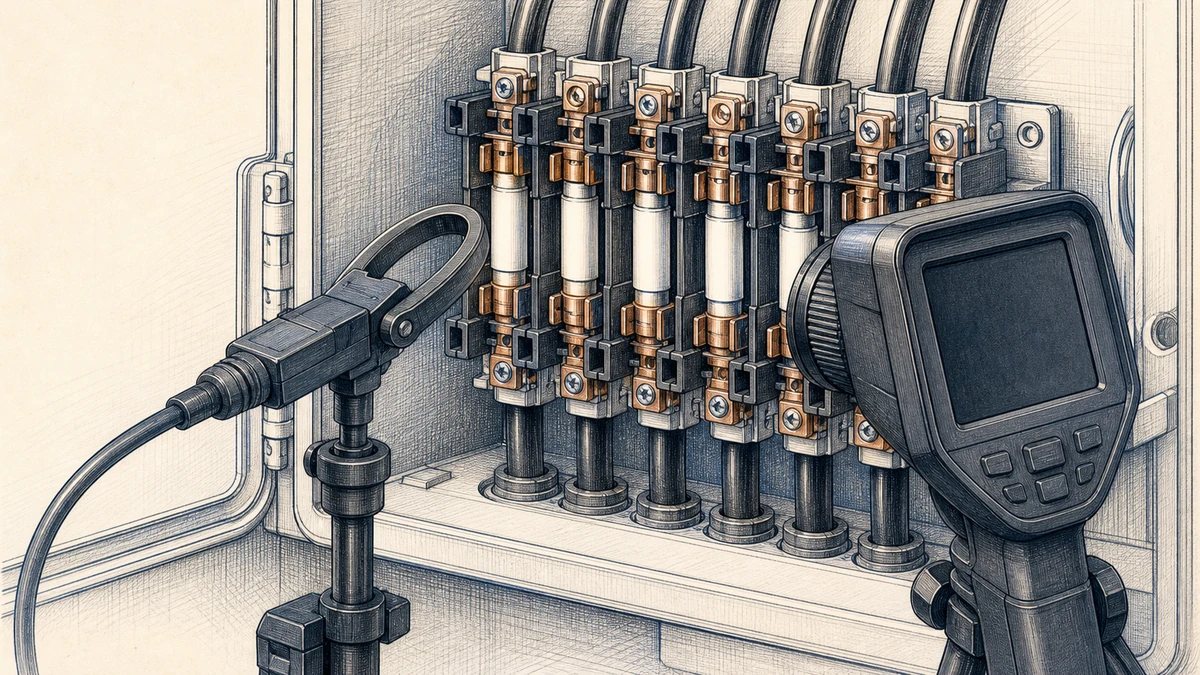
Thermal performance is one of the most important selection factors for a **pv combiner box fuse holder**. The enclosure, cable layout, number of strings, and operating climate all influence temperature rise.
Outdoor ambient temperature is only the starting point. The temperature around the fuse holder inside a closed PV Combiner Box can be higher because of:
A design that appears acceptable at 25°C may need derating at higher enclosure temperatures.
PV fuse-link manufacturers publish ambient-temperature derating information. When the enclosure temperature rises, the permissible current of the fuse-link may decrease. If derating is ignored, the fuse-link can age faster or operate closer to its limit during normal production.
For Sinobreaker PV Combiner Box configuration, fuse holder selection should consider:
Even a small increase in contact resistance can create localized heating. This can come from weak spring pressure, contamination, poor plating, loose terminals, or incorrect fuse installation.
A reliable fuse holder should maintain firm contact pressure over repeated heating and cooling cycles. In PV applications, where daily thermal cycling is common, this mechanical stability is essential.
A PV Combiner Box should be designed for safe inspection, troubleshooting, and fuse replacement. The fuse holder affects how quickly technicians can isolate faults and restore operation.
Fuse holders should be positioned so technicians can identify, test, and replace fuse-links without disturbing adjacent circuits. Crowded layouts can increase the chance of wiring damage or incorrect replacement.
Good serviceability includes:
In PV DC systems, safe maintenance depends on proper isolation procedures and equipment design. Fuse holders should support the intended service method, whether the system uses touch-safe holders, disconnect-type fuse holders, or fuse bases combined with external isolation.
The holder should help reduce accidental contact risk during maintenance. It should also prevent incorrect fuse seating, because incomplete insertion can cause overheating.
Serviceability is not limited to the holder itself. The combiner box documentation should specify the approved fuse-link type, current rating, voltage rating, and replacement procedure. This helps avoid field substitution with an unsuitable fuse.
For Sinobreaker PV Combiner Box projects, spare fuse lists should match the actual installed fuse holder and fuse-link combination.
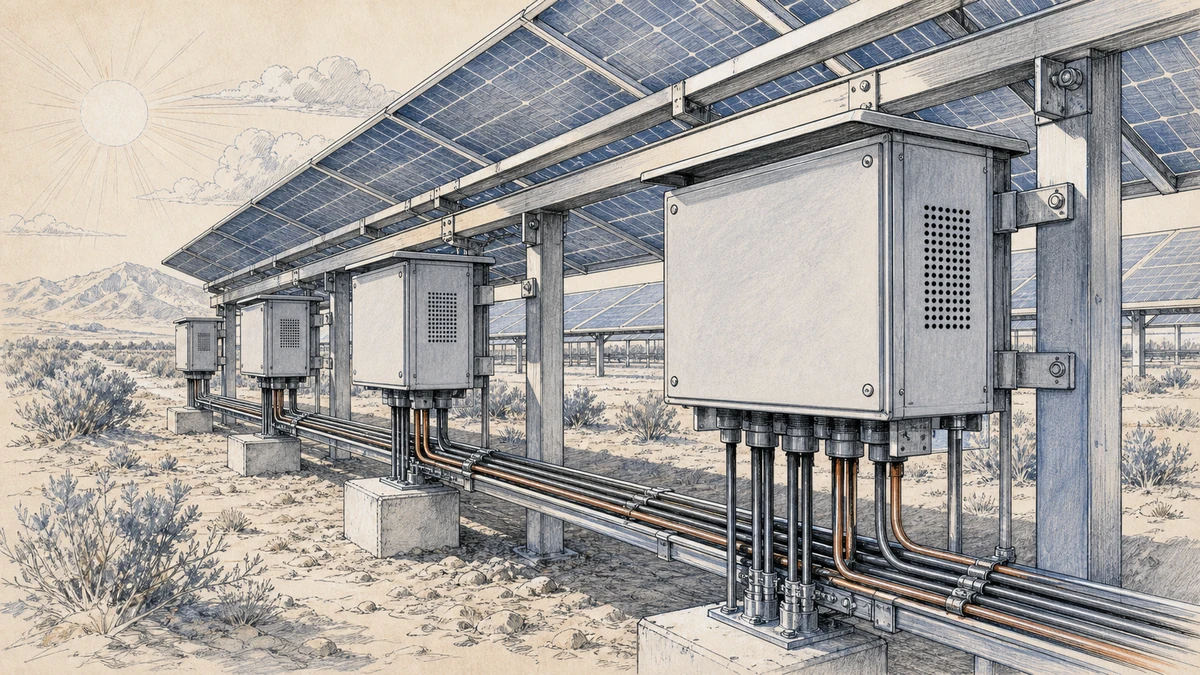
Different PV plants have different operating requirements. A fuse holder suitable for one combiner box may not be suitable for another if voltage, string current, altitude, temperature, or enclosure density changes.
The IEC application guide for low-voltage fuses includes PV-system protection and high-altitude application recommendations. At higher altitude, air density decreases, which can affect cooling and insulation performance.
For high-altitude PV Combiner Box installations, the fuse holder and enclosure design should be reviewed for:
The fuse holder terminal must match the conductor size used in the combiner box. Oversized conductors may not seat correctly in terminals not designed for them, while undersized conductors may increase temperature rise or reduce mechanical stability.
Terminal selection should verify:
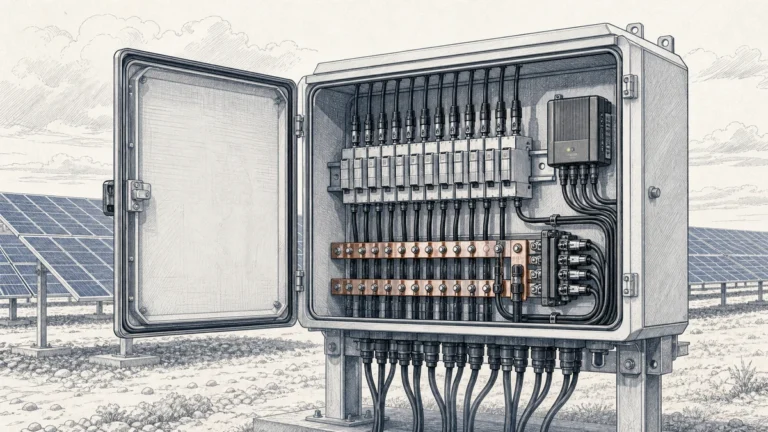
Fuse holders should not be placed without considering heat concentration. Multiple fuse positions installed tightly together can raise local temperature, especially in sealed outdoor enclosures.
Sinobreaker PV Combiner Box layouts should consider spacing, airflow paths, conductor bend radius, and separation from other heat-generating components such as surge protective devices, disconnect switches, and monitoring modules.
Use the following checklist when specifying a **pv combiner box fuse holder** for a Sinobreaker PV Combiner Box.
Confirm that the fuse holder:
Verify that the design accounts for:
Confirm that the installed design provides:
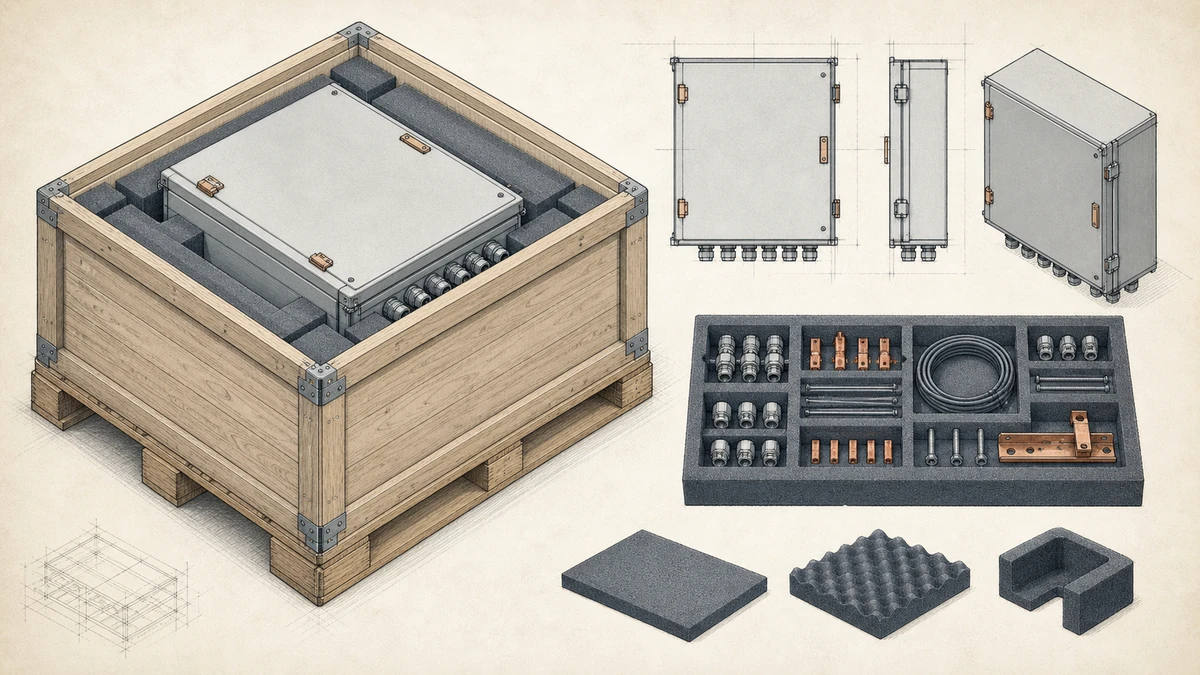
Selecting the fuse holder only by fuse size is one of the most common mistakes. In PV Combiner Box applications, physical fit is not enough.
A fuse holder and fuse-link may appear correctly rated at standard ambient temperature, but actual enclosure conditions can be much hotter. This can lead to nuisance operation, accelerated aging, or terminal discoloration.
PV string protection requires components suitable for photovoltaic DC circuits. Fuse-links covered by IEC 60269-6 address PV-specific requirements, and the holder should be chosen to support that application.
If fuse holders are blocked by wiring or mounted too close together, field replacement becomes slower and riskier. Serviceability should be designed into the combiner box from the beginning, not corrected after installation.
The most important factor is matching the holder, fuse-link, and actual operating environment. Voltage rating, current rating, PV fuse compatibility, enclosure temperature, and service access must all be checked together.
The holder and fuse-link should be evaluated under the actual enclosure temperature. PV fuse-link manufacturers publish ambient-temperature derating data, so the selected fuse rating should be checked against the expected internal temperature of the PV Combiner Box.
Not always. System voltage, string current, altitude, enclosure size, ambient temperature, cable size, and maintenance requirements can change from project to project. Sinobreaker PV Combiner Box selection should confirm that the fuse holder fits the specific electrical and thermal design.