주소
304 북쪽 추기경
세인트 도체스터 센터, MA 02124
근무 시간
월요일~금요일: 오전 7시~오후 7시
주말: 주말: 오전 10시 - 오후 5시
주소
304 북쪽 추기경
세인트 도체스터 센터, MA 02124
근무 시간
월요일~금요일: 오전 7시~오후 7시
주말: 주말: 오전 10시 - 오후 5시

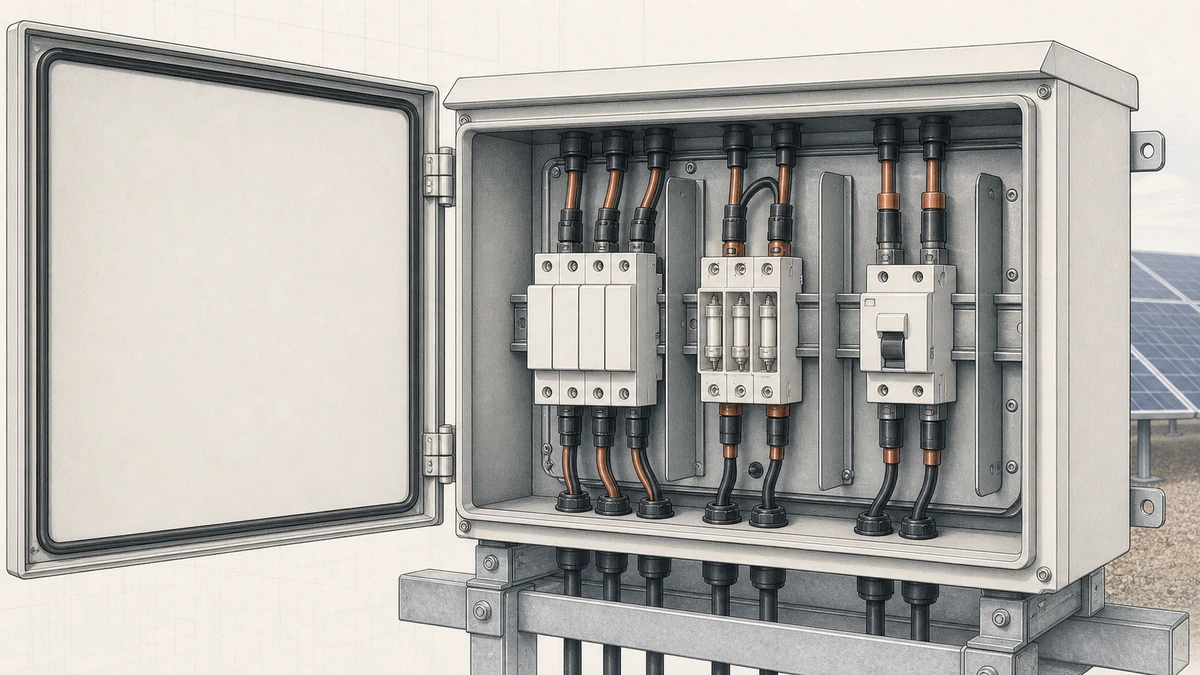
Correct **dc spd backup protection** is not a simple choice between “use a fuse” or “use a circuit breaker.” In photovoltaic and other DC systems, the backup protective device must be coordinated with the selected DC SPD, the available short-circuit current, the system voltage, the wiring topology, and the manufacturer’s installation instructions.
For Sinobreaker DC SPD applications, the safest selection method is to treat the SPD and its backup protection as one coordinated protection system. IEC 61643-32 defines the selection, installation, and coordination framework for SPDs in photovoltaic systems, which means backup protection must be handled as part of the complete DC SPD installation rather than as an isolated ampere rating decision.
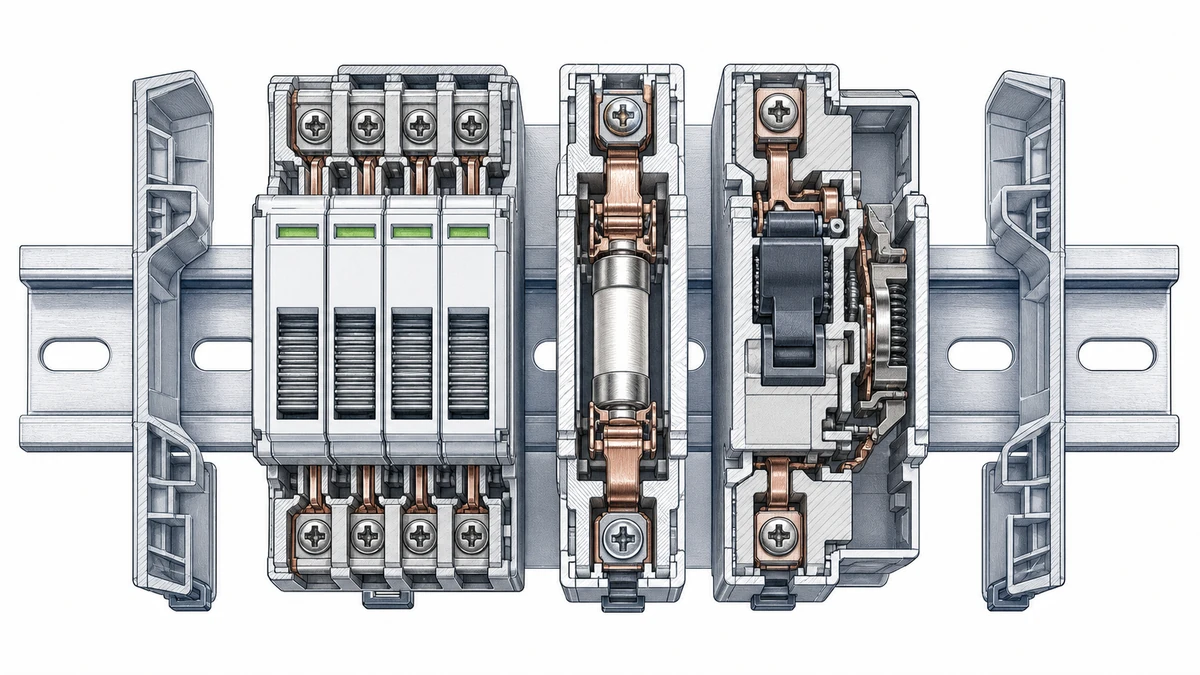
A DC surge protective device is designed to divert transient overvoltage caused by lightning activity, switching events, or induced surges. It is not intended to operate as a normal load current device. Under abnormal conditions, such as SPD end-of-life failure or internal short-circuit behavior, a properly selected upstream protective device helps disconnect the fault safely.
In DC systems, especially PV systems, this coordination is more demanding than in many AC installations because DC arcs are harder to extinguish and PV source current can continue as long as irradiance is present. This is why both the SPD rating and the backup fuse or circuit breaker must be suitable for DC voltage and DC interruption duty.
A common mistake is to assume the backup fuse or breaker “handles the surge.” In reality, the SPD handles the surge impulse. The backup protective device is mainly there to disconnect abnormal follow-current or fault current if the SPD reaches a fault condition.
This distinction matters because a backup fuse or breaker should not trip during normal surge discharge within the SPD’s rated performance, but it must operate safely if a persistent fault develops.
Any fuse or circuit breaker used for DC SPD backup protection must be rated for the actual DC system voltage and prospective fault current. An AC-rated breaker or fuse cannot be assumed suitable for DC service because DC current does not naturally pass through zero as AC current does.
For PV installations, confirm the protective device rating against the maximum open-circuit voltage, maximum short-circuit current, ambient temperature, and installation method.
The selected DC SPD must determine the backup protection requirements. Phoenix Contact explains that the SPD manufacturer specifies the maximum permitted nominal value of the overcurrent protective device in the technical documentation. This means a generic rule such as “always use a 32 A fuse” or “always use a breaker” is not a valid engineering method.
For Sinobreaker DC SPD selection, review the product datasheet and installation instructions before choosing the backup device.
For PV DC SPDs, the maximum continuous operating voltage is often marked as UCPV. This rating must be equal to or higher than the maximum DC voltage that can appear at the installation point.
If UCPV is too low, the SPD may conduct under normal operating voltage or become stressed prematurely. If the voltage rating is suitable, the SPD can remain stable during normal operation and respond only to transient overvoltage events.
DEHN identifies UCPV, discharge current, voltage protection level, and maximum short-circuit current ISCPV as relevant PV arrester selection criteria. It also states that the SPD’s ISCPV must exceed the maximum PV-system short-circuit current.
This is critical for dc spd backup protection because the SPD assembly must be suitable for the available short-circuit current at its installation point. If the available current is higher than the SPD’s declared capability, the backup device alone does not make the installation acceptable.
The SPD documentation may state a maximum fuse rating, a maximum circuit breaker rating, or a condition under which no additional branch backup fuse is required. This value is not interchangeable across SPD models.
Some PV SPD assemblies are documented with no external branch backup fuse required, while others have topology-specific limits. The selected SPD’s UCPV, ISCPV, permissible upstream protective device, wiring arrangement, and manufacturer instructions must govern the design.
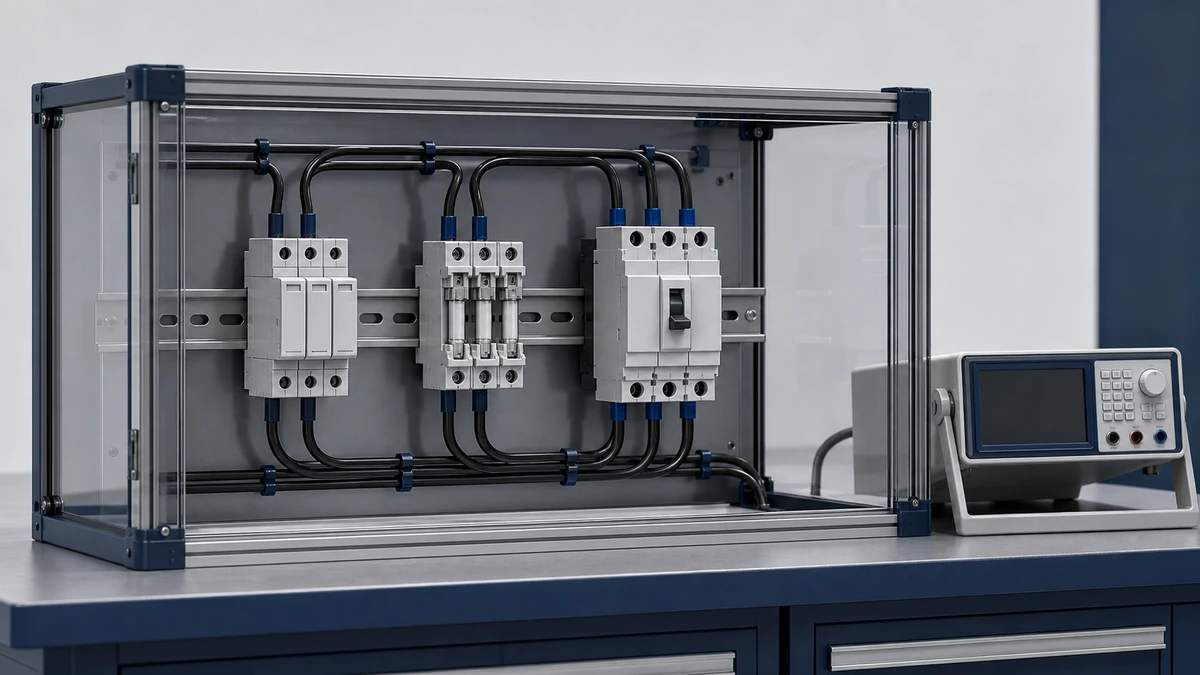
Both fuses and circuit breakers can be used for DC SPD backup protection when they are correctly rated and permitted by the SPD manufacturer. The right choice depends on the SPD documentation, the installation topology, maintenance preference, available fault current, and coordination requirements.
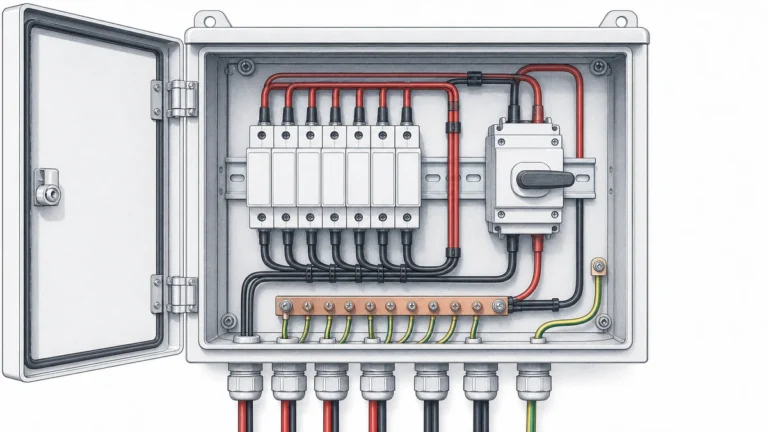
A DC fuse is often selected where high interrupting capacity, compact installation, and predictable current-limiting performance are required. In PV combiner boxes or DC distribution panels, string fuses or gPV fuses may already be part of the system architecture.
When using a fuse for SPD backup protection, verify:
A DC circuit breaker may be preferred where resettable operation, manual isolation, or easier maintenance access is important. However, the breaker must be suitable for DC use and for the specific system voltage and fault current.
When using a breaker, verify:
If the SPD datasheet specifies a fuse, do not automatically replace it with a breaker of the same ampere rating. Fuse and breaker behavior differs during fault current interruption, current limitation, let-through energy, and operating time.
Likewise, if the SPD manufacturer specifies a maximum circuit breaker rating, do not assume that a fuse of the same nominal value provides equivalent protection unless the documentation allows it.
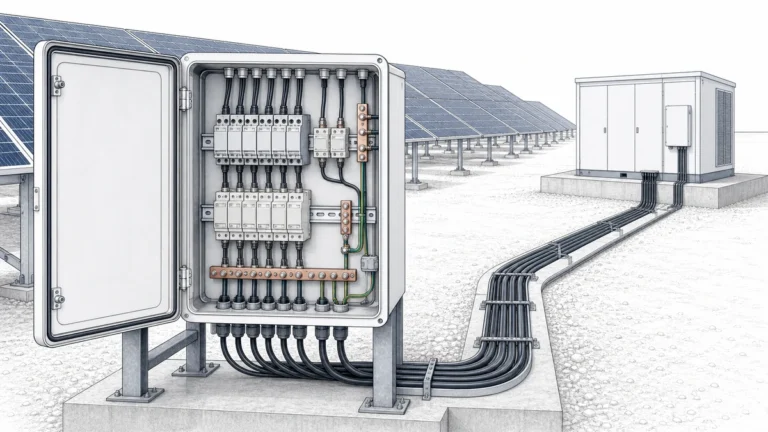
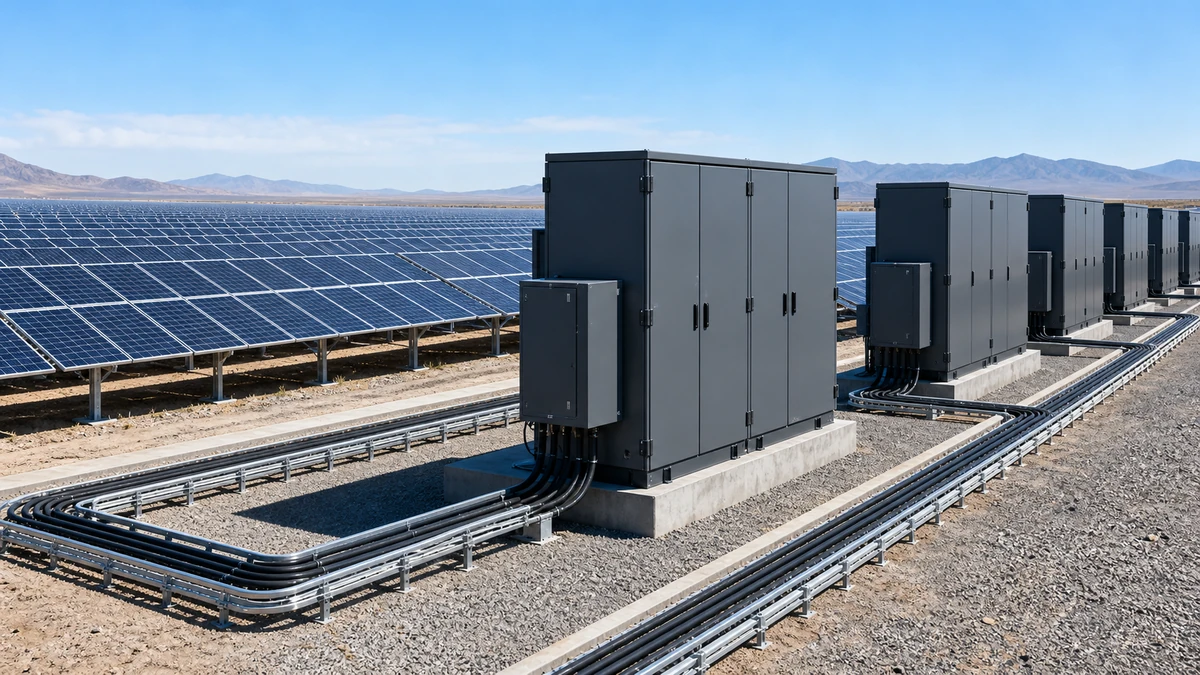
PV systems create special requirements because current sources are distributed across strings, arrays, combiner boxes, inverters, and battery-linked DC buses. The SPD backup protection must be evaluated at the actual installation point.
The available short-circuit current depends on the number of parallel strings, module short-circuit current, irradiance conditions, temperature correction, and system layout. In larger PV arrays, current contribution from parallel strings can be significant.
The SPD’s declared ISCPV must exceed the maximum PV-system short-circuit current at the SPD location. If it does not, select a different SPD or redesign the protective arrangement.
In some installations, an upstream fuse or breaker may already provide the required backup protection. In others, the SPD branch may need its own dedicated backup fuse or breaker.
The deciding factor is not preference. It is whether the upstream protective device matches the SPD manufacturer’s permitted value and whether the wiring arrangement provides effective fault disconnection.
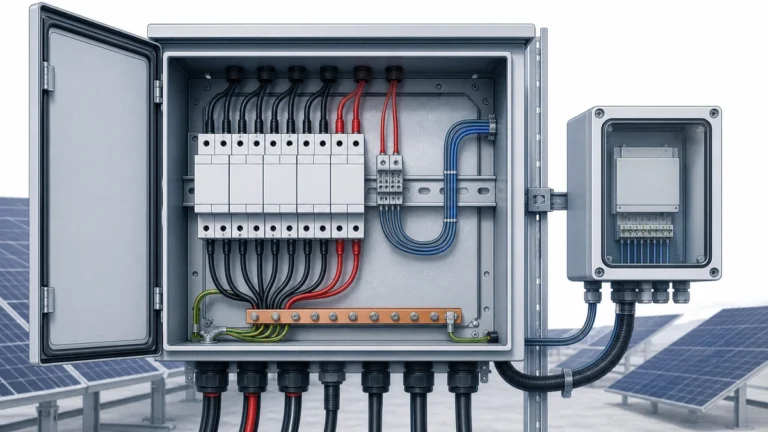
SPDs may be connected between positive and negative conductors, positive and earth, negative and earth, or through a multi-pole protection module. The backup protection requirement can vary depending on this topology.
For floating, grounded, or functionally earthed DC systems, confirm the correct SPD mode of protection and the correct backup device placement.
A reliable selection process reduces the risk of under-protection, nuisance operation, or unsafe fault interruption.
Identify the maximum possible DC voltage, not only the nominal voltage. For PV systems, this includes cold-temperature open-circuit voltage correction. Select a DC SPD with suitable UCPV or maximum continuous operating voltage.
Calculate or verify the maximum short-circuit current at the SPD installation point. Compare this value with the SPD’s ISCPV or declared short-circuit current capability.
The SPD rating must be greater than the maximum available short-circuit current.
Check the Sinobreaker DC SPD datasheet and installation manual for the maximum permitted upstream fuse or circuit breaker. If the documentation states that no external backup fuse is required under specific conditions, confirm that the installation actually meets those conditions.
Choose a DC-rated fuse or DC-rated circuit breaker only if it is allowed by the SPD documentation. Confirm voltage rating, interrupting capacity, nominal current, pole arrangement, and installation environment.
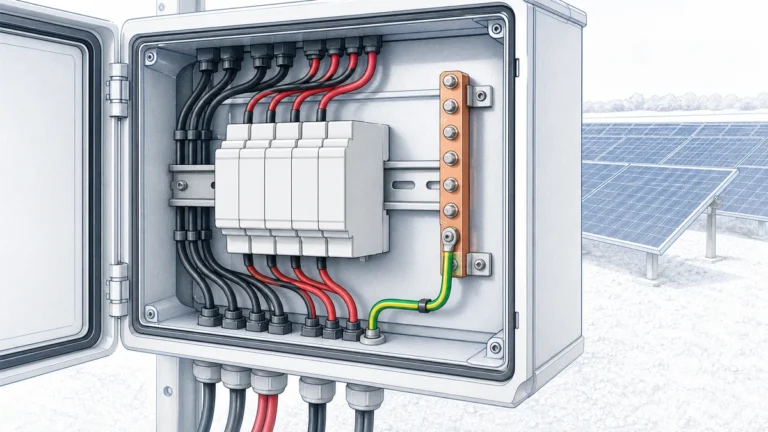
Check conductor length, cross-section, routing, earthing, and connection method. Poor wiring can increase residual voltage and reduce the effectiveness of the SPD even if the fuse or breaker is correctly selected.
Many DC SPD backup protection problems come from treating the backup device as a generic accessory instead of a coordinated part of the protection system.
The nominal current of the fuse or breaker is not enough. The device must also match DC voltage, breaking capacity, SPD manufacturer limits, and system short-circuit current.
If the SPD manufacturer gives a maximum upstream protective device value, that value must not be exceeded. Oversizing the backup device can prevent safe disconnection during SPD fault conditions.
Some SPD assemblies are designed and documented so that no additional external branch backup fuse is required. However, that condition is product-specific and topology-specific. It cannot be applied to all DC SPDs.
An AC breaker may fail to interrupt a DC fault safely. Always use protective devices with appropriate DC ratings and installation instructions.
For project documentation, a clear specification helps avoid incorrect substitutions.
Example wording:
“markdown“
The DC SPD shall be selected according to IEC 61643-32 principles for PV SPD installation and coordination. The SPD UCPV shall be suitable for the maximum DC system voltage, and the SPD ISCPV shall exceed the maximum available short-circuit current at the installation point. Any upstream fuse or circuit breaker used for dc spd backup protection shall not exceed the maximum value permitted by the SPD manufacturer and shall be rated for the applicable DC voltage and interrupting capacity.
This wording keeps responsibility tied to the actual SPD data rather than a generic fuse or breaker value.
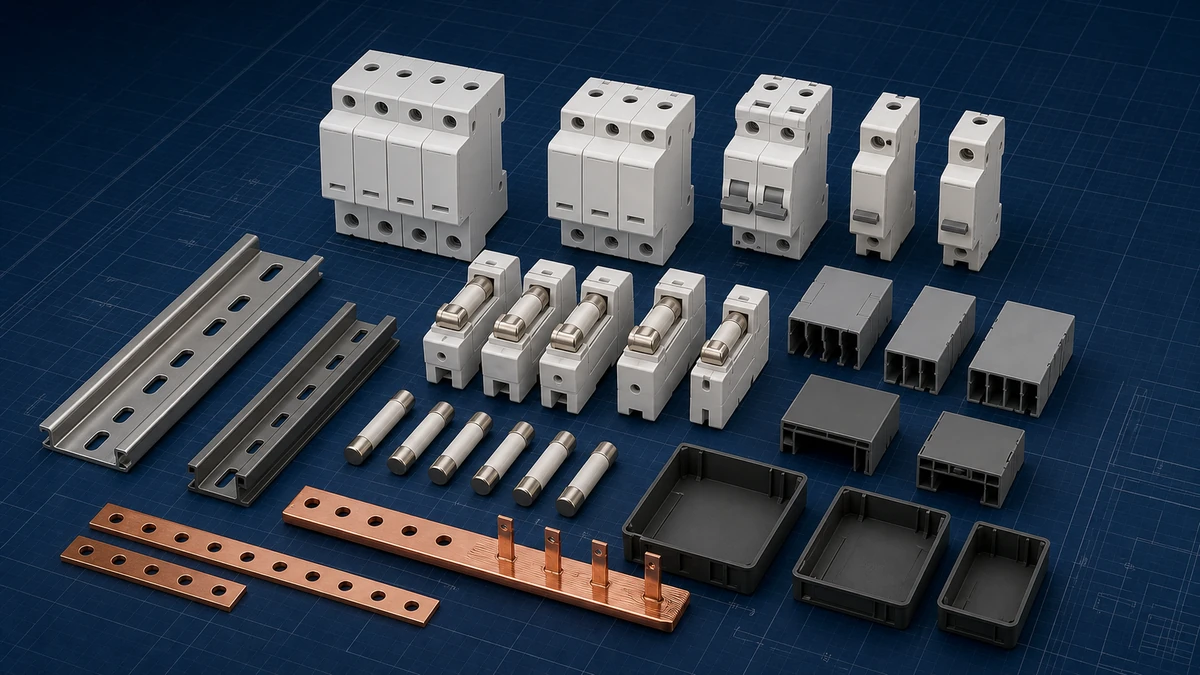
Before commissioning a Sinobreaker DC SPD installation, confirm the following:
DC SPD backup protection is the coordinated use of an upstream fuse or circuit breaker to disconnect abnormal fault current associated with a DC surge protective device. The SPD handles transient surge energy, while the backup protective device helps isolate persistent fault conditions if required by the SPD design and installation instructions.
Only if the selected fuse or circuit breaker is allowed by the SPD manufacturer and is correctly rated for the DC system. A fuse and breaker with the same ampere rating are not automatically equivalent because they differ in breaking behavior, current limitation, and let-through energy.
No external backup fuse is required only when the specific SPD assembly is documented for that condition and the installation matches the stated limits. The decision must be based on the SPD’s UCPV, ISCPV, permitted upstream protection, wiring topology, and manufacturer instructions.