Endereço
304 North Cardinal
St. Dorchester Center, MA 02124
Horas de trabalho
De segunda a sexta-feira: das 7h às 19h
Fim de semana: 10:00 - 17:00
Endereço
304 North Cardinal
St. Dorchester Center, MA 02124
Horas de trabalho
De segunda a sexta-feira: das 7h às 19h
Fim de semana: 10:00 - 17:00

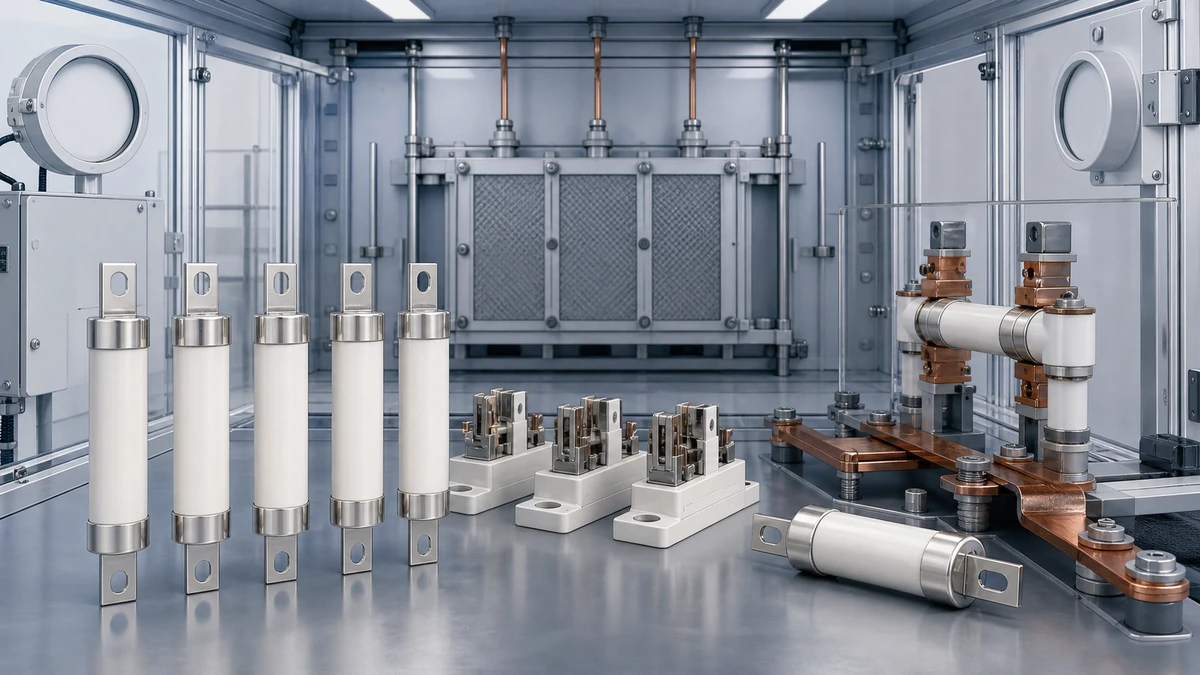
For international photovoltaic projects, DC fuse compliance is not just a datasheet checkbox. A gPV fuse-link may be acceptable in one market, incomplete for another, or referenced by an outdated standard name in equipment documentation. That is why the comparison of **iec 60269-6 vs ul 2579** matters for EPC teams, OEM panel builders, distributors, and procurement engineers.
IEC 60269-6 is the IEC photovoltaic fuse-link product standard used with IEC 60269-1. In the UL system, however, project teams must be careful: UL’s current public photovoltaic fuse standard page identifies UL 248-19 as the active PV fuse standard, while some equipment documentation may still reference UL 2579. For DC fuse selection, the safest approach is to verify the exact standard, edition, listing record, marked ratings, and compatible holder or switch documentation.
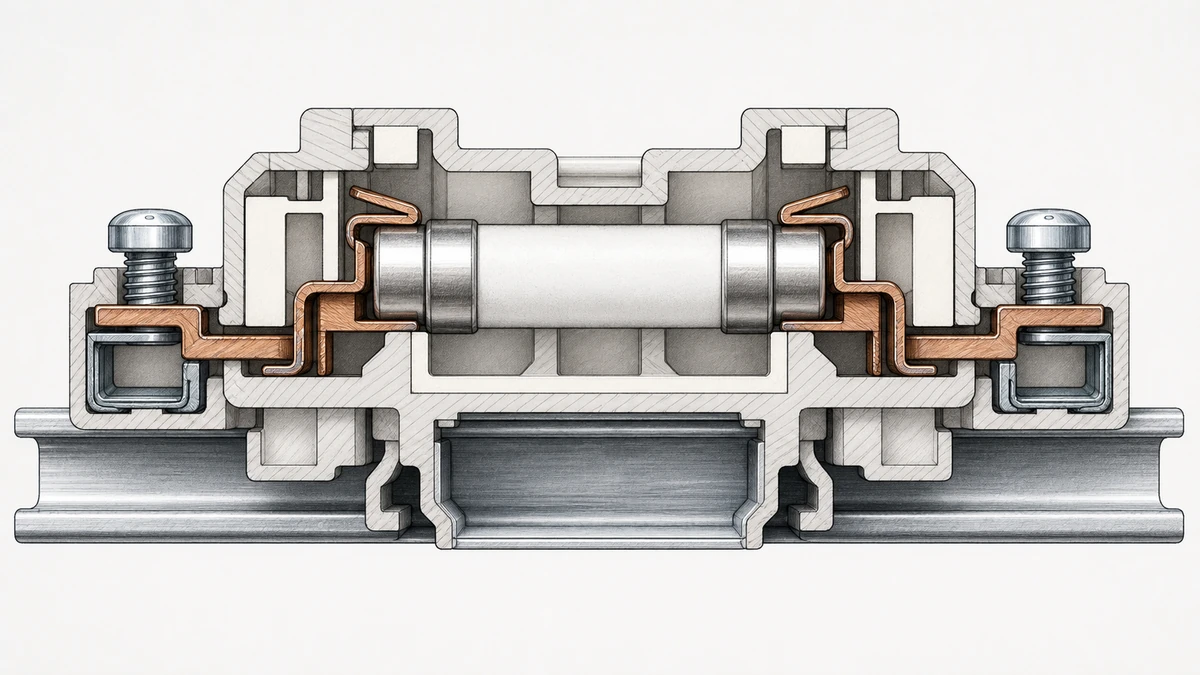
Photovoltaic DC circuits create operating conditions that are different from conventional AC distribution circuits. PV strings and arrays can produce sustained DC fault current, and the available current may be relatively low compared with other power systems. A fuse used in this environment must interrupt DC faults reliably within its marked voltage, current, and time-current performance limits.
The confusion often appears when one project has IEC specifications, another has North American listing requirements, and a third uses equipment documentation that still contains older UL terminology.
IEC and UL standards are built for different certification ecosystems. A fuse-link designed and tested under IEC 60269-6 is not automatically accepted as a UL-listed PV fuse. Likewise, a UL-listed PV fuse is not automatically proof of compliance with IEC 60269-6 unless it has also been tested and certified accordingly.
For Sinobreaker DC Fuse selection, this means the compliance conversation should begin with the project location, system voltage, equipment certification path, and authority having jurisdiction.
A phrase such as “PV fuse compliant” is not precise enough for international procurement. Buyers should ask for the standard designation, edition, certification or listing record, fuse-link marking, rated voltage, rated current, utilization category, interrupting rating, and compatible fuse holder or switch documentation.
This is especially important where documents refer to UL 2579. That reference may appear in equipment-related material, but current UL photovoltaic fuse purchasing and compliance checks should not stop at that name.
IEC 60269-6 provides supplementary requirements for fuse-links used to protect photovoltaic strings and arrays. It is used together with IEC 60269-1 and applies to fuse-links for equipment in circuits up to 1,500 V DC, according to IEC’s published description.
IEC 60269-6 focuses on the PV application of low-voltage fuse-links. In practical terms, it addresses the special requirements needed for PV string and array protection, including DC operation and the gPV utilization category.
For international projects using IEC-based specifications, the expected evidence usually includes:
IEC TR 60269-5 is application guidance for low-voltage fuses made to the IEC 60269 series. It includes recommendations for photovoltaic protection, but it is not a replacement for the product test standard or the project code of practice.
That distinction matters. IEC TR 60269-5 can help engineers apply fuses correctly, but compliance should still be based on the relevant product standard, such as IEC 60269-6 for gPV fuse-links, plus any local installation rules.
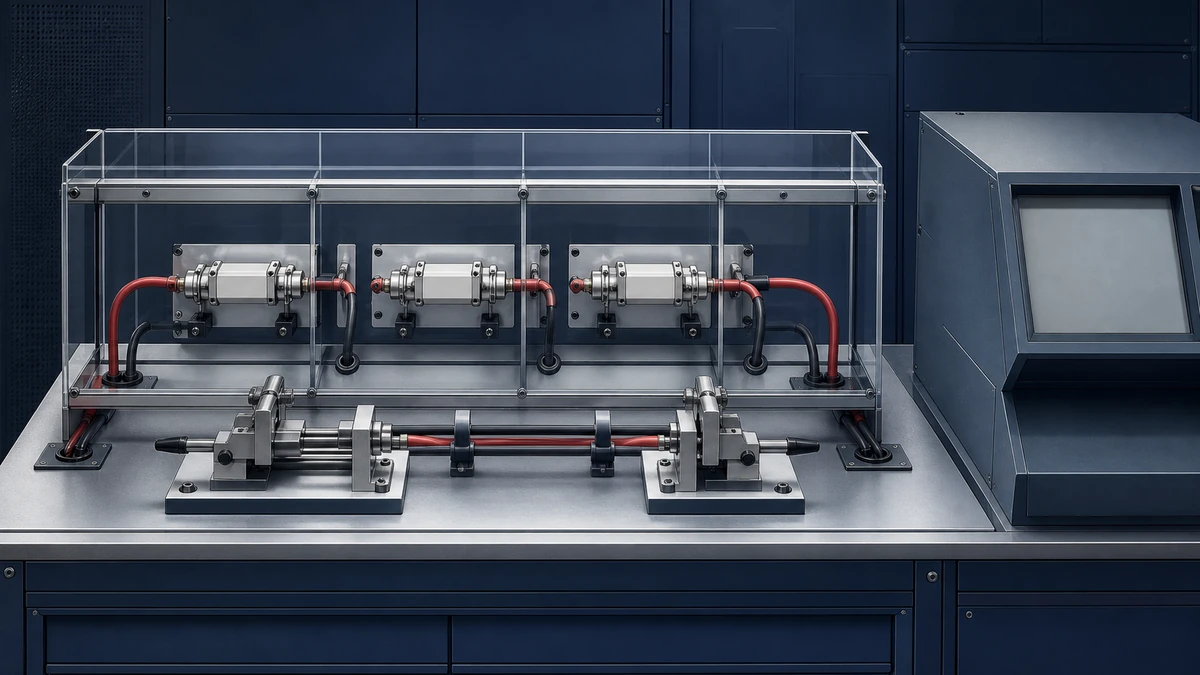
The term “UL 2579” still appears in some photovoltaic equipment documentation. For example, UL 98B material states that PV fusible switches use fuses complying with UL 2579. However, UL’s current public PV fuse standard page identifies UL 248-19 as the active photovoltaic fuse standard.
Standards references can remain in equipment literature, procurement templates, legacy specifications, or switch documentation after the active fuse standard path has changed. This does not mean the fuse is automatically accepted under the current listing structure.
For this reason, procurement should not assume that a label, catalog phrase, or legacy reference equals current UL photovoltaic fuse compliance.
UL 248-19 covers photovoltaic fuses for strings or arrays and associated wiring within their marked ratings. UL’s public standard information also indicates a 2024 revision expanding the stated system-voltage scope to 2,000 V DC.
For North American projects, the practical question is therefore not simply “Is it UL 2579?” A better question is: “What is the exact UL standard designation, edition, listing record, voltage rating, current rating, and compatible equipment documentation for this DC fuse?”
When a project specification mentions UL 2579, the purchasing team should request documentary proof instead of relying on the wording alone. Key checks include:
The difference between IEC 60269-6 and UL 2579 is not only technical. It affects submittals, inspections, acceptance testing, and replacement parts.
IEC-based solar projects commonly specify gPV fuse-links according to IEC 60269-6, used with IEC 60269-1. These projects may be located in Europe, Asia, the Middle East, Africa, Latin America, or other regions where IEC standards form the basis of electrical product acceptance.
For these projects, a Sinobreaker DC Fuse selection should be checked against the required IEC rating, system voltage, string current, short-circuit current, ambient temperature, and holder compatibility.
UL-based projects usually require listed components that match the project code, equipment listing, and authority having jurisdiction. If the equipment documentation refers to UL 2579, buyers should still verify the active UL photovoltaic fuse listing information and confirm whether UL 248-19 is the applicable standard designation for the fuse.
A fuse that is technically suitable for DC interruption may still be rejected if its listing evidence does not match the project requirements.
Many international projects combine IEC-designed equipment, UL-recognized components, local grid rules, and customer-specific documentation. In these cases, the compliance matrix should be created before purchasing.
A practical compliance matrix should show:
| Requirement | IEC Route | UL Route | Procurement Check |
|—|—|—|—|
| PV fuse product standard | IEC 60269-6 with IEC 60269-1 | Verify current UL PV fuse standard designation, commonly UL 248-19 | Ask for certificate or listing record |
| Application guidance | IEC TR 60269-5 may support selection | Equipment listing and installation code guide acceptance | Do not treat guidance as product certification |
| Voltage scope | Up to 1,500 V DC under IEC 60269-6 description | UL 248-19 public information includes 2024 scope to 2,000 V DC | Match marked fuse rating to system voltage |
| Equipment compatibility | Fuse holder must be suitable | Holder, switch, or combiner documentation must allow the fuse | Verify both fuse and equipment records |
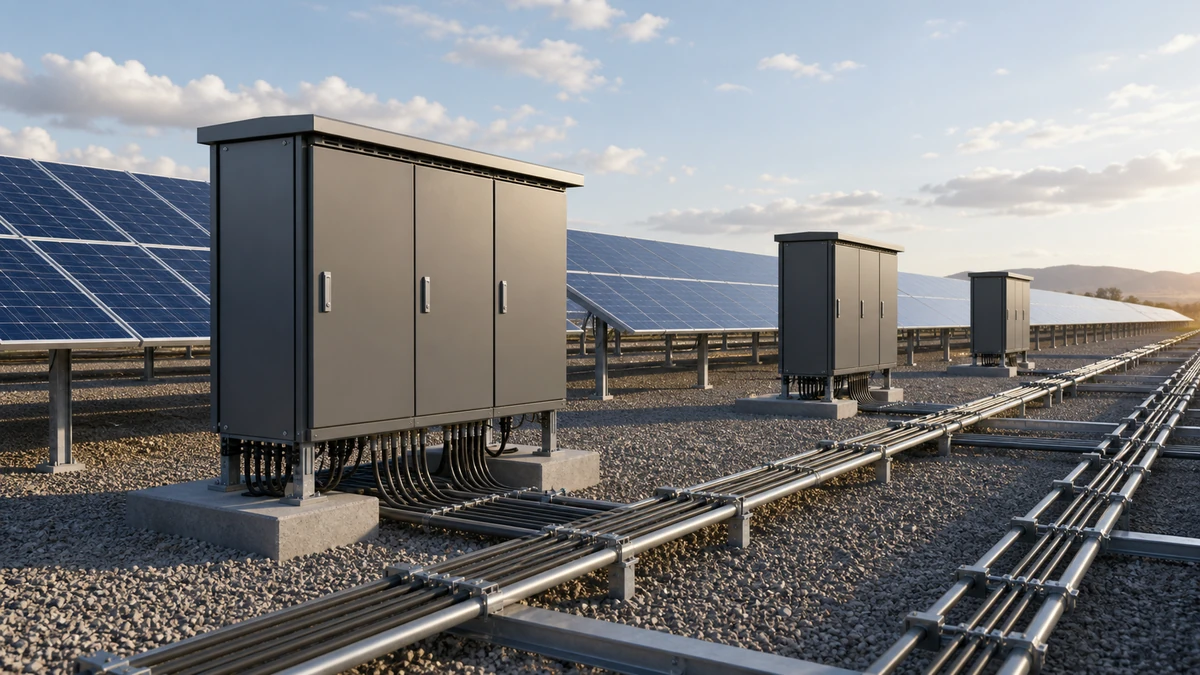
A correct standard reference does not replace engineering selection. The DC fuse must also match the electrical and environmental conditions of the photovoltaic system.
The fuse voltage rating must be equal to or greater than the maximum DC system voltage. For IEC-based projects, 1,500 V DC systems are common in utility-scale PV. For UL-based projects, check the current listed voltage scope, the fuse marking, and the equipment listing.
The fuse rated current must be selected based on string operating current, continuous loading, ambient temperature, enclosure temperature, and applicable derating rules. Oversizing can reduce protection sensitivity, while undersizing can cause nuisance operation.
PV fault current can be limited but persistent. The fuse must have an interrupting rating suitable for the maximum available fault current in the circuit and must be tested for DC interruption within the relevant standard.
A compliant fuse-link installed in an unsuitable holder can create a non-compliant assembly. Always verify that the holder, disconnect, combiner box, or fusible switch documentation permits the exact fuse type, size, rating, and standard path.
The installed fuse must be identifiable in the field. Markings should support future replacement with the correct DC fuse type. For O&M teams, the replacement instruction should list the standard, rated voltage, rated current, fuse size, and approved alternatives.
For Sinobreaker DC Fuse applications, a structured compliance workflow reduces the risk of rejected submittals or delayed commissioning.
Confirm whether the project follows IEC, UL, or mixed compliance requirements. Check the project specification, inverter documentation, combiner box certification, switch documentation, and local authority requirements.
For IEC projects, verify IEC 60269-6 with IEC 60269-1. For UL-based projects, do not rely only on the phrase UL 2579. Ask whether the photovoltaic fuse is certified or listed to the current applicable UL standard, including UL 248-19 where required.
Check the fuse-link rating against:
Fuse compliance is only part of the approval package. The fuse holder, switch, disconnect, or combiner box must also be rated and documented for the chosen fuse.
Store certificates, listing records, datasheets, installation instructions, and replacement fuse references in the project handover file. This helps inspectors, asset owners, and maintenance teams avoid non-approved substitutions.
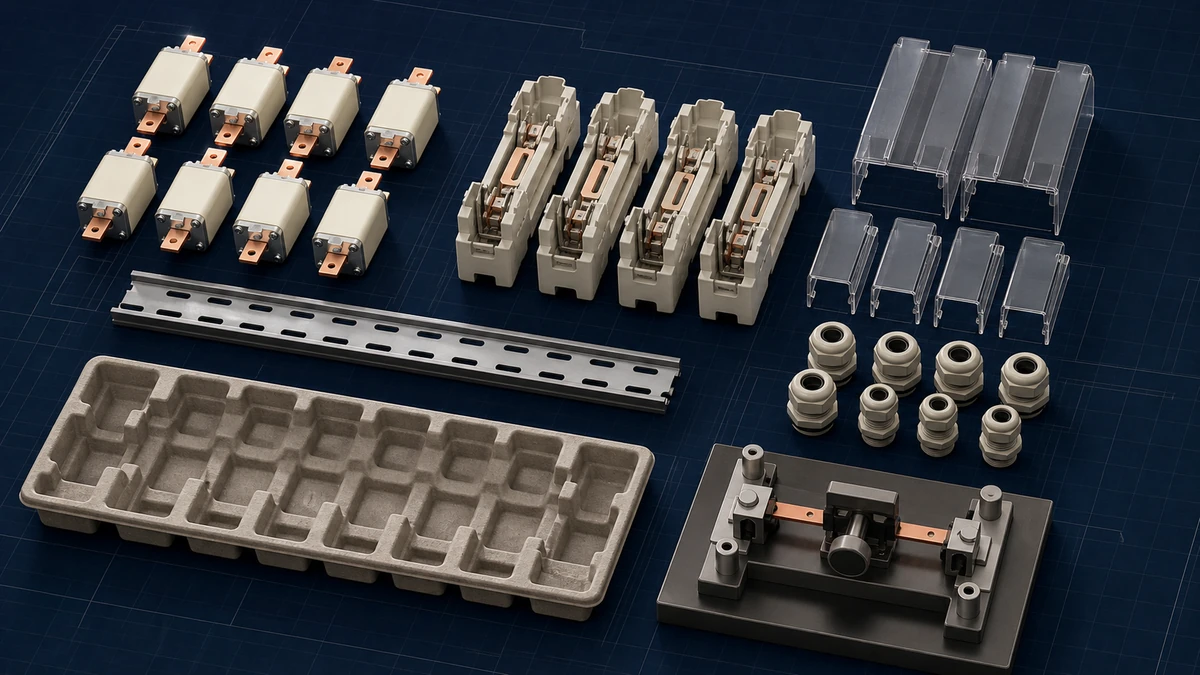
International PV specifications often copy language from previous projects. This can create conflicts when old terminology, new equipment listings, and local code requirements meet in one procurement package.
This phrase is too broad unless the project defines what “equivalent” means. A better specification asks for the exact current UL photovoltaic fuse standard designation, listing evidence, marked ratings, and compatible equipment documentation.
IEC gPV classification alone does not confirm suitability. The specification should include voltage, current, breaking capacity, fuse size, holder compatibility, and environmental assumptions.
A fuse used successfully in an IEC project may need additional listing evidence for a UL-based project. Conversely, a UL-listed fuse may still need IEC evidence if the project specification requires IEC 60269-6.
No. IEC 60269-6 is an IEC standard providing supplementary requirements for photovoltaic fuse-links used with IEC 60269-1. UL 2579 is a UL reference that may still appear in equipment documentation, but UL’s current public PV fuse page identifies UL 248-19 as the active photovoltaic fuse standard.
No. IEC TR 60269-5 is application guidance for low-voltage fuses made to the IEC 60269 series and includes photovoltaic-protection recommendations. It does not replace the product test standard, project specification, or local code of practice.
Ask for the exact standard designation and edition, certification or listing record, fuse-link markings, DC voltage rating, current rating, interrupting rating, utilization category where applicable, and compatible fuse holder or switch documentation. This is the safest way to manage iec 60269-6 vs ul 2579 requirements without relying on unclear labels.