Adresse
304 Nord Kardinal
St. Dorchester Center, MA 02124
Arbeitszeiten
Montag bis Freitag: 7AM - 7PM
Am Wochenende: 10AM - 5PM
Adresse
304 Nord Kardinal
St. Dorchester Center, MA 02124
Arbeitszeiten
Montag bis Freitag: 7AM - 7PM
Am Wochenende: 10AM - 5PM

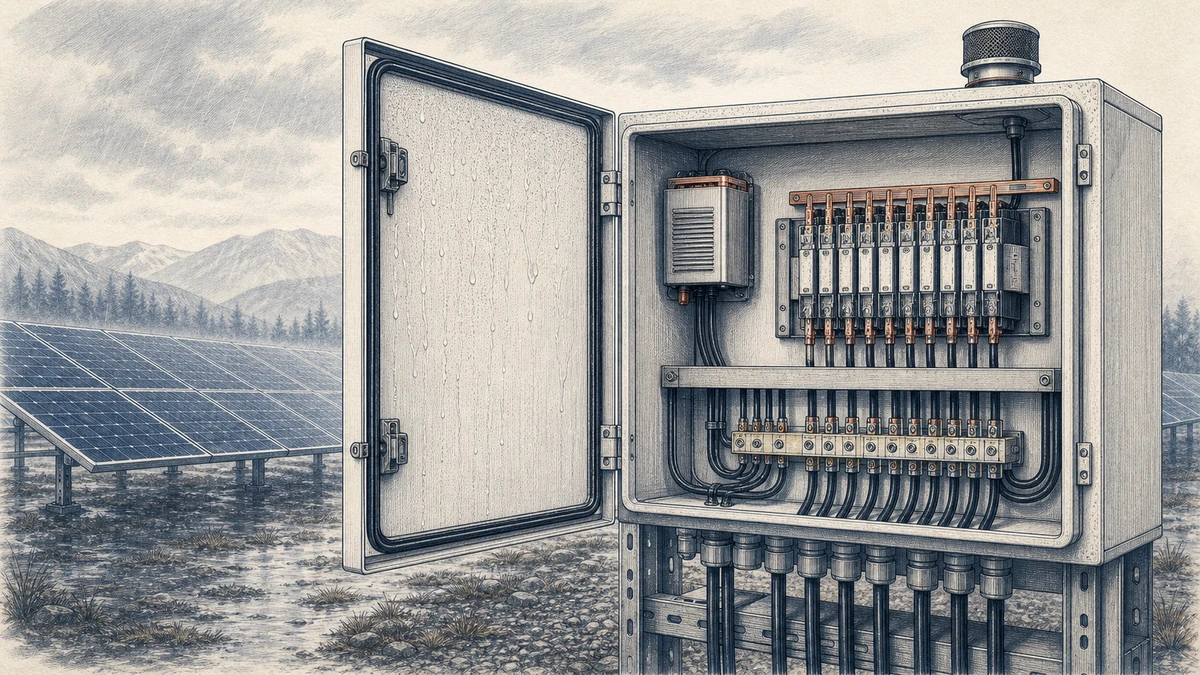
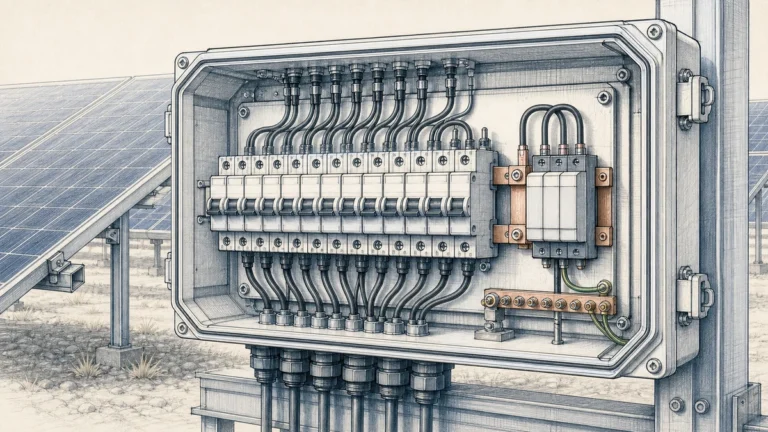
Condensation inside a PV combiner box is not just a cosmetic issue. In solar PV sites, moisture can accelerate terminal corrosion, reduce insulation performance, contaminate surge protection devices, and increase the risk of tracking or short circuits. Because a PV combiner box usually operates outdoors, it experiences daily heating from solar exposure, cooling after sunset, wind-driven rain, and seasonal humidity changes. These conditions make **pv combiner box condensation** a practical design concern.
For Sinobreaker PV Combiner Box applications, condensation control should be treated as a system issue: enclosure sealing, pressure equalization, internal heat management, cable entry layout, drainage strategy, and optional anti-condensation heaters all need to work together.
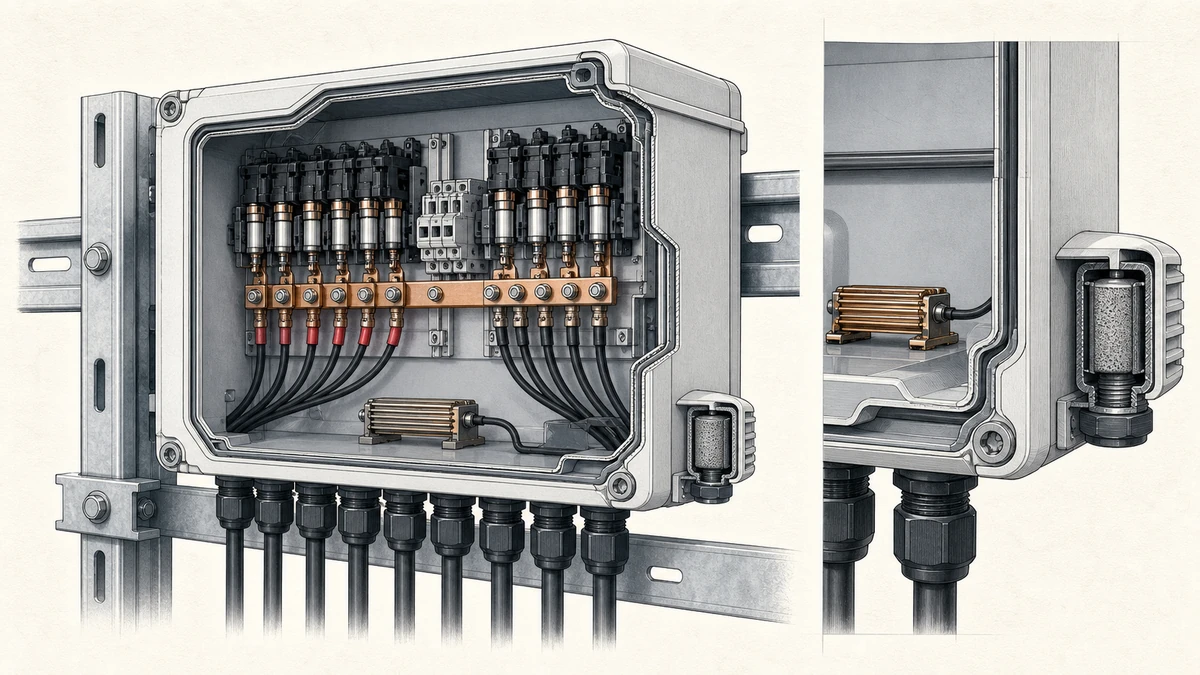
Condensation occurs when warm, moisture-laden air contacts a surface that is colder than the air’s dew point. In a PV installation, this can happen when the combiner box warms during the day, draws in humid air, and then cools rapidly at night. Metal terminals, busbars, DIN rails, fuse holders, and the enclosure wall can become cold enough for water droplets to form.
A PV combiner box may appear sealed, but small pressure changes can still move air through cable glands, door seals, vent openings, and microscopic gaps. When that air contains moisture, repeated thermal cycling can gradually increase the internal humidity level.
During the day, solar radiation can heat the enclosure. At night, the enclosure cools, often faster than the internal components. If humid air is trapped inside, water vapor can condense on the coldest surfaces first.
In many outdoor PV fields, this cycle repeats every 24 hours. Even a small amount of moisture can become a long-term reliability problem when the box contains DC circuits, fuses, surge protective devices, monitoring modules, and metallic connection points.
High relative humidity is not the same as visible water, but it creates the conditions for condensation. When temperature falls, the air can hold less water vapor. If the temperature drops below the dew point, moisture changes from vapor to liquid.
For a Sinobreaker PV Combiner Box, the design goal is not only to block rainwater but also to reduce the chance that internal surfaces fall below dew point while humid air is present.
Breather vents, also called ventilation plugs or pressure compensation devices, help reduce pressure differences between the inside and outside of the enclosure. When correctly selected and installed, they can reduce the pumping effect caused by temperature swings.
A pressure equalization breather does not “dry” the enclosure by itself. Its role is to reduce uncontrolled air exchange through vulnerable points, such as cable entries or door seals. Some breather designs also include membranes that resist liquid water ingress while allowing vapor diffusion.
Breathers are especially useful when the enclosure is tightly sealed and exposed to large temperature changes. Without pressure compensation, warming and cooling cycles can force air in and out through any weak sealing point. This can pull humid air through cable glands or around the door gasket.
For PV combiner boxes installed in coastal, agricultural, mountain, or high-humidity sites, breathers can help stabilize enclosure pressure and reduce moisture accumulation.
Breathers should be placed where they can perform without being blocked by wiring, dust buildup, or direct water flow. In many layouts, a lower side position is preferred for pressure equalization, while avoiding locations where standing water, splash, or cable congestion can interfere.
For Sinobreaker PV Combiner Box layouts, breather placement should consider:
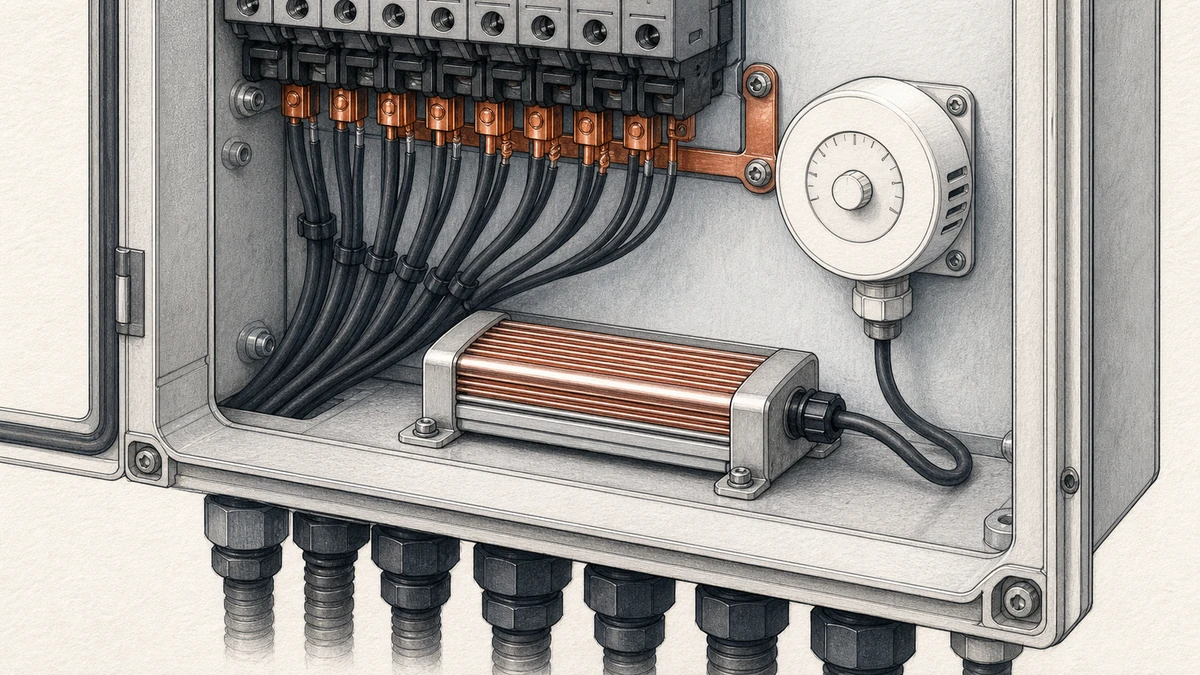
Enclosure resistance heaters are commonly used to prevent condensation in cabinets exposed to high humidity, cold temperatures, or frequent temperature changes. Their purpose is not to heat the PV system for power generation. Instead, they keep the internal air and surfaces slightly warmer so the enclosure does not drop below dew point.
In a PV combiner box, an anti-condensation heater may be considered when passive measures alone are not enough.
A heater raises the internal temperature enough to lower relative humidity and reduce dew point crossing. By keeping metal surfaces warmer, it helps prevent water droplets from forming on terminals, busbars, fuse bases, and SPD connections.
This is particularly relevant in outdoor electrical enclosures because condensation-related corrosion can increase contact resistance, while moisture on live parts can contribute to insulation breakdown or short-circuit risk.
A heater may be controlled by a thermostat, humidistat, or combined temperature-humidity controller. Continuous heating may be simple, but controlled operation is usually more efficient and better matched to real site conditions.
Typical control approaches include:
For a Sinobreaker PV Combiner Box, the heater rating and control method should be selected according to enclosure volume, expected ambient temperature, humidity profile, power availability, and applicable electrical standards.
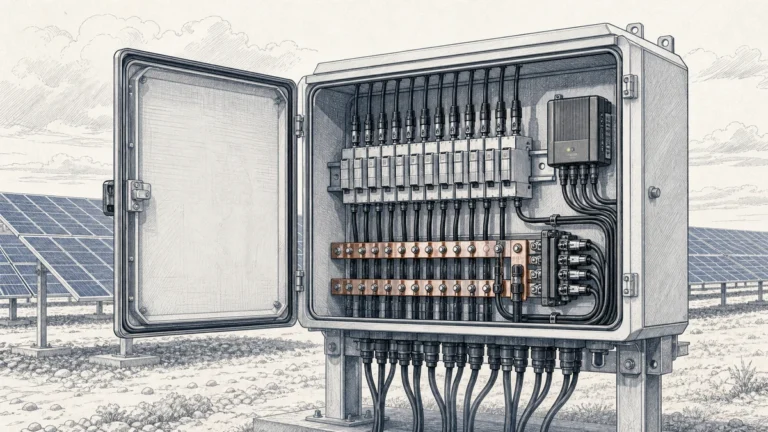
Condensation control is strongly affected by internal layout. Even when a breather or heater is installed, poor component placement can create cold spots, trapped moisture zones, and wiring paths that direct water toward electrical parts.
A practical PV combiner box layout should keep moisture away from sensitive components and allow air to circulate inside the enclosure.
The lowest area of an outdoor enclosure is often the most vulnerable to moisture accumulation. Cable entries, condensate paths, and accidental water ingress can all affect the lower section first.
Where possible, critical electrical components should be positioned away from likely moisture paths. Fuse holders, monitoring modules, terminals, and surge protective devices should not be placed directly beneath cable entries where drips may form.
Dense wiring and tightly packed components can block natural air movement. When warm and cool areas become separated inside the enclosure, localized condensation may occur.
Sinobreaker PV Combiner Box designs should maintain practical spacing around DC fuses, disconnect devices, SPDs, and terminal blocks. This supports heat dissipation during operation and helps reduce stagnant humidity pockets.
Cable glands and conduit entries are frequent moisture pathways. Incorrect gland size, poor tightening, UV-aged seals, or upward-facing cable routes can allow water to enter the enclosure.
Good practice includes:
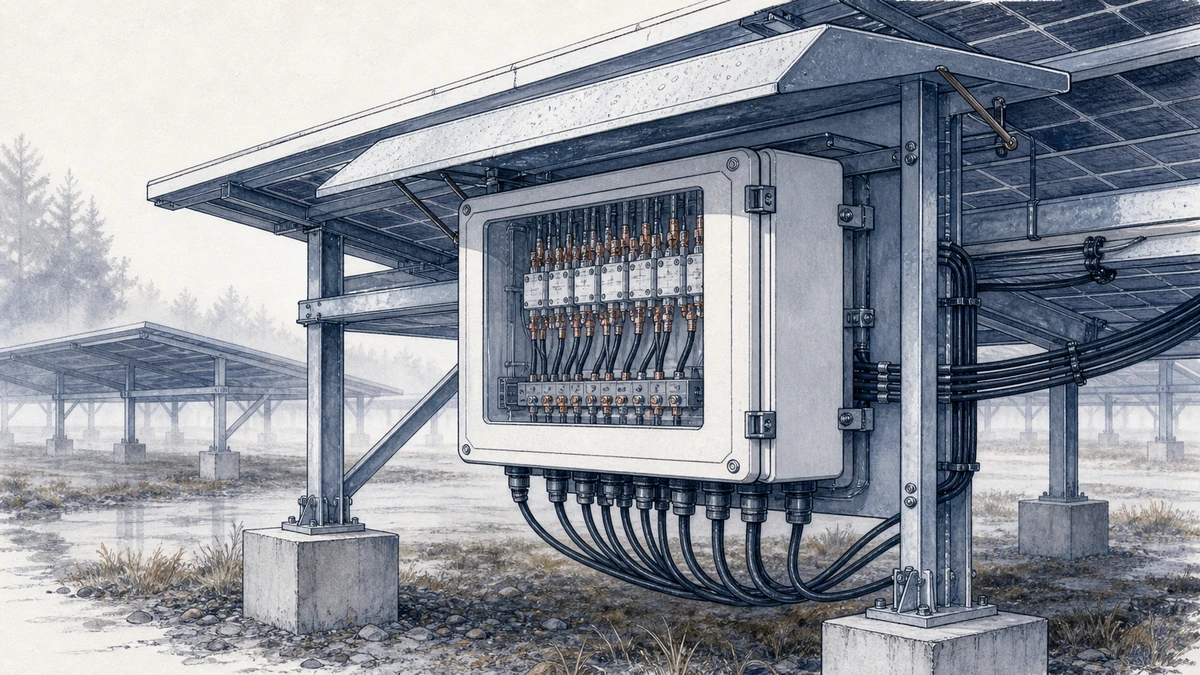
A PV combiner box must resist rain, dust, and outdoor contamination, but absolute sealing is not always the best moisture strategy. If humid air enters a fully sealed enclosure and cannot escape, condensation may remain trapped.
The goal is a balanced enclosure system: prevent liquid water ingress, reduce uncontrolled air exchange, equalize pressure where needed, and allow safe management of any incidental moisture.
Door gaskets should compress evenly and remain free from dirt, cable ties, wire strands, and mechanical damage. A poorly seated gasket can allow humid air or rainwater to enter.
Maintenance teams should inspect:
Flat ledges, cable loops, and crowded lower compartments can trap moisture. Once water collects, it may evaporate during the day and re-condense at night, repeating the moisture cycle inside the enclosure.
A well-planned layout should avoid unnecessary horizontal surfaces beneath live parts and should route wiring so that any incidental moisture is directed away from electrical connections.
The enclosure material, coating, internal metal parts, and component ratings all affect condensation resilience. Even with good control measures, outdoor PV equipment must tolerate a harsh environment.
For Sinobreaker PV Combiner Box applications, material selection should consider UV exposure, salt mist, temperature range, corrosion class, mechanical impact, and electrical insulation requirements.
Moisture accelerates corrosion when incompatible metals, contaminants, or poor plating are present. Corrosion at terminals can increase resistance and generate heat, which may lead to further degradation.
Use suitable metallic parts, plated conductors, stainless or corrosion-resistant fasteners where required, and properly rated terminals for DC PV applications.
Internal devices should be selected for the electrical and environmental conditions of PV service. This includes DC-rated fuses, DC surge protective devices, disconnect components, terminals, and monitoring accessories.
Condensation control improves reliability, but it should not be used to compensate for under-rated components.
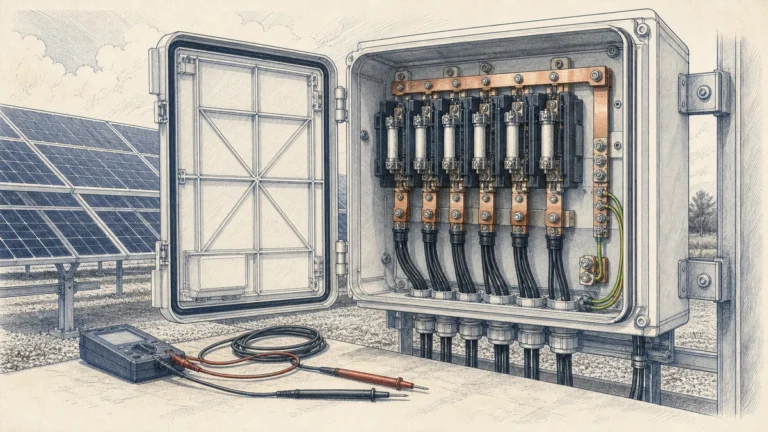
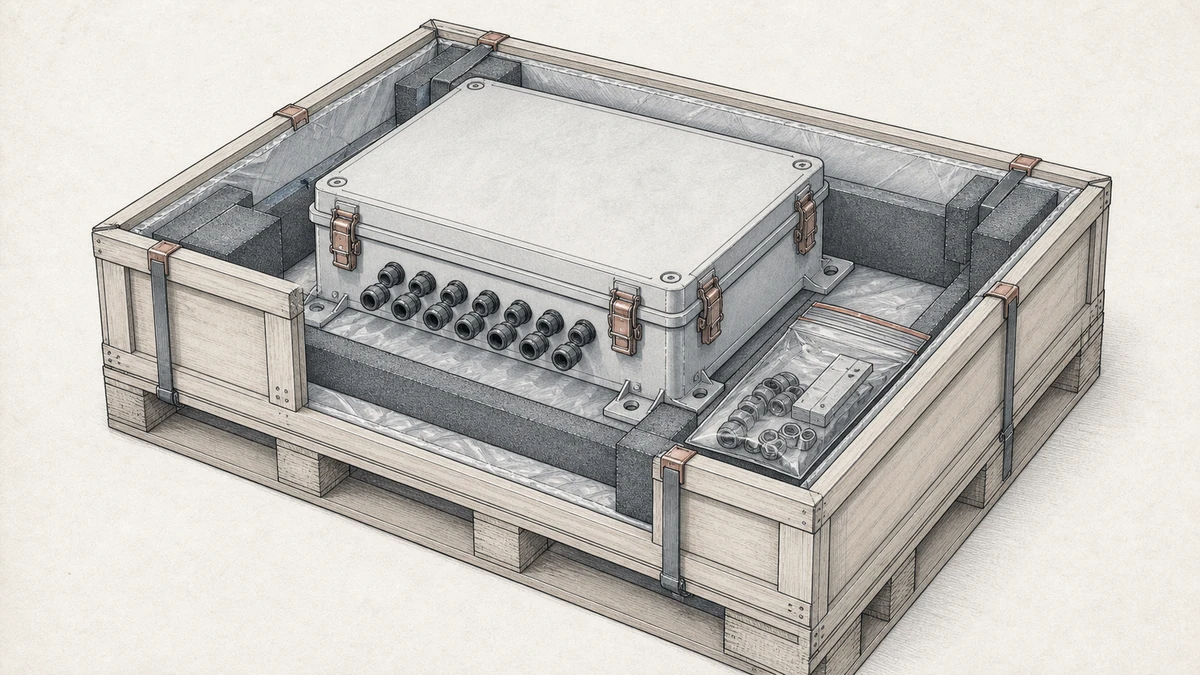
Before commissioning a Sinobreaker PV Combiner Box, the installer should verify both electrical performance and moisture-control details.
Key checks include:
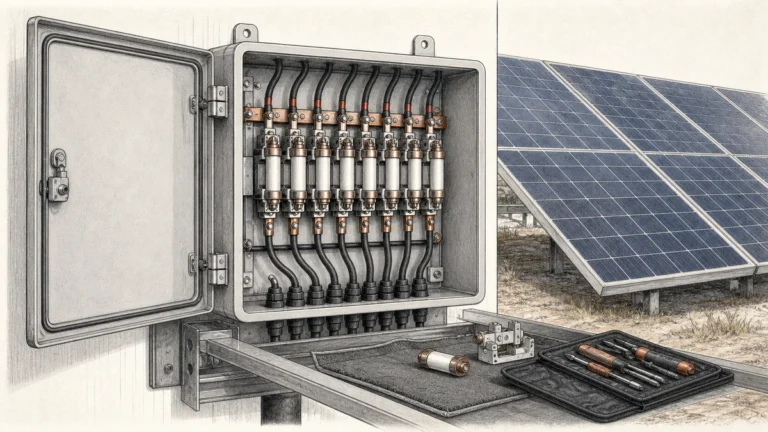
Condensation prevention is not a one-time design action. Outdoor PV combiner boxes should be inspected periodically, especially after seasonal changes, heavy rain, snow, high humidity periods, or site cleaning.
Maintenance should look for early warning signs before faults occur.
Common indicators include:
If these signs appear, the cause should be investigated rather than simply wiped away. Possible causes include failed seals, blocked breathers, incorrect cable gland installation, inadequate heater control, or unsuitable enclosure placement.
Recommended service actions may include:
All service work should follow site safety procedures and applicable electrical standards, especially because PV DC circuits can remain energized when exposed to sunlight.
Effective **pv combiner box condensation** control combines passive and active measures. Breathers help manage pressure changes. Heaters help keep internal conditions above dew point. Enclosure layout reduces moisture contact with sensitive parts. Proper sealing blocks liquid water entry. Maintenance keeps the system working over time.
For Sinobreaker PV Combiner Box projects, the best solution depends on the climate, mounting location, enclosure size, internal equipment, and required protection rating. A dry, stable internal environment supports safer operation, longer component life, and more reliable PV array performance.
PV combiner box condensation is mainly caused by humid air cooling below its dew point inside the enclosure. Outdoor temperature swings, solar heating, night cooling, rain, and poor sealing can all contribute to moisture forming on internal surfaces.
No. Some installations can manage moisture with proper enclosure sealing, cable entry design, pressure equalization, and layout. A heater is more useful in high-humidity, cold, coastal, or high-altitude sites where condensation risk is persistent.
A breather should be installed where it can equalize pressure without direct exposure to standing water, splash, dust blockage, or wiring obstruction. The exact location depends on the enclosure design, IP rating requirement, mounting orientation, and site conditions.