Adresse
304 Nord Kardinal
St. Dorchester Center, MA 02124
Arbeitszeiten
Montag bis Freitag: 7AM - 7PM
Am Wochenende: 10AM - 5PM
Adresse
304 Nord Kardinal
St. Dorchester Center, MA 02124
Arbeitszeiten
Montag bis Freitag: 7AM - 7PM
Am Wochenende: 10AM - 5PM

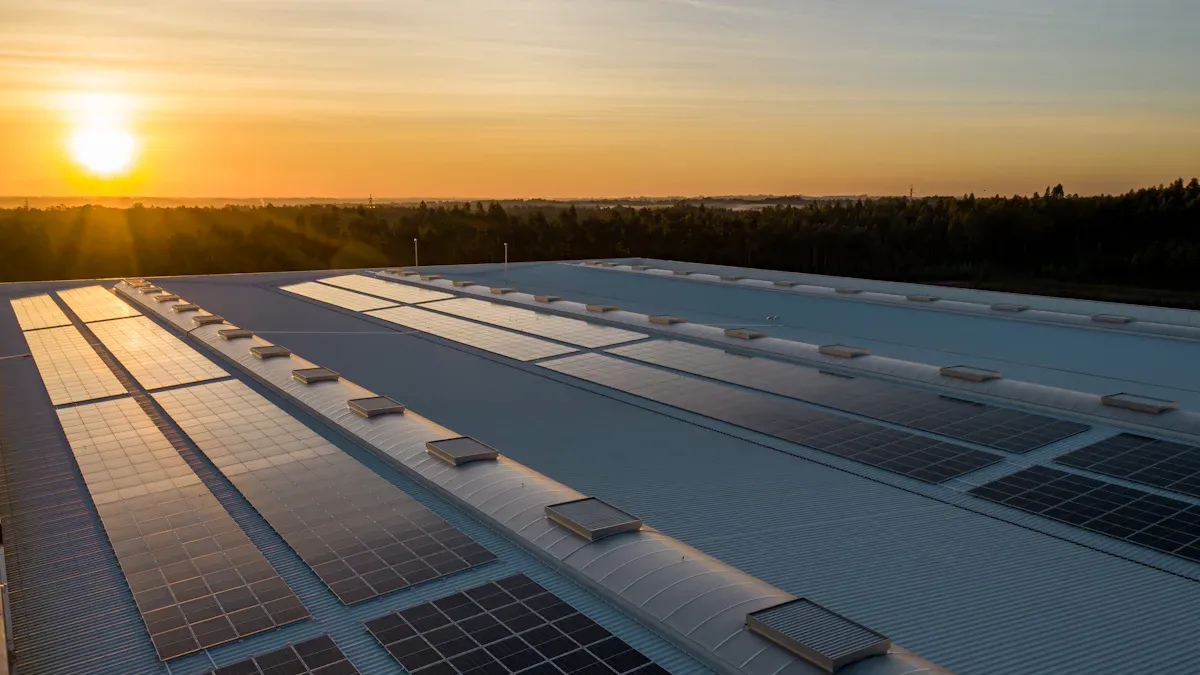
You need good protection for your solar system. DC fuses help keep your equipment safe. They also help your system work well. If there is too much current or a short circuit, a fuse stops the flow. This keeps your equipment from getting damaged. The right fuses save you money on repairs. They also lower the chance of fires. Solar systems have special dangers. You need solutions made for high DC voltage. These solutions must work all the time.
The table below shows safety problems and how dc fuses stop them:
| Safety Incident Type | Prevention Method |
|---|---|
| Overcurrents | DC fuses stop current flow when there are faults |
| Short Circuits | DC fuses put out strong arcs |
| Equipment Damage | DC fuses with the right size and voltage protect inverters |
Your solar system needs strong protection. DC fuses help you follow safety rules from around the world. These rules keep your system safe for a long time. DC fuses stop dangerous currents. They protect your equipment from harm. Using DC fuses helps you meet important solar power laws.
Tip: Always make sure your dc fuse follows global safety rules before you put it in.
Here is a table that shows how dc fuses help you follow main solar safety rules:
| Standard | Key Points |
|---|---|
| IEC 60269-6 | This rule is for fuses in photovoltaic (PV) systems. It makes sure fuses can stop DC fault currents. |
| Fuses must last outside in tough weather. | |
| Fuses should work for 20-30 years in PV systems. | |
| UL 248-19 | This rule lists what fuses need for solar use, especially for inverters. |
| It covers tests for stopping DC current and handling weather. |
Solar systems can have high currents and sudden faults. You need overcurrent protection to stop these issues. DC fuses act fast when there is too much current. They break the circuit and stop damage. The right dc fuse protects your solar panels, inverters, and batteries. Overcurrent protection keeps your system safe and lowers fire risk.
You want your solar system to work every day. DC fuses help you reach this goal. These fuses handle tough solar conditions. They protect against too much current and faults. The right dc fuse keeps your system running well for years. DC fuses last a long time and keep your solar panels working.
DC fuses are made to handle the special needs of solar systems. They give important protection from too much current and faults. You count on these fuses to safely stop DC fault currents in solar arrays. This stops damage and keeps your system working.
Note: Good fuses mean less fixing and more energy from your solar panels.
Solar systems use different voltages and currents. You need to know these numbers to pick the right protection. Small setups use 12 volts. Homes often use 12 or 24 volts. Bigger systems use 24 volts. Off-grid and business systems use 12 to 48 volts. Some homes use high voltage, from 300 to 600 volts DC. Big solar farms can reach up to 1500 volts DC.
| Application Type | Spannungsbereich |
|---|---|
| Small-scale applications | 12 volts |
| Residential installations | 12 to 24 volts |
| Larger systems | 24 volts |
| Off-grid systems | 12 to 48 volts |
| Commercial installations | 12 to 48 volts |
| High Voltage Residential | 300 to 600 volts DC |
| High Voltage Commercial | Up to 1500 volts DC |
You must pick DC fuses that fit these voltages and currents. If you use the wrong fuse, your system might fail or be unsafe. High DC voltage can make strong arcs when there is a fault. DC fuses are made to stop these arcs and keep your equipment safe. You protect your solar system by choosing fuses with the right ratings.
Solar systems work every day for many years. You need protection devices that work all the time. DC fuses give strong overcurrent protection and stop arcs in DC circuits. These features make DC fuses better than many other devices for solar systems.
You might use DC breakers to make fixing things easier, but DC fuses give the main protection. Using both gives you better safety and makes your system easier to take care of. You keep your solar system working well by using DC fuses made for nonstop use.
Solar systems outside face hard weather. You need to protect your system from rain, moisture, and dust. Bad weather can hurt panels and wires, causing too much current. DC fuses must handle these problems to keep your system safe.
You should pick DC fuses made for tough outdoor places. These fuses last longer and keep working even when the weather changes. By choosing strong DC fuses, you lower the chance of problems and keep your solar system working well.
Tip: Always check if your DC fuses are made for outdoor use and tough weather. This helps you avoid problems and keeps your solar system working strong.
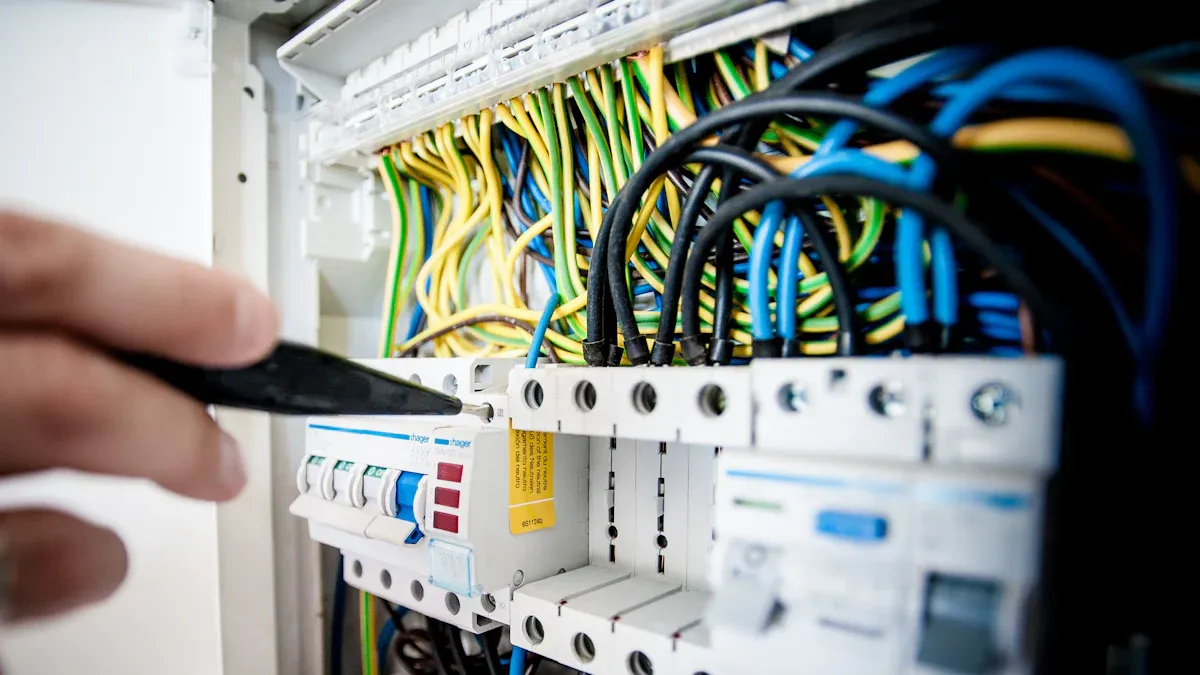
Solar systems need strong protection. DC fuses can stop very big fault currents. This means they keep your equipment safe from damage. Solar systems sometimes have high fault currents. This is true for large solar setups. For example, a fuse with 10,000 amperes breaking capacity can handle big overloads. It keeps your system safe.
Many new fuses for solar can stop up to 40,000 amperes at 1500V DC. Some fuses can even stop 50,000 amperes. This high breaking capacity is needed for solar, wind, and energy storage systems. You can trust these fuses during extreme events.
Note: Always make sure your dc fuse meets rules like IEC 60269-6 and UL 2579. These rules help fuses handle high fault currents and keep your system safe.
DC circuits can make strong electrical arcs when faults happen. These arcs are hard to stop and can cause fires. DC fuses use special arc suppression technology. This technology uses magnets and bigger gaps to put out arcs fast.
If you use a dc fuse with good arc suppression, you lower fire risk. The fuse element and arc-quenching chamber work together to stop arcs quickly. This keeps your equipment and property safe.
Solar systems come in many sizes. You need fuses that fit your system. DC fuses have many current ratings, from 1 ampere to 630 amperes. This makes them good for small homes and big projects.
You can find a dc fuse for every part of your system. They work for PV strings, inverters, and batteries. These fuses work at voltages up to 1500V DC. You get good protection for any use. These fuses act fast, in less than 1 millisecond. They stop faults before damage happens.
| Anmeldung | Spannungsbereich | Aktuelle Bewertungen |
|---|---|---|
| PV-Strings | Up to 1500V | 1A – 32A |
| Inverters | Up to 1500V | 10A – 250A |
| Energy Storage | Up to 1500V | 32A – 630A |
Tip: Pick fuses with the right current ratings for each part of your solar system. This keeps your system safe and working well.
You need protection that works fast when there is trouble. DC fuses react almost right away to too much current. The metal part inside melts quickly when the current is too high. This stops electricity and keeps your equipment safe.
Solar fuses work in about 0.002 seconds. Circuit breakers are slower, taking 0.02 to 0.05 seconds. Fuses give better safety because they act before things get worse.
| Merkmal | Fuses | Stromkreisunterbrecher |
|---|---|---|
| Reaktionszeit | 0.002 seconds | 0.02 – 0.05 seconds |
Using DC fuses lowers the chance of fire and losing equipment. Fast action keeps your solar panels, inverters, and batteries safe. Your system keeps working and you save money on repairs.
Tip: Pick DC fuses for the fastest way to protect your solar system from faults.
You want your solar system to last a long time. DC fuses are made to handle tough places. Makers use strong materials that fight heat, cold, and wet weather. The fuse bases can take very hot or cold temperatures and quick weather changes.
| Merkmal | Beschreibung |
|---|---|
| Robuste Konstruktion | Made to last in hard places, so they stay strong. |
| High Durability | Fuse bases work in very hot or cold weather. |
| Enhanced Reliability | Built for big changes in temperature and current in PV systems. |
Some DC fuses are tested many times to show they can handle solar power needs. You get good performance year after year. These fuses work well outside, in energy storage, and wind systems.
You protect your solar system by picking DC fuses that last a long time. You spend less time fixing things and more time using clean energy.
Note: Always choose DC fuses made for tough weather to keep your solar system safe and strong.
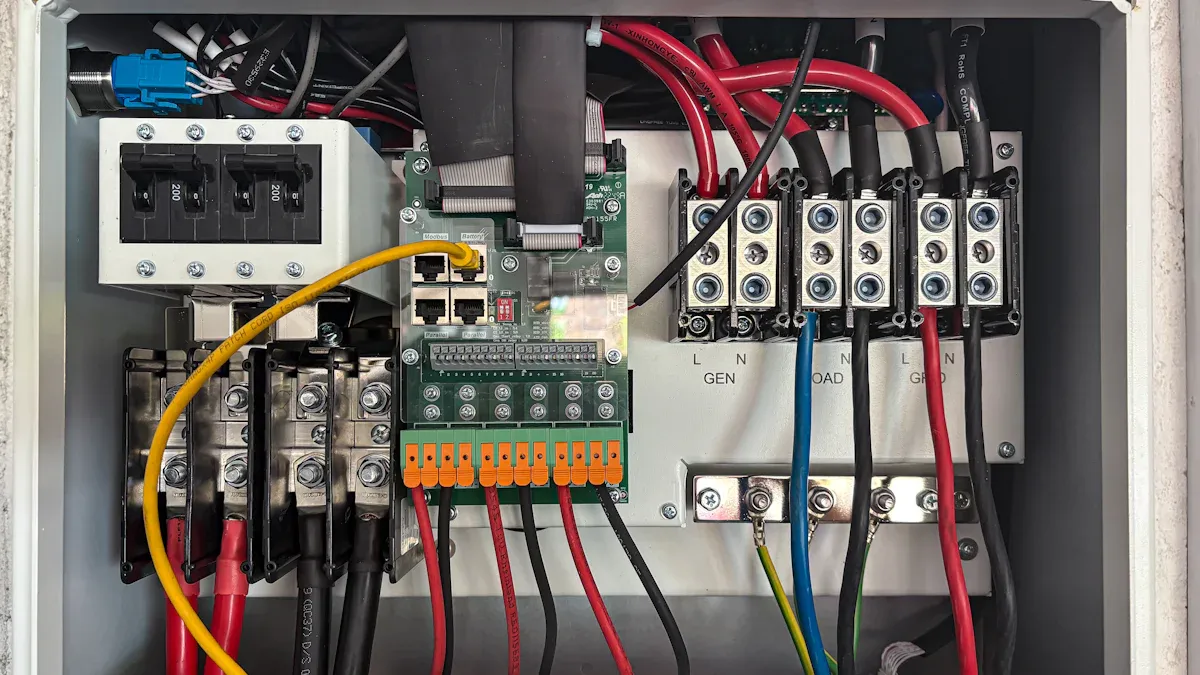
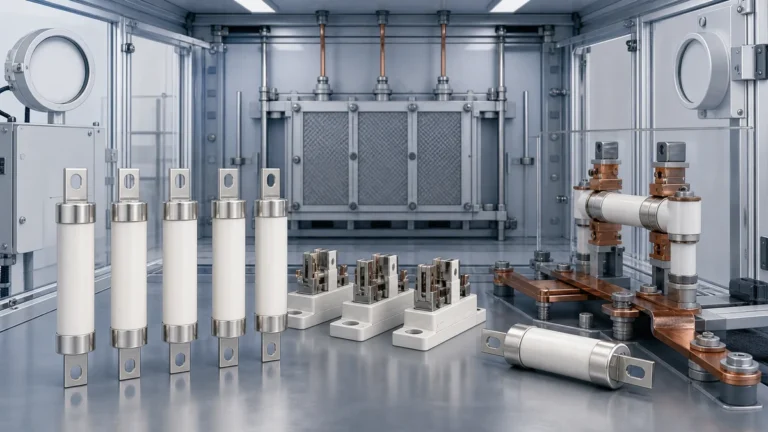
When you pick protection for your solar system, you should know the main types of dc fuse. Each fuse works best in a certain part of your system. You find these fuses in homes, businesses, and big solar farms. They are also used in battery energy storage systems and bess. Let’s learn about the most common fuse types and how they are used.
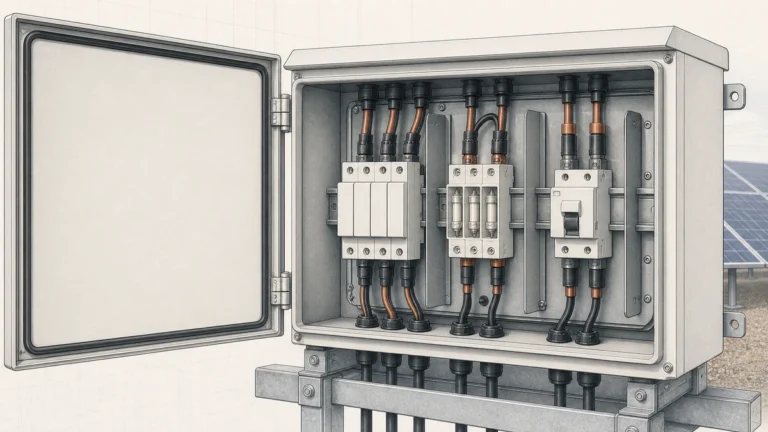
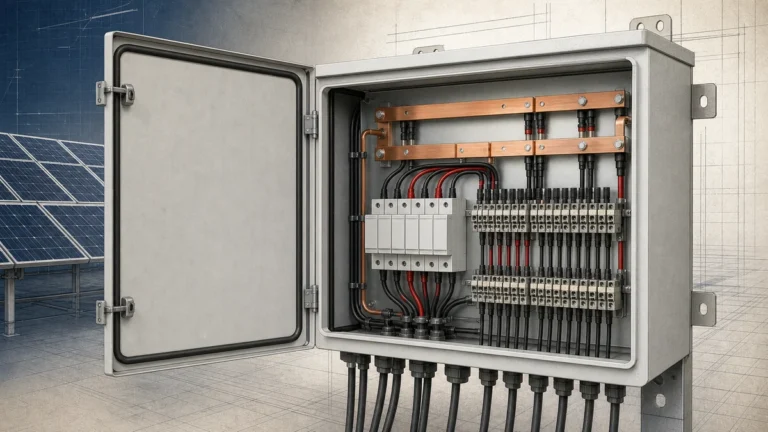
You use 10×38mm PV string fuses to keep solar panel strings safe. These fuses are good for homes and small businesses. They can handle up to 1500V DC. You put them in combiner boxes or near the panels. These fuses act fast when there is a problem and protect your panels.
Tip: Always check the voltage and current numbers before you choose a fuse for your PV string.
| Sicherung Typ | Spannungsbereich | Aktueller Bereich | Main Applications of DC Fuse |
|---|---|---|---|
| 10×38mm PV String | Up to 1500V | 1A – 32A | Residential, small commercial, bess |
You use 14×85mm medium current fuses for bigger solar setups and bess. These fuses can handle more current and higher voltage. You see them in commercial solar systems and battery energy storage setups. They help protect inverters and energy storage units from problems.
Note: Medium current fuses help keep your system safe when you need more power.
| Sicherung Typ | Spannungsbereich | Aktueller Bereich | Main Applications of DC Fuse |
|---|---|---|---|
| 14×85mm Medium | Up to 1500V | 32A – 250A | Commercial, bess, battery energy storage systems |
You need high-current H-Class fuses for very big solar projects and large bess. These fuses handle the highest currents and voltages. You use them in industrial DC networks, EV charging stations, and big energy storage systems. They protect your equipment when there are serious faults.
Tip: High-current fuses are important for protecting big investments in solar and bess.
| Sicherung Typ | Spannungsbereich | Aktueller Bereich | Main Applications of DC Fuse |
|---|---|---|---|
| H-Class High-Current | Up to 1500V | 250A – 630A | Utility-scale, industrial, EV charging, bess |
You see many kinds of dc fuse in solar and renewable energy systems. Each fuse type does a special job. You keep your panels, inverters, and bess safe by picking the right fuse. You also make sure your system stays safe in all weather. When you know about fuse types and what they do, you can make better choices for your solar project.
Explore Our DC Fuses
Discover high-performance DC fuses designed for your renewable energy systems. Ensure safety and efficiency with our reliable solutions.
Remember: Choosing the right dc fuse types helps you stop problems and keeps your system working well.
You might wonder how dc fuses and ac fuses handle arcs. AC fuses can stop arcs more easily. This is because alternating current goes to zero many times each second. When the current hits zero, the arc breaks by itself. DC fuses do not have this help. Direct current moves in one way and never drops to zero. This means arcs can last longer and be more risky. DC fuses use special shapes and longer parts to stop these strong arcs. They also have arc chutes to help put out arcs. DC fuses make solar systems safer by controlling arc faults better.
Tip: Pick DC fuses for solar systems. They are made to handle the special arc problems from direct current.
You need protection that fits what solar power needs. The difference between dc fuses and ac fuses shows up in solar circuits. DC fuses are built for direct current, which only goes one way. AC fuses work with current that changes direction many times each second. AC fuses depend on zero-crossing to stop current, but DC circuits do not have this. Using AC fuses in solar setups can cause bad arcs and weak protection.
You keep your solar system safe by using DC fuses that match the current and voltage.
You want your solar system to be safe and work well. DC fuses have many benefits over AC fuses in solar setups. The table below shows how each fuse type works in important ways:
| Merkmal | AC Fuses | DC-Sicherungen |
|---|---|---|
| Arcing | Made to handle zero-crossing, so arcs stop easily. | Built with arc-stopping parts for long-lasting arcs. |
| Nennspannung | Rated for certain AC voltages, less exact. | More exact voltage ratings, wrong use can be risky. |
| Polarity | Not sensitive to direction; current goes both ways. | Sensitive to direction; must be hooked up the right way. |
| Unterbrechungskapazität | Usually lower, easier to stop because of zero-crossing. | Higher ability to stop strong arcs when breaking current. |
You see DC fuses control arcs better, have higher stopping power, and more exact voltage ratings for solar use. You protect your equipment and make your system work better by using DC fuses with direct current.
Note: Always check the fuse type before you install it. This helps keep your solar system safe and working well.
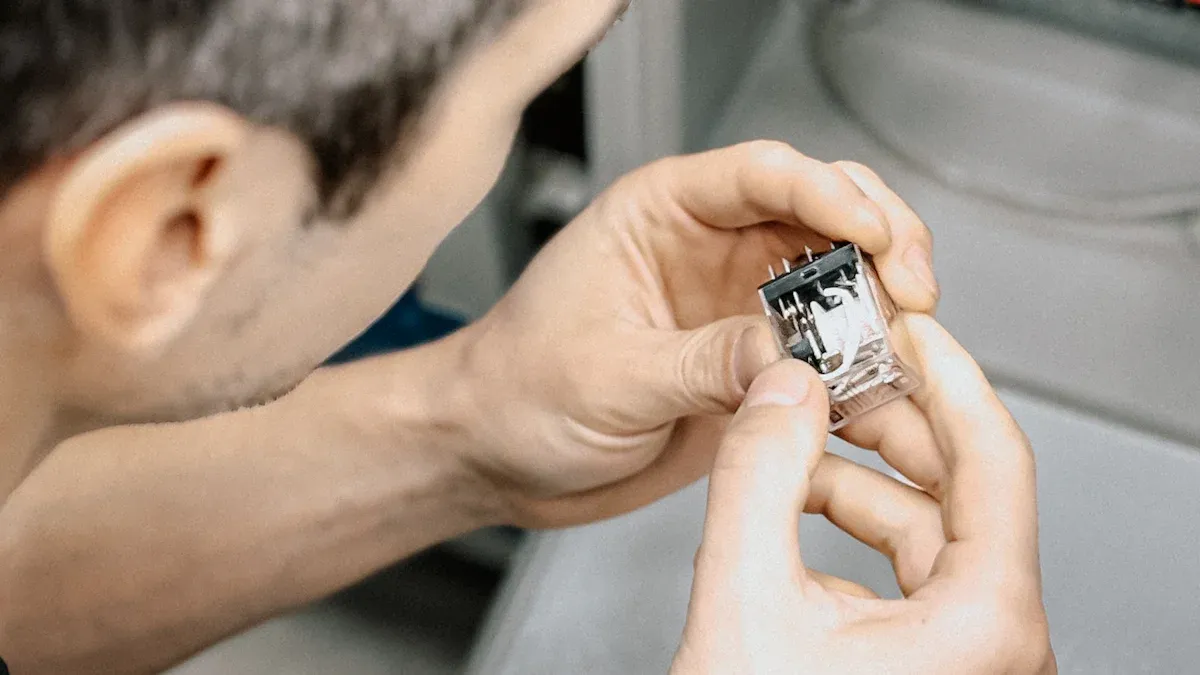
You need to pick DC-Sicherungen with the right current and voltage. This keeps your solar system safe. First, look at your system setup. Each system needs a fuse that matches its voltage and current. Always use a gPV Photovoltaic Fuse for solar power. Make sure the fuse meets IEC 60269-6 standards. This helps the fuse work well and follow safety rules.
| Criteria | Beschreibung |
|---|---|
| System Configuration | Pick voltage and current ratings that fit your system. |
| Sicherung Typ | Use a gPV Photovoltaic Fuse for solar systems. |
| Einhaltung der Vorschriften | The fuse should be made to IEC 60269 – 6 rules. |
Tip: Check the fuse’s voltage and current before you install it. This helps you avoid trouble and keeps your system safe.
Solar systems outside face tough weather and changing temperatures. You need to think about these things when picking DC fuses. Heat, cold, rain, and dust can change how fuses work. If you pick the wrong fuse, your system might not work or could break. Make sure the fuse can handle sun, rain, and temperature changes. Pick fuses tested for outdoor use. This helps your solar system stay safe and strong.
When you choose DC fuses, look for ones that work in hard weather. Good fuses keep your system running even when the weather changes fast. Picking the right size and type helps your system last longer and not break down.
You need to match the DC fuse to your solar system. Each part needs a fuse with the right ratings and features. For energy storage or EV charging, use fuses with voltage ratings as high or higher than your system. The current rating should fit your system’s normal current, with a little extra for safety. Interrupting rating must be higher than the biggest fault current in your system. Minimum Breaking Capacity (MBC) is important for systems with low short-circuit current.
| Kriterien für die Auswahl | Beschreibung |
|---|---|
| Nennspannung | The fuse should have a voltage rating as high or higher than your system. |
| Aktuelle Bewertung | The current rating should match your system’s normal current, with a little extra for safety. |
| Interrupting Rating | This shows the biggest fault current the fuse can safely stop. It must be higher than the fault current in your system. |
| Minimum Breaking Capacity (MBC) | MBC makes sure the fuse can stop fault currents in systems with low short-circuit current. |
| Time-Current Characteristics | The fuse’s speed to stop overcurrent must fit your system. Use fast fuses for sensitive parts and slow fuses for circuits with big starting currents. |
| Umweltbezogene Überlegungen | Think about temperature, humidity, and bad air to make sure the fuse works well in your system. |
Note: Always match the fuse to your system’s needs. This keeps your solar system safe and working for a long time.
Putting DC fuses in your solar system needs careful steps. You want your system to stay safe and work well for a long time. Follow these easy tips to get the best protection from your DC fuses:
Tip: Always check your work before turning on the power. Careful work stops mistakes and keeps your solar system safe.
| Step | Why It Matters |
|---|---|
| Professional Setup | Makes sure everything is safe and done right |
| Power Off | Stops electric shocks |
| Correct Fuse Choice | Fits your system’s needs |
| Secure Wiring | Stops overheating and faults |
| Environmental Care | Helps fuses last longer |
| Grounding | Keeps your system safe from surges |
| Inspection | Finds problems early |
| Dokumentation | Helps with safety and maintenance |
If you follow these tips, your solar system will be safer and work better. You protect your equipment, meet important rules, and feel good knowing your DC fuses will work when needed.
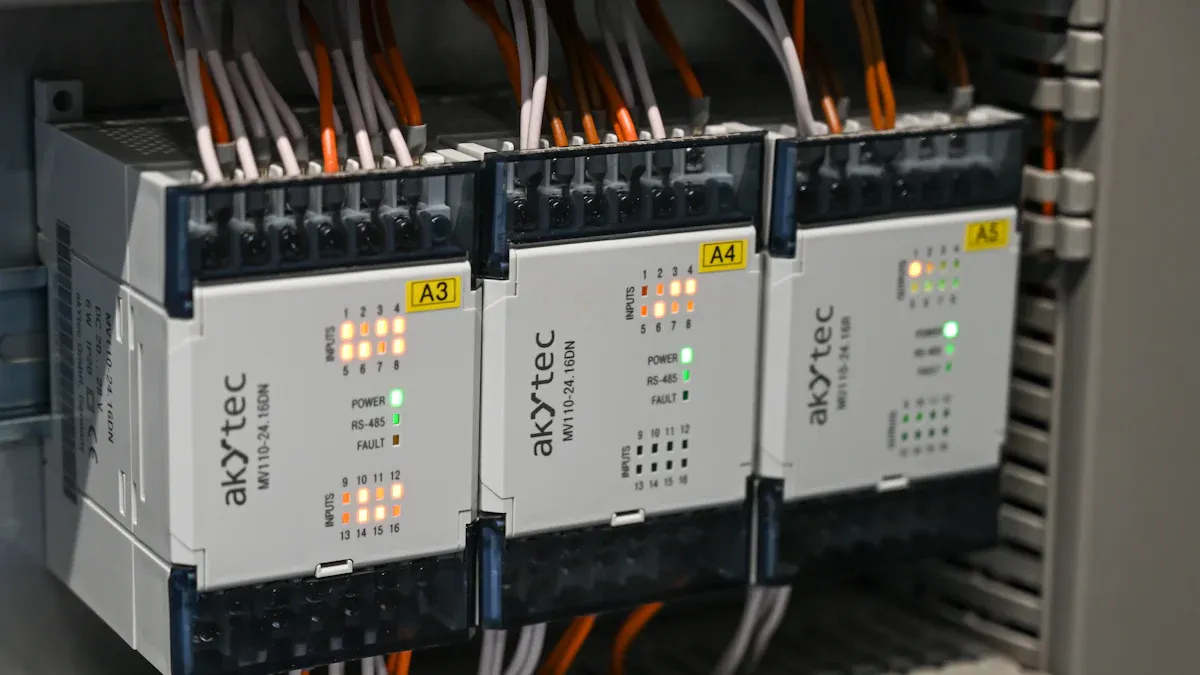
You want your solar system to be safe every day. Good dc fuses give strong protection from electrical problems. Using high-grade fuses lowers the chance of fires and damage. These fuses stop the current when there is too much. This keeps dangerous things from getting worse. You also follow safety rules, so your system stays reliable.
If you pick the right dc fuse, your solar setup is safer for everyone. You protect your money and avoid big accidents.
Tip: Always choose fuses that meet IEC and UL rules for best safety.
You need your solar system to work well. Good dc fuses help control current and keep things efficient. These fuses lower voltage drop, so you lose less power. You get more energy from your solar panels and waste less.
| Nutzen Sie | Beschreibung |
|---|---|
| Optimizes Current Flow | Good DC fuses help control current, which is important for efficiency. |
| Minimizes Power Loss | These fuses lower voltage drop, so you lose less power. |
| Ensures Safe Operation | They protect against too much current and short circuits, making the system safer. |
You can cut electrical problems in your DC system by up to 30% with good fuses. These fuses stop high fault currents fast and protect important parts. The Electric Power Research Institute says fast dc fuses are needed to keep solar systems efficient as more people use renewable energy.
You want your solar system to last long and need little fixing. Good dc fuses give exact protection from too much current, keeping your PV system safe. These fuses help you keep making energy without stopping, so you get the most from your solar power.
You also get fuses that separate bad strings, so problems do not spread. Fast action on short-circuit faults means less damage and fewer repairs. High reliability and low losses from these fuses help your solar equipment last longer.
Note: Using good dc fuses means you fix fewer problems and enjoy clean energy more.
You keep your solar system safe by picking the right dc fuses. These fuses have the right size, voltage rating, and react fast. They help your system work in bad weather and stop overheating. The table below lists important features and what they do:
| Key Feature/Benefit | Beschreibung |
|---|---|
| Richtige Dimensionierung | Handles high current and stops fires. |
| Nennspannung | Stops arcs and fits DC system needs. |
| Time-Current Characteristics | Acts fast when there is too much current. |
| Umweltbedingungen | Works well in sun and changing temperatures. |
| Fuse Holder Compatibility | Makes sure DC systems run safely. |
Always pick dc fuses that are certified and meet IEC 60269-6 and UL 2579 rules. Check your system’s fault current and look at where you will install the fuse. Make sure protection devices work together. If you are not sure, ask an expert or read the product details.
You use a DC fuse for direct current. It stops arcs that last longer than those in AC circuits. DC fuses have special designs to handle steady current and higher voltages in solar systems.
You check your system’s voltage and current. Pick a fuse with ratings that match or exceed these values. Always select fuses that meet IEC 60269-6 or UL 2579 standards for safety.
No, you should not use a regular fuse. Only use DC fuses designed for solar PV systems. These fuses handle high voltage and strong arcs. Regular fuses may fail and cause safety risks.
You do not need to replace DC fuses often. Replace them only if they blow or show signs of damage. Quality DC fuses last many years, even in harsh outdoor conditions.
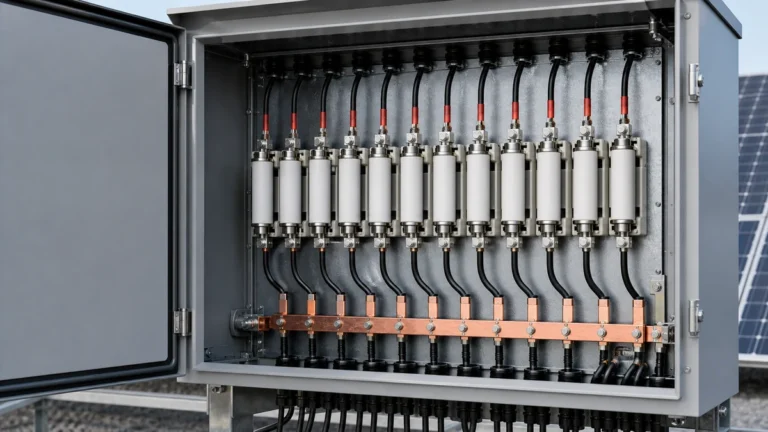
You install DC fuses close to the source of overcurrent risk. Place them in combiner boxes, near PV strings, or at battery connections. This setup gives the best protection for your equipment.
Always look for IEC 60269-6 and UL 2579 certifications.
These show the fuse meets global safety and performance standards for solar and renewable energy systems.
Yes, you can use DC fuses for energy storage and EV charging. Choose fuses with the right voltage and current ratings. These fuses protect batteries, inverters, and charging equipment from faults.
You can trust quality DC fuses in hot, cold, wet, or dusty environments. Manufacturers design them for outdoor use. Always check the product’s environmental ratings before installation.