Adresse
304 North Cardinal
St. Dorchester Center, MA 02124
Heures de travail
Du lundi au vendredi : de 7h00 à 19h00
Le week-end : 10H00 - 17H00
Adresse
304 North Cardinal
St. Dorchester Center, MA 02124
Heures de travail
Du lundi au vendredi : de 7h00 à 19h00
Le week-end : 10H00 - 17H00

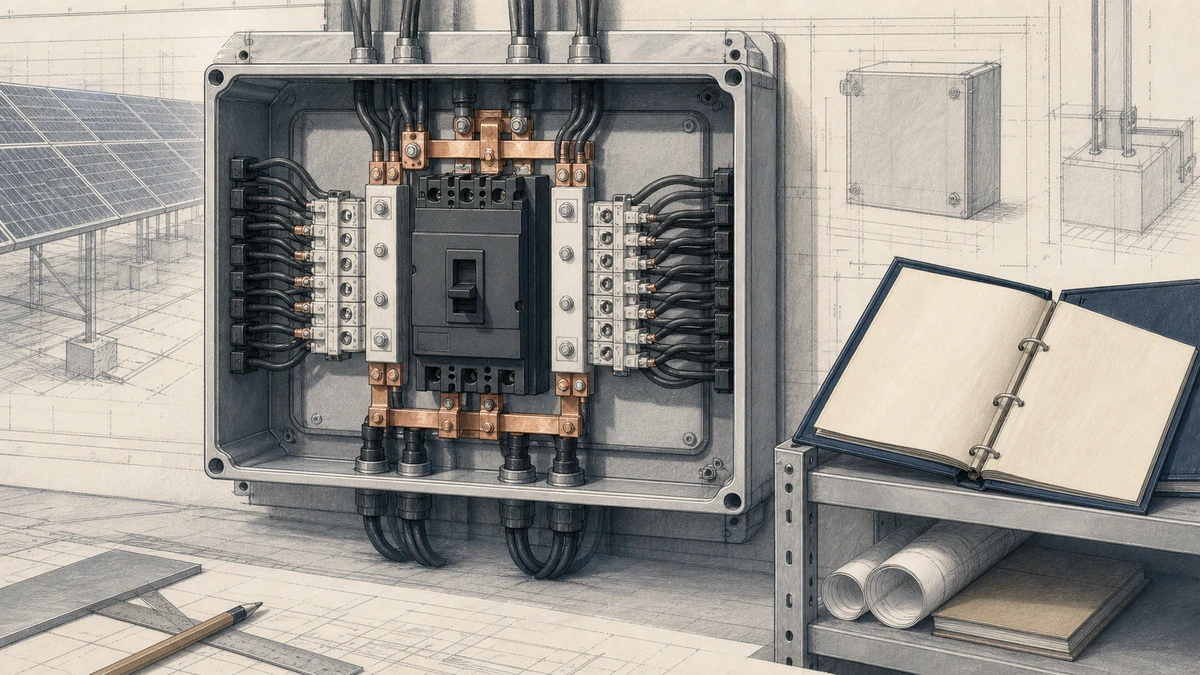
For DC power systems, the difference between Icu and Ics is not a small catalog detail. It affects whether a DC circuit breaker is specified only to interrupt an extreme fault once, or whether it is expected to remain suitable for service after clearing a declared short-circuit level.
For procurement teams comparing dc circuit breaker icu vs ics, the key point is simple: the purchase specification must state the required breaking capacity, the DC voltage basis, the installation short-circuit current, and whether the acceptance criterion is Icu, Ics, or both.
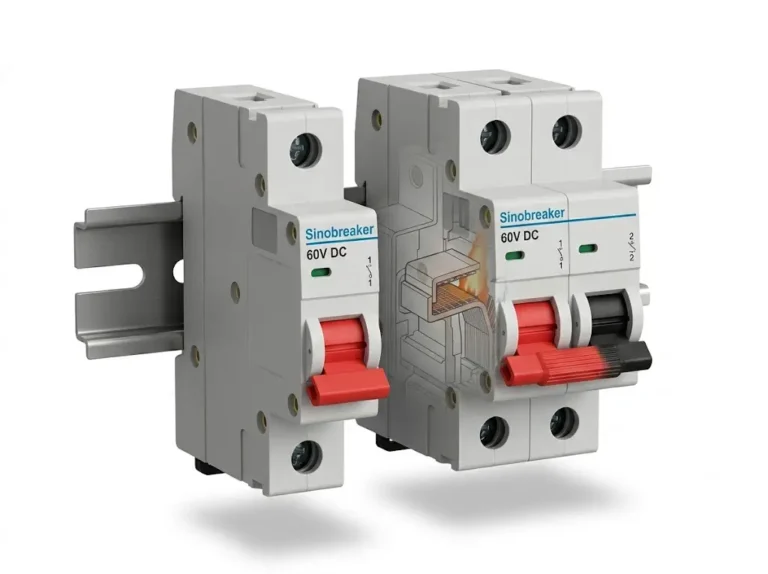
Sinobreaker recommends treating Icu and Ics as separate specification items, especially in DC systems such as battery storage, solar PV, telecom DC distribution, industrial DC panels, rail-related auxiliary circuits, and DC microgrid equipment.
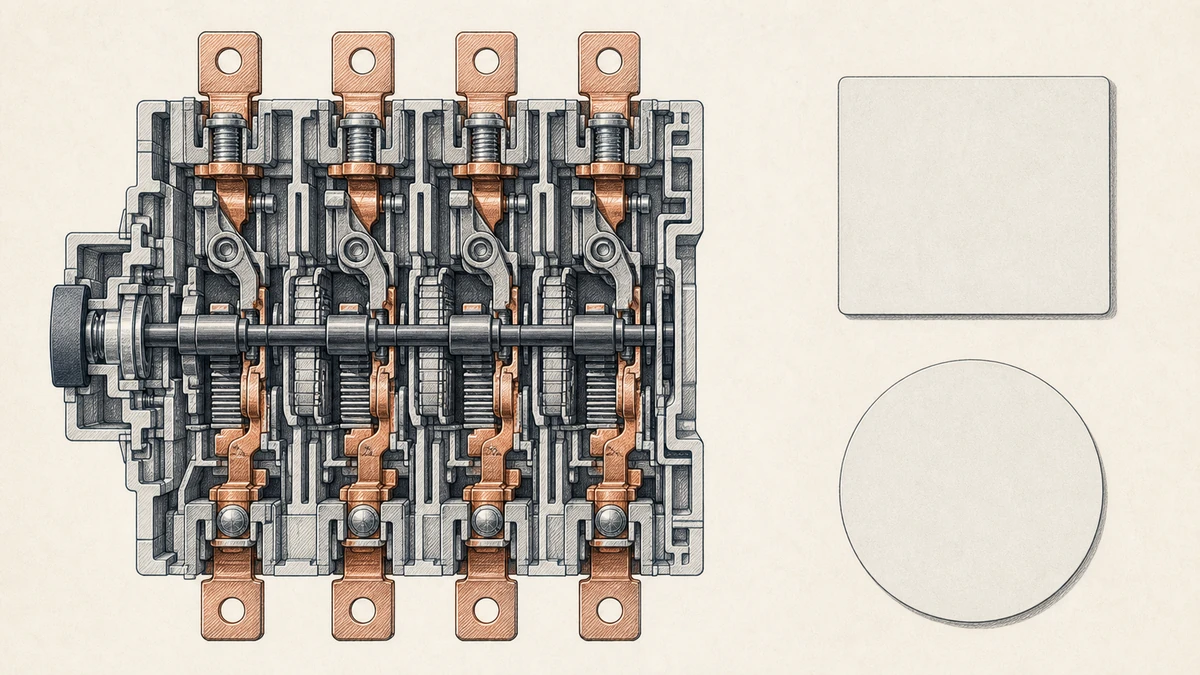
DC short-circuit interruption is demanding because direct current does not naturally pass through zero as AC does. The breaker must force arc extinction through its internal design, contact system, arc chute, magnetic blowout arrangement, and rated voltage construction.
IEC 60947-2:2024 applies to circuit-breakers for installations operated by instructed or skilled persons and includes circuits up to 1,500 V DC. That makes the standard directly relevant when procurement teams specify molded-case, air, or industrial low-voltage DC circuit breakers for professional electrical installations.
When specifications only say “breaking capacity: suitable” or “short-circuit rating: enough,” suppliers may quote products using different assumptions. One offer may be based on Icu, another on Ics, and another may use an AC rating that is not valid for the DC system voltage. This creates procurement risk.
A clear specification prevents three common mistakes:
Icu means rated ultimate short-circuit breaking capacity. It is the maximum short-circuit current that the circuit breaker is declared to interrupt under specified test conditions.
In procurement language, Icu answers this question:
Can the DC circuit breaker safely interrupt the maximum declared fault current at the stated voltage?
Icu is important for safety and fault containment. However, after interrupting at Icu level, the breaker may not necessarily be expected to remain in normal service without inspection, replacement, or further verification depending on the product design and standard test sequence.
Ics means rated service short-circuit breaking capacity. It represents the short-circuit breaking capacity associated with continued service performance after interruption under defined test conditions.
In manufacturer data, Ics is commonly expressed as a percentage of Icu, such as:
For example, if a DC circuit breaker has Icu = 20 kA at 500 V DC and Ics = 50% Icu, then Ics = 10 kA at 500 V DC.
A high Icu value can look attractive in a datasheet, but procurement should check the corresponding Ics value. Two breakers may both show 20 kA Icu, while one has 50% Ics and another has 100% Ics. They are not equivalent for service continuity expectations.
If the installation has a calculated prospective short-circuit current of 12 kA, a breaker rated Icu 20 kA but Ics 10 kA may satisfy an ultimate interruption requirement but may not satisfy a service breaking-capacity requirement if the specification demands Ics at or above the installation fault level.
A good DC circuit breaker procurement specification should not simply ask for a “high breaking capacity.” It should define the electrical basis of selection.
Breaker selection compares the prospective short-circuit current at the installation point with the declared breaking capacity of the device. This current should be calculated or verified for the exact installation position.
The specification should state:
Example wording:
> The DC circuit breaker shall have a declared breaking capacity not less than the prospective short-circuit current at the installation point. The prospective short-circuit current for this feeder is 15 kA DC.
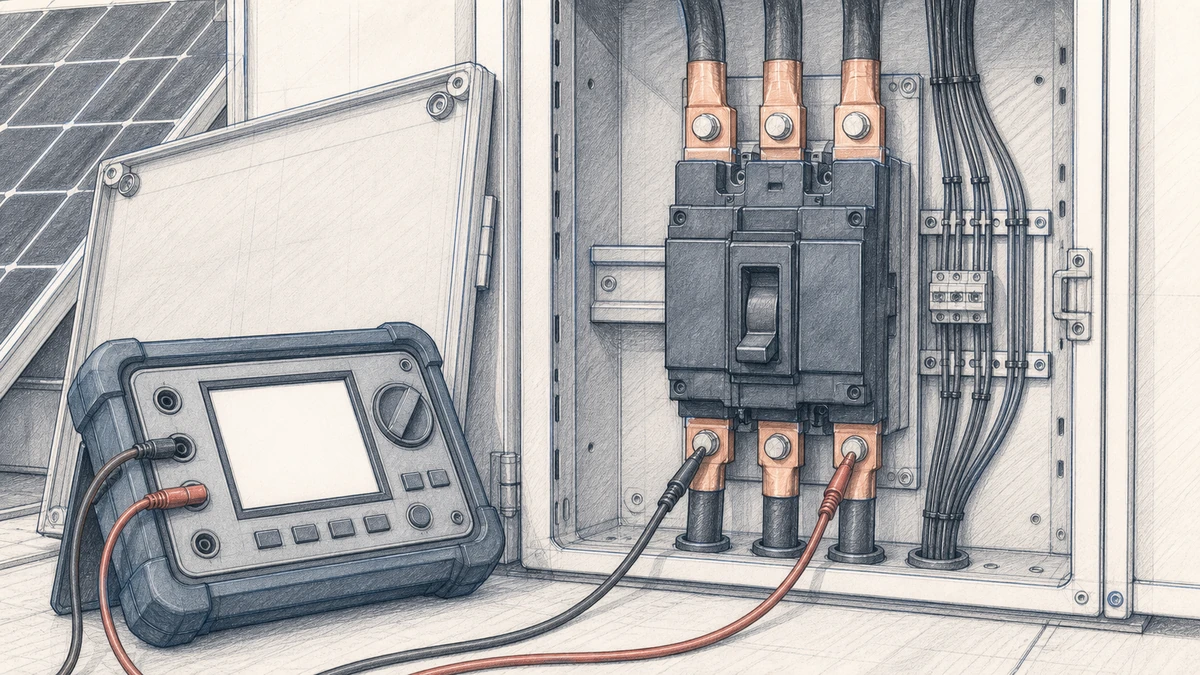
Breaking capacity is voltage-dependent. A DC circuit breaker rating at one voltage cannot automatically be applied to another DC voltage.
The procurement specification should state:
Example wording:
> The breaker shall be rated for 750 V DC maximum operating voltage and shall have its Icu and Ics values declared at 750 V DC or higher.
This prevents suppliers from quoting a breaker with an impressive breaking capacity at 250 V DC when the installation actually operates at 750 V DC.
Procurement teams should decide whether the project requires only Icu compliance, or whether Ics must also meet the installation short-circuit current.
For safety-focused minimum selection, the specification may require:
> Icu shall be equal to or greater than the maximum prospective short-circuit current at the installation point.
For higher service continuity, the specification may require:
> Ics shall be equal to or greater than the maximum prospective short-circuit current at the installation point.
For many industrial and energy applications, a stronger specification is:
> Icu shall be not less than the maximum prospective short-circuit current, and Ics shall be not less than 100% of Icu at the specified DC voltage.
The right choice depends on maintenance strategy, downtime tolerance, replacement philosophy, and the criticality of the DC circuit.
Use this when the project mainly needs safe interruption at the calculated maximum fault level:
> The DC circuit breaker shall comply with IEC 60947-2, be suitable for the stated DC system voltage, and have a rated ultimate short-circuit breaking capacity Icu not less than the prospective short-circuit current at the installation point. The supplier shall declare Icu and Ics values at the specified DC voltage.
This wording is better than only requesting “sufficient breaking capacity” because it forces the supplier to disclose both values.
Use this when the breaker should support continued operation expectations after a service-level short-circuit interruption:
> The DC circuit breaker shall have rated ultimate short-circuit breaking capacity Icu and rated service short-circuit breaking capacity Ics declared at the specified DC voltage. Ics shall be not less than the prospective short-circuit current at the installation point, or shall be 100% of Icu where required by the project schedule.
This wording is suitable for critical DC distribution, battery energy storage systems, process facilities, telecom power rooms, and other applications where rapid replacement after a fault may be difficult or costly.
Procurement should require documentation, not only a model number.
> The supplier shall submit manufacturer datasheets showing rated voltage, Icu, Ics, Ics percentage of Icu, applicable standard, pole configuration, utilization category where applicable, and installation conditions affecting DC breaking capacity.
This helps buyers compare offers on a like-for-like basis.
A circuit breaker may have a high AC short-circuit rating but a lower DC breaking capacity. AC and DC ratings are not interchangeable.
The specification should clearly state “DC” beside voltage and breaking capacity values, such as:
> Icu: 20 kA at 500 V DC
> Ics: 20 kA at 500 V DC
Do not accept a datasheet value unless the voltage type and test basis are clear.
If only Icu is stated, suppliers may quote breakers with lower Ics percentages. This may be acceptable for some non-critical applications, but it should be a conscious engineering decision.
Procurement should ask:
Short-circuit current changes across a DC installation. The current near a battery bank or DC bus may be much higher than the current at the end of a long feeder.
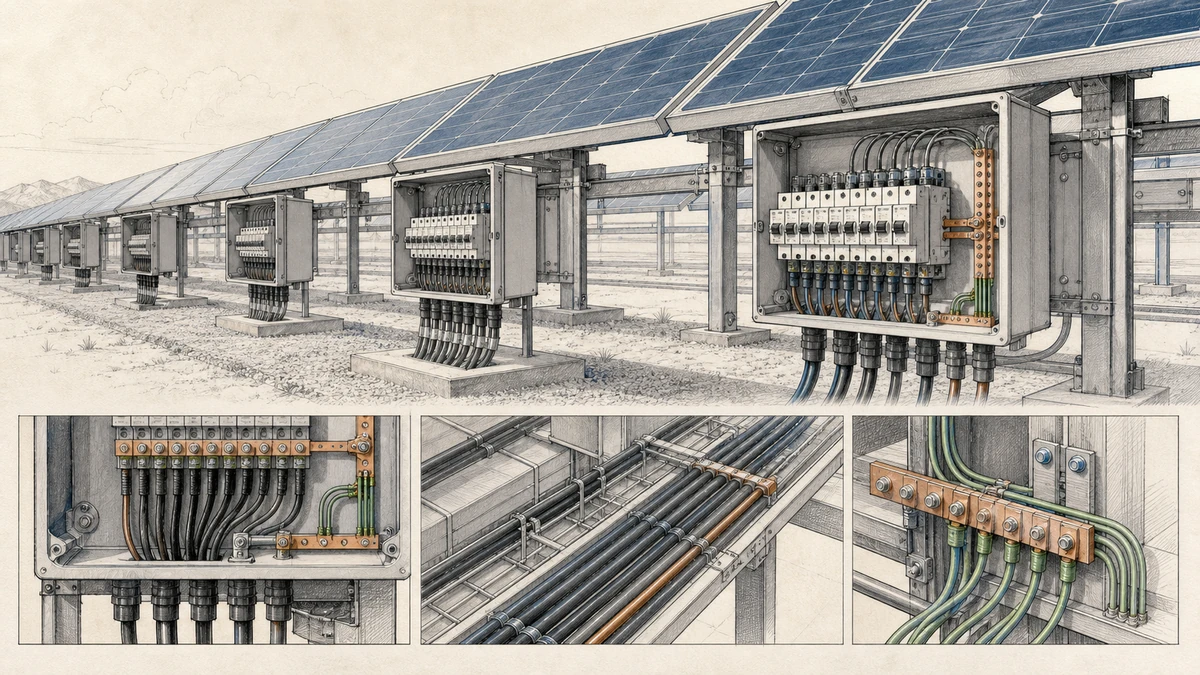
A single project may require different DC circuit breaker ratings at different points:
Each position should have its own voltage and fault-current basis.
Assume a DC distribution panel has the following design conditions:
A weak specification would say:
> Provide 500 V DC circuit breaker with high breaking capacity.
A better specification would say:
> Provide IEC 60947-2 DC circuit breaker rated for 500 V DC minimum. Rated ultimate short-circuit breaking capacity Icu shall be not less than 18 kA at 500 V DC. Rated service short-circuit breaking capacity Ics shall be declared at 500 V DC and shall be not less than 18 kA, or 100% of Icu where listed in the project schedule. Supplier shall submit datasheet evidence showing Icu, Ics, and Ics percentage of Icu.
This wording makes the comparison clear and reduces the chance of receiving a technically incomplete offer.
Before requesting quotations for a DC circuit breaker, prepare the following:
Ask each supplier to provide:
The lowest-price breaker may not be the best match if its Ics is much lower than the required service breaking level. Procurement comparison should separate:
Both are important, but they answer different questions. Icu confirms the rated ultimate short-circuit breaking capacity, while Ics confirms the rated service short-circuit breaking capacity. For minimum safety selection, Icu must be checked against the prospective short-circuit current. For stronger service continuity requirements, Ics should also meet or exceed the prospective short-circuit current at the specified DC voltage.
No. AC and DC breaking capacities are not interchangeable. DC interruption is more difficult because there is no natural current zero crossing. The procurement specification should require Icu and Ics values declared specifically at the required DC voltage.
It should state the applicable standard, maximum DC voltage, prospective short-circuit current at the installation point, required Icu, required Ics or Ics percentage, pole configuration, and documentation requirements. It should also require the supplier to declare the voltage and capacity basis used, so all bids can be compared consistently.