Adresse
304 North Cardinal
St. Dorchester Center, MA 02124
Heures de travail
Du lundi au vendredi : de 7h00 à 19h00
Le week-end : 10H00 - 17H00
Adresse
304 North Cardinal
St. Dorchester Center, MA 02124
Heures de travail
Du lundi au vendredi : de 7h00 à 19h00
Le week-end : 10H00 - 17H00

Choosing the correct MCOV is one of the most important steps in DC SPD selection for photovoltaic systems. For PV surge protection, MCOV is commonly expressed as UCPV: the maximum continuous operating voltage that a DC SPD can withstand on the PV side without degrading under normal service conditions.
For installers, EPC engineers, panel builders, and inverter system designers, correct dc spd mcov selection is especially critical in 1000V and 1500V PV systems. A 1000V DC SPD and a 1500V DC SPD may look similar, but they are not interchangeable. The SPD voltage rating must match the actual PV system voltage, string design, temperature conditions, earthing arrangement, inverter topology, and applicable protection requirements.
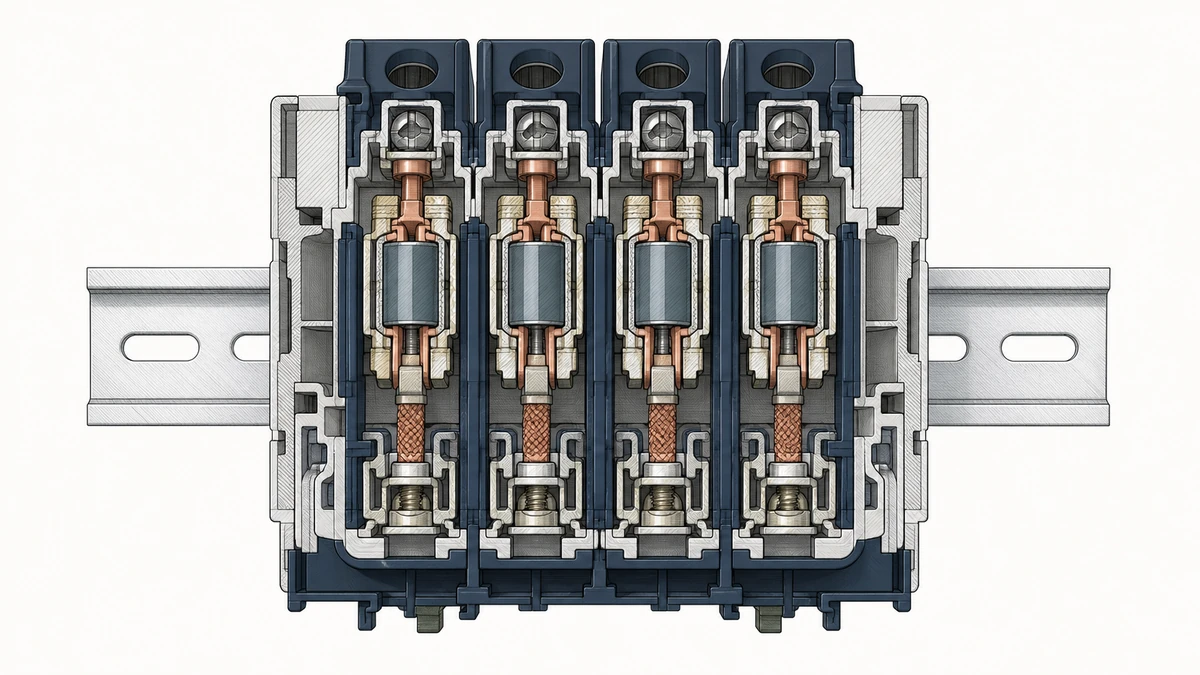
In a PV installation, the DC side can remain energized whenever sunlight is available. Unlike many AC circuits, PV strings may continue producing voltage even when downstream equipment is switched off. This makes voltage withstand capability a core safety parameter for any DC SPD.
For PV surge protective devices, the key rating is often shown as UCPV, meaning the maximum continuous PV voltage. In practical terms, it answers this question:
Can the SPD remain connected to the PV array continuously without being overstressed by the highest possible DC voltage?
If the answer is no, the SPD may age prematurely, disconnect internally, fail its thermal protection, or create a safety risk. If the rating is selected too high without considering protection level, the system may receive less effective voltage limitation than expected. MCOV selection is therefore a balance between withstand voltage and protective performance.
A PV SPD with UCPV = 1000 V DC is intended for systems whose maximum PV-side voltage stays within that limit. A PV SPD with UCPV = 1500 V DC is designed for higher-voltage PV arrays.
IEC 61643-31 covers SPDs on the DC side of PV installations rated up to 1500 V DC and defines performance, safety, testing, and rating requirements for PV-specific SPDs. IEC 61643-32 then provides selection, installation, and coordination principles for PV systems up to 1500 V DC. Together, these standards make clear that voltage rating is essential, but it is only one part of complete DC SPD selection.
Industry selection guides also separate PV SPD variants by UCPV, such as 1000 V DC and 1500 V DC versions. This separation is important: two products can both be “PV SPDs” while still being suitable for different maximum continuous PV voltages.
The starting point for dc spd mcov selection is the highest possible open-circuit voltage of the PV string, not only the nominal system voltage.
PV string voltage rises when module temperature falls. A string that appears safe at standard test conditions may exceed its expected voltage during cold mornings or winter operation.
A simplified selection process is:
1. Identify the module open-circuit voltage, Voc, from the module data sheet.
2. Confirm the number of modules in series per string.
3. Apply the module temperature coefficient for Voc.
4. Calculate the maximum cold-condition string voltage.
5. Select a DC SPD whose UCPV is equal to or higher than that maximum value.
6. Verify the SPD is approved for PV DC use and for the intended system voltage class.
The SPD should not be selected only from the inverter label or from the marketing name of the system. A “1000V system” still needs verification against real string voltage. A “1500V system” requires an SPD specifically rated for 1500 V DC PV operation.
For a 1000V PV array, the calculated maximum string voltage must remain below the SPD’s UCPV. If the cold-condition maximum PV voltage approaches or exceeds 1000 V DC, a 1000 V DC SPD is not appropriate.
A typical 1000V selection check includes:
UCPV, commonly 1000 V DC for suitable systemsHaut de la page, relative to equipment withstand voltageFor a 1500V PV array, the SPD must be designed and tested for PV DC service at that voltage class. A 1000 V DC SPD must not be used simply because it is a DC SPD or because it is labeled for photovoltaic applications.
A typical 1500V selection check includes:
UCPV = 1500 V DC where required by design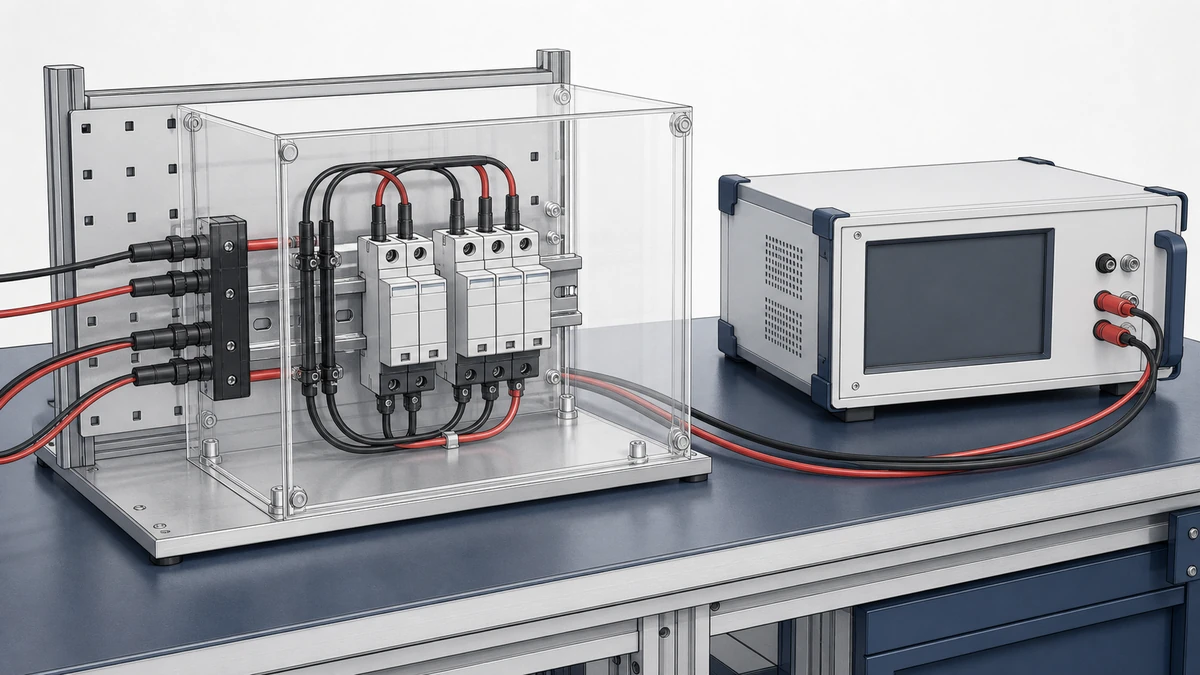
IEC 61643-32 addresses selection, installation, and coordination of SPDs in PV systems. That matters because MCOV alone does not define whether a DC SPD is correct for a project.
DC SPDs for PV applications are generally selected according to site exposure and lightning protection requirements.
Type 2 DC SPDs are commonly used for induced surge protection in PV systems. Type 1 or Type 1+2 SPDs may be required where the building has an external lightning protection system, where direct lightning current must be considered, or where local regulations and risk assessment call for higher discharge capability.
Key ratings to compare include:
En: nominal discharge currentImax: maximum discharge current for Type 2 devicesIimp: impulse current for Type 1 devicesHaut de la page: voltage protection levelUCPV: maximum continuous PV voltageIscpv: PV short-circuit current withstand capabilityA higher UCPV rating does not automatically mean better protection. The voltage protection level, Haut de la page, indicates the residual voltage that protected equipment may experience during a surge event. For effective protection, the SPD’s Haut de la page should coordinate with the withstand level of the inverter, monitoring equipment, combiner box electronics, and other connected devices.
For example, selecting a 1500 V DC SPD for a 1000 V system without engineering justification may reduce protection effectiveness if the protection level is unnecessarily high. Correct selection means the SPD can survive continuous voltage while still limiting surge voltage to an acceptable level.
PV systems may use different earthing and insulation arrangements depending on inverter design and local code requirements. The SPD connection mode must be suitable for the system topology.
Common considerations include:
The correct Sinobreaker DC SPD should therefore be selected from the actual project wiring diagram, not only from the PV system voltage.
Surge protection is most effective when installed at the correct locations and coordinated across the PV system.
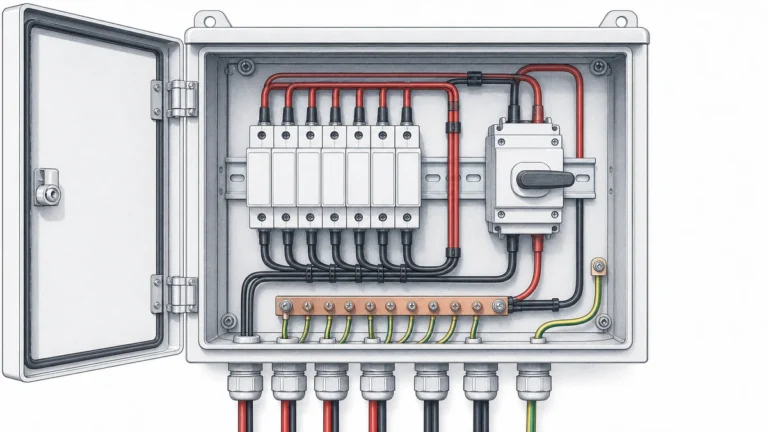
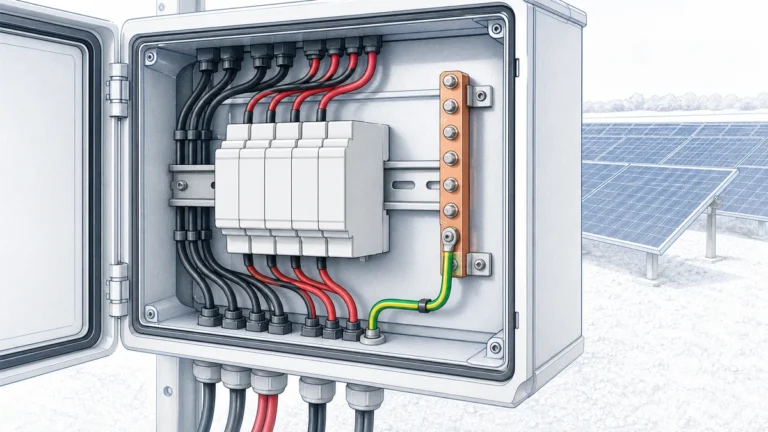
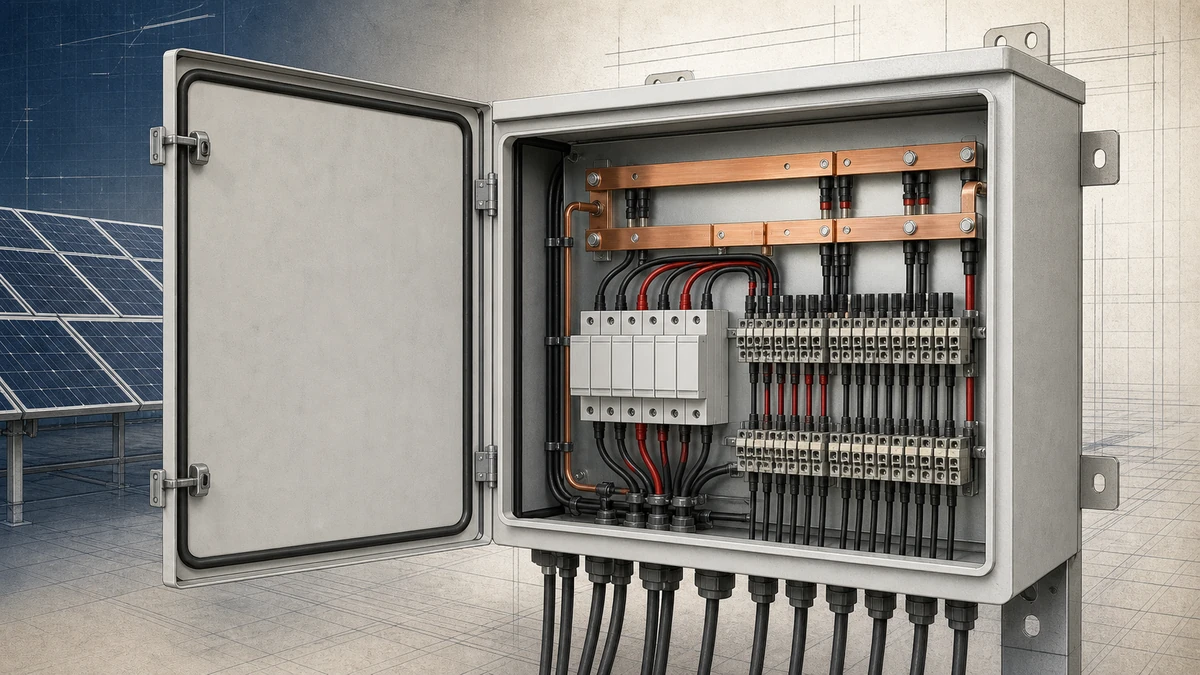
DC SPDs are often installed in PV combiner boxes, DC distribution cabinets, or near inverter DC inputs. The objective is to limit transient overvoltage before it reaches sensitive inverter electronics.
Good installation practice includes:
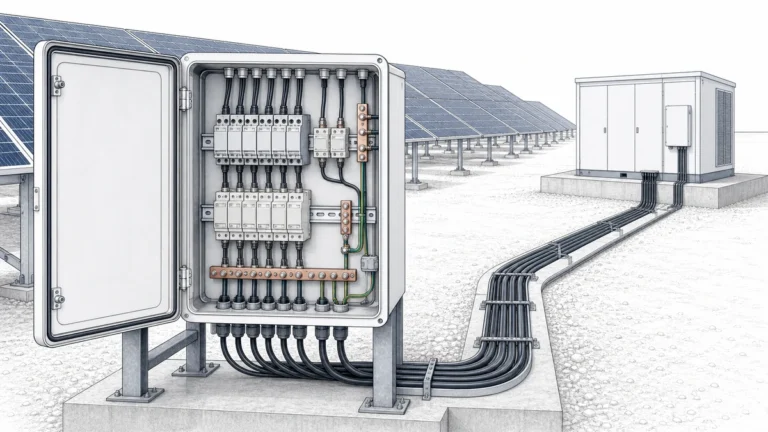
Long cable runs between arrays and inverters increase surge exposure. In larger PV plants, SPDs may be required at more than one location to maintain effective protection.
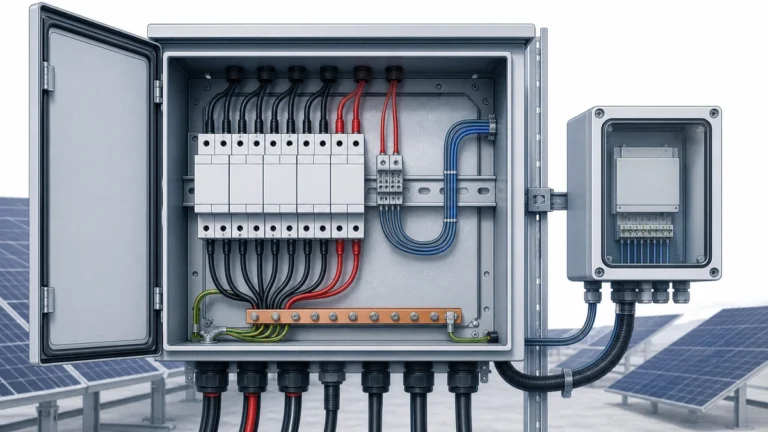
Where several MPP trackers or inverters are used, each input path must be evaluated separately. Published PV SPD selection guidance notes that each tracker should be configured separately and that a separate SPD may be required for each MPP tracker or inverter.
This is especially important when:
Exact topology, earthing arrangement, UCPV, protection level, short-circuit rating, and backup protection must be verified from the selected SPD data sheet and project design.
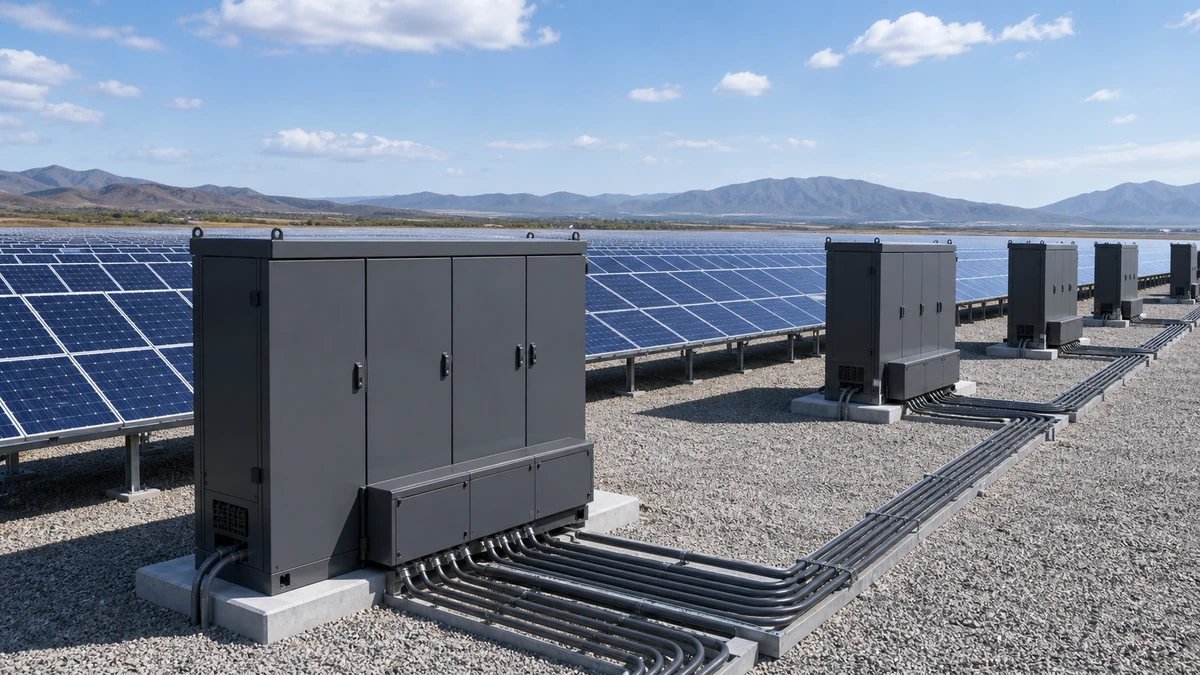
For Sinobreaker DC SPD projects, the following checklist can help avoid common specification errors.
First, confirm whether the PV system is designed around 1000 V DC or 1500 V DC maximum input voltage. Then verify actual string voltage calculations under cold conditions.
Select:
UCPVDo not select a 1000 V DC SPD for a 1500 V DC array.
The SPD must be suitable for the available PV short-circuit current at its installation point. Check the selected model’s Iscpv rating and any required external backup protection.
This matters because PV sources behave differently from conventional AC fault sources. The SPD’s internal disconnector and the external protective device must operate safely under DC conditions.
Some DC SPDs require external fuses or breakers, while others may be used without additional backup protection under specified current limits. The correct requirement depends on the SPD design and project fault-current conditions.
Always check:
In commercial and utility PV systems, remote signaling is often useful because SPDs may be installed in outdoor combiner boxes or distributed inverter stations. A signal contact can report SPD status to monitoring systems, helping maintenance teams identify modules that need replacement after surge events or end-of-life disconnection.
For maintainability, consider:
Incorrect MCOV selection can cause nuisance failures, unsafe operation, or poor surge protection performance.
The most common mistake is selecting the SPD from the nominal system label only. PV voltage must be calculated at the lowest expected module temperature. If the string’s cold-condition voltage exceeds the SPD’s UCPV, the SPD is underspecified.
A PV label does not mean the SPD is suitable for every PV voltage class. A 1000 V DC version and a 1500 V DC version are different product selections. They must be matched to the actual array voltage and inverter input requirements.
Multiple MPPT inputs are not always protected by one SPD. If trackers are separate, routed differently, or connected through independent inputs, each may require its own SPD. This must be checked against the inverter design and site wiring.
Selecting only by UCPV can lead to poor coordination. The SPD also needs an appropriate Haut de la page value to protect downstream equipment. This is why IEC 61643-32 treats MCOV as part of a wider selection and coordination process.
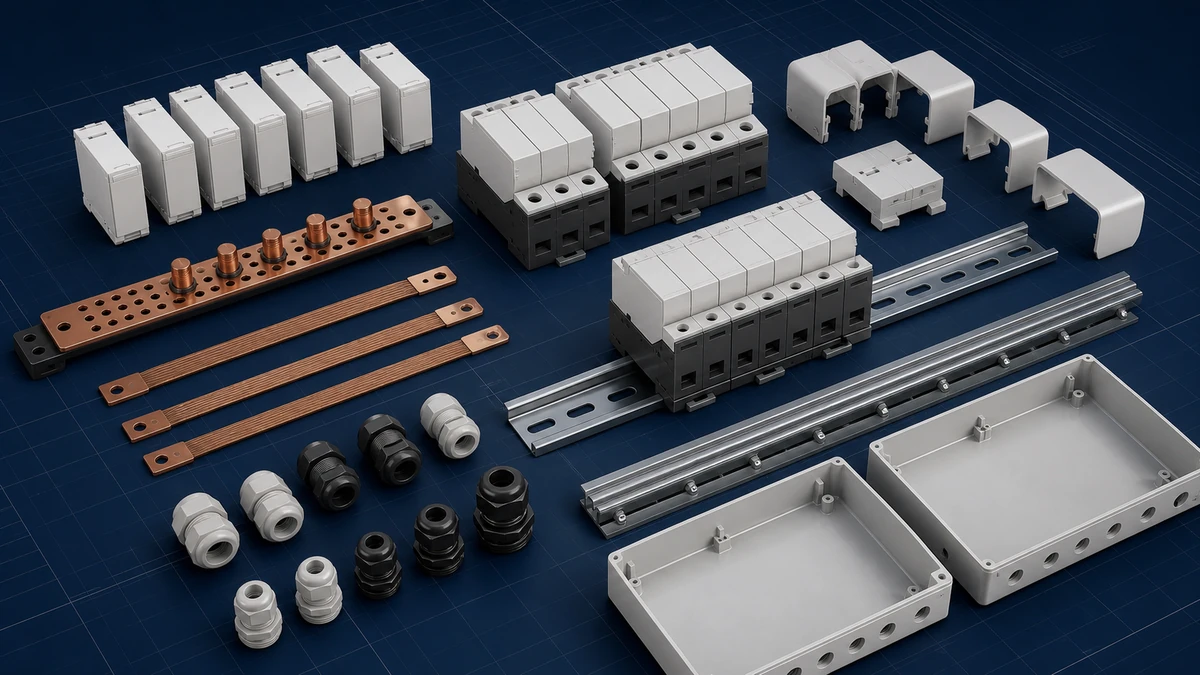
Choose a DC SPD with a UCPV rating equal to or higher than the maximum calculated PV string voltage under the coldest expected site conditions. For many correctly designed 1000V PV systems, this means a 1000 V DC PV SPD, but the final choice must be confirmed against string calculations, inverter limits, SPD data sheet ratings, and local project requirements.
No. A 1000 V DC SPD should not be used in a 1500 V PV system unless the actual maximum PV voltage is proven to remain within the SPD’s rated UCPV, which is generally not the case for true 1500V system designs. A 1500V PV array requires a DC SPD rated for the required 1500 V DC continuous PV voltage.
No. MCOV or UCPV is essential, but it is not the only requirement. A complete DC SPD selection must also check SPD type, discharge current rating, impulse current rating if needed, voltage protection level, PV short-circuit current rating, backup protection, earthing arrangement, MPPT layout, installation location, and compliance with the applicable PV surge protection standards.