Indirizzo
304 Nord Cardinale
St. Dorchester Center, MA 02124
Orario di lavoro
Da lunedì a venerdì: dalle 7.00 alle 19.00
Fine settimana: 10.00 - 17.00
Indirizzo
304 Nord Cardinale
St. Dorchester Center, MA 02124
Orario di lavoro
Da lunedì a venerdì: dalle 7.00 alle 19.00
Fine settimana: 10.00 - 17.00

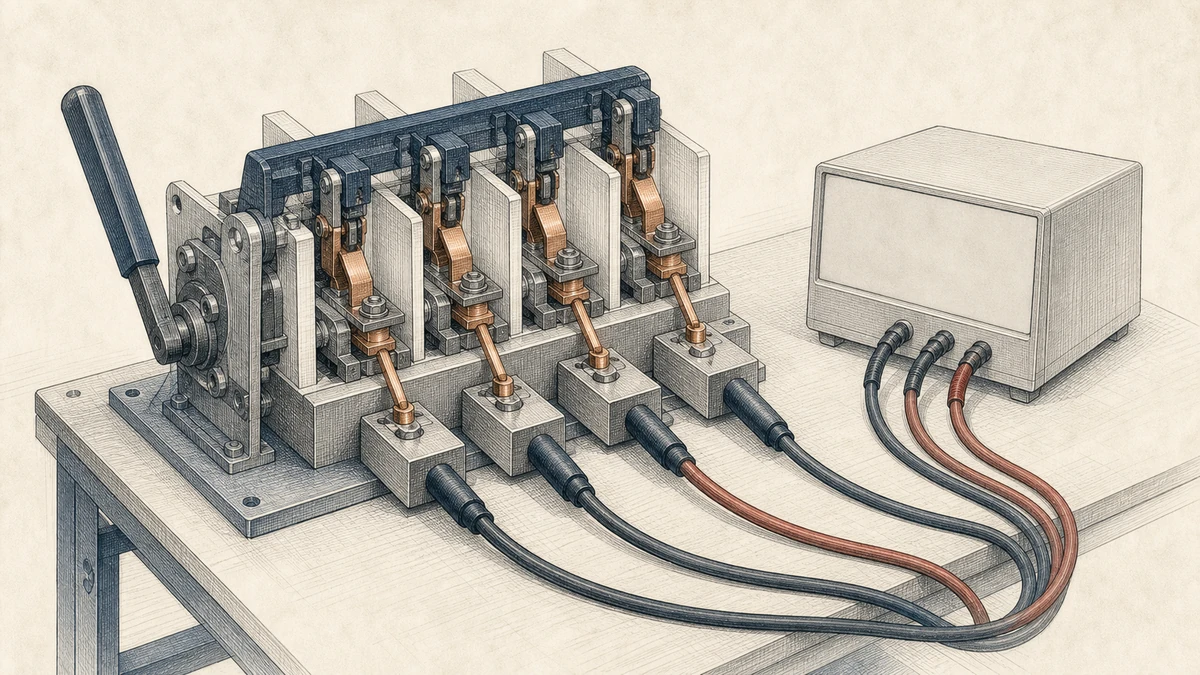
A reliable **dc switch contact resistance test** helps confirm that a DC Switch Disconnector can carry current with low losses, stable temperature rise, and dependable isolation performance. For Sinobreaker DC Switch Disconnectors, the test should be treated as a documented acceptance and maintenance activity—not as a one-number judgment made without reference to the product rating, installation conditions, or applicable standard.
IEC 60947-3 covers switches, disconnectors, and switch-disconnectors used in distribution and motor circuits within its defined voltage scope. That means acceptance testing should remain tied to the exact Sinobreaker product documentation, nameplate rating, project specification, and applicable standard requirements rather than a generic resistance value copied from another device type or manufacturer.
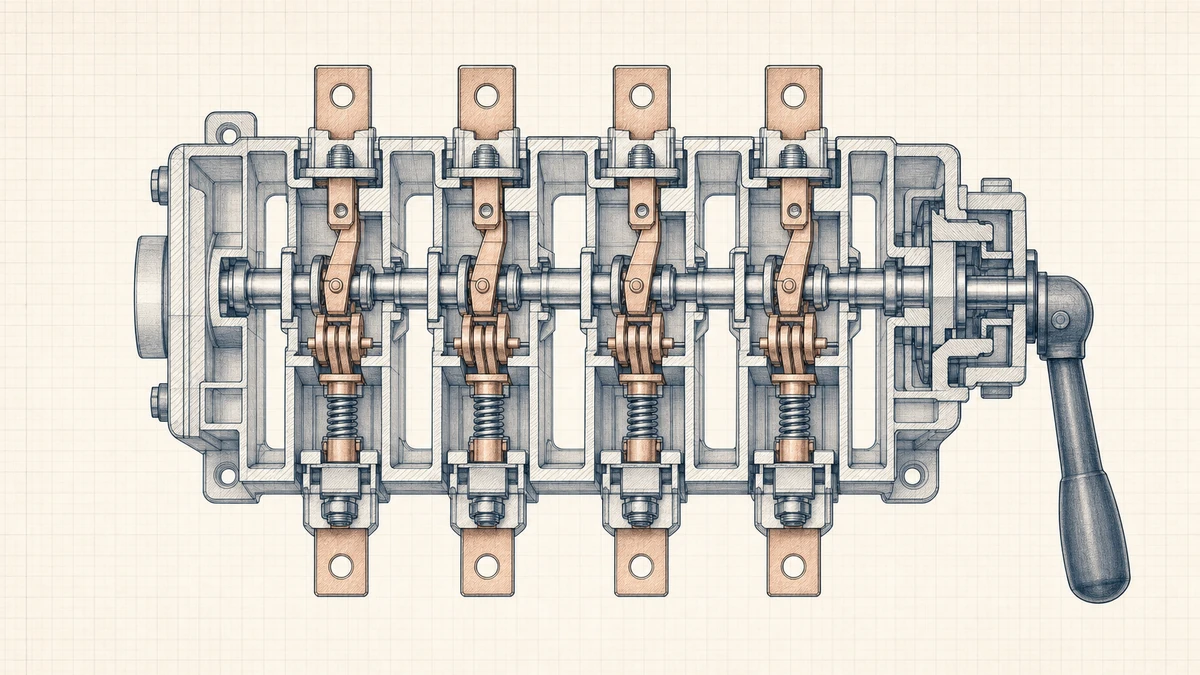
Contact resistance is the small electrical resistance across the main current path when the contacts are closed. In a DC Switch Disconnector, excessive contact resistance can cause localized heating, voltage drop, efficiency loss, and accelerated contact degradation.
For DC systems, this issue is especially important because many applications carry continuous current for long periods. A slightly degraded contact surface may not fail immediately, but it can create heat at the contact interface and gradually reduce service life.
A dc switch contact resistance test measures the resistance of the closed conductive path, usually from terminal to terminal across each pole. The result is typically recorded in micro-ohms or milliohms, depending on the product size and test instrument.
The test does not directly prove insulation performance, breaking capacity, or mechanical endurance. Instead, it indicates the condition of the closed current path and helps detect problems such as:
DC current does not pass through zero naturally, so DC switching devices are designed with specific contact geometry, arc control, and operating characteristics. However, contact resistance testing is normally performed with the switch in the closed position and no load switching occurring.
That means the test is useful for evaluating the closed conduction path, but the result must be interpreted together with mechanical checks, operating condition, visual inspection, and the Sinobreaker product documentation.
Acceptance testing is normally performed after installation and before energizing the system. The goal is to confirm that the DC Switch Disconnector was not damaged during transport, storage, installation, cabling, or commissioning.
For Sinobreaker DC Switch Disconnectors, acceptance testing should verify both the electrical path and the mechanical readiness of the device.
A common mistake is to ask for one universal pass/fail contact resistance number. That approach is risky because contact resistance depends on rating, frame size, pole structure, terminal design, contact material, test current, temperature, and measurement location.
IEC 60947-3 defines the product category scope for switches, disconnectors, and switch-disconnectors, but acceptance should still be tied to:
If a project requires a maximum value, it should be stated in the approved technical documentation for that exact DC Switch Disconnector. If no fixed field limit is provided, the best practice is to compare results between poles and establish a baseline for future maintenance.
A useful acceptance record should include more than the resistance reading alone. At minimum, record:
This creates a baseline for future maintenance. A single reading may be less valuable than a consistent record that allows future comparison.
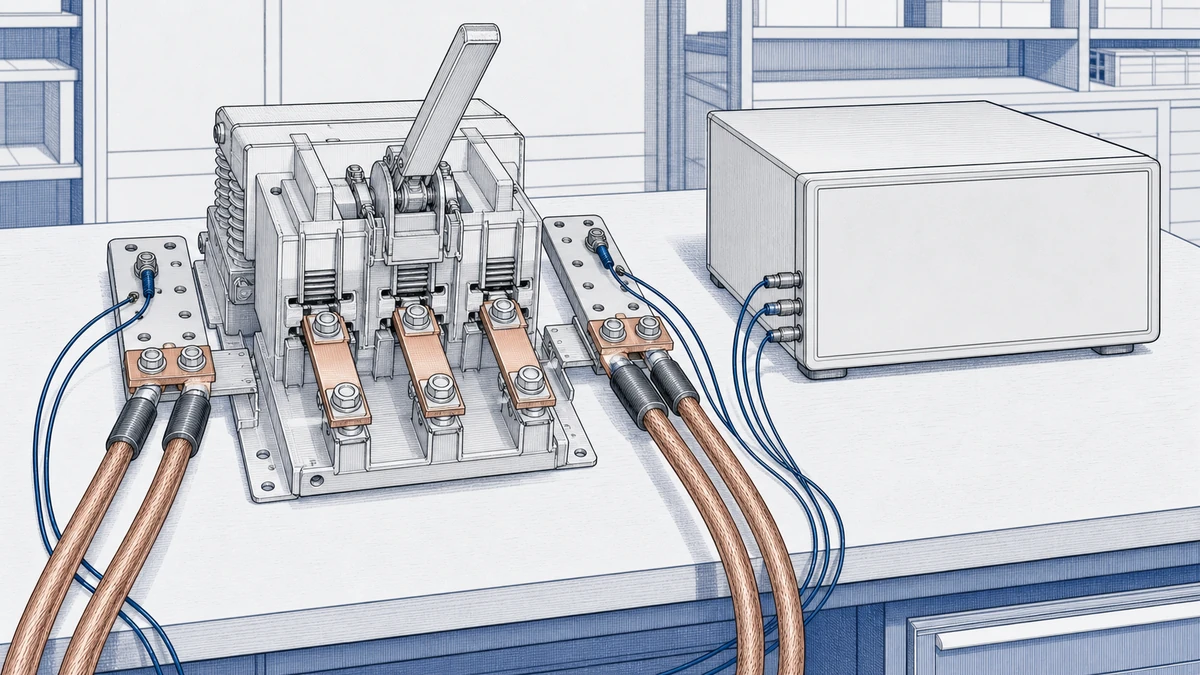
The preferred method is usually a low-resistance measurement using a micro-ohmmeter with a four-wire Kelvin connection. The four-wire method separates the current leads from the voltage sensing leads, reducing the influence of test lead resistance.
Before any contact work or low-resistance measurement, isolate the circuit and follow the site safety procedure. Maintenance guidance for electrical switching equipment commonly requires lockout/tagout and grounding precautions before contact access or service work.
For a Sinobreaker DC Switch Disconnector, the technician should confirm:
Contact resistance testing should never be used as a substitute for safe isolation.
Before connecting the test leads, perform a visual and mechanical inspection. Look for discoloration, looseness, deformation, contamination, moisture, cracked insulation, or signs of overheating.
Also confirm that the handle or operating mechanism fully reaches the ON position. If the device is not fully closed, the resistance reading may be misleading.
Place the current and voltage leads consistently for each pole. The measurement points should match the intended acceptance or maintenance procedure.
For example, if the goal is to test the complete pole path, measure terminal-to-terminal across the closed pole. If the goal is to investigate a suspected joint, measure across the specific connection.
Avoid changing lead positions between poles unless the record clearly states the difference. Inconsistent lead placement is one of the most common causes of confusing test results.
Measure and record each pole individually. For multi-pole DC Switch Disconnectors, compare pole-to-pole readings under the same test setup.
A significant difference between poles may indicate a connection issue, contact wear, contamination, or uneven mechanical pressure. However, the final judgment should still refer to the Sinobreaker documentation and project acceptance requirements.
Before energizing, check that terminals, busbar joints, and connection hardware are tightened to the specified torque. Maintenance guidance for switching equipment emphasizes proper torque checks before energization because a loose joint can create high resistance and dangerous heating even when the internal contact condition is acceptable.
Use calibrated torque tools and record the result when required by the commissioning plan.
Contact resistance testing is most powerful when readings are compared against a known reference. A documented trend-and-comparison approach is more reliable than treating one isolated reading as a universal pass/fail value.
Use the most relevant comparison available:
If the reading is higher than expected, do not immediately assume the DC Switch Disconnector has failed. First confirm the test current, lead placement, contact cleanliness, terminal torque, instrument calibration, and temperature conditions.
For a multi-pole DC Switch Disconnector, one pole reading much higher than the others deserves investigation. Possible causes include:
A repeated abnormal reading after retesting should be treated as a maintenance finding and evaluated before energization.
Resistance changes with temperature. Even small differences in ambient or conductor temperature can affect low-resistance measurements. For this reason, test records should include temperature and test conditions.
If a comparison is being made against previous data, try to repeat the test under similar conditions. If that is not possible, note the difference clearly in the maintenance record.
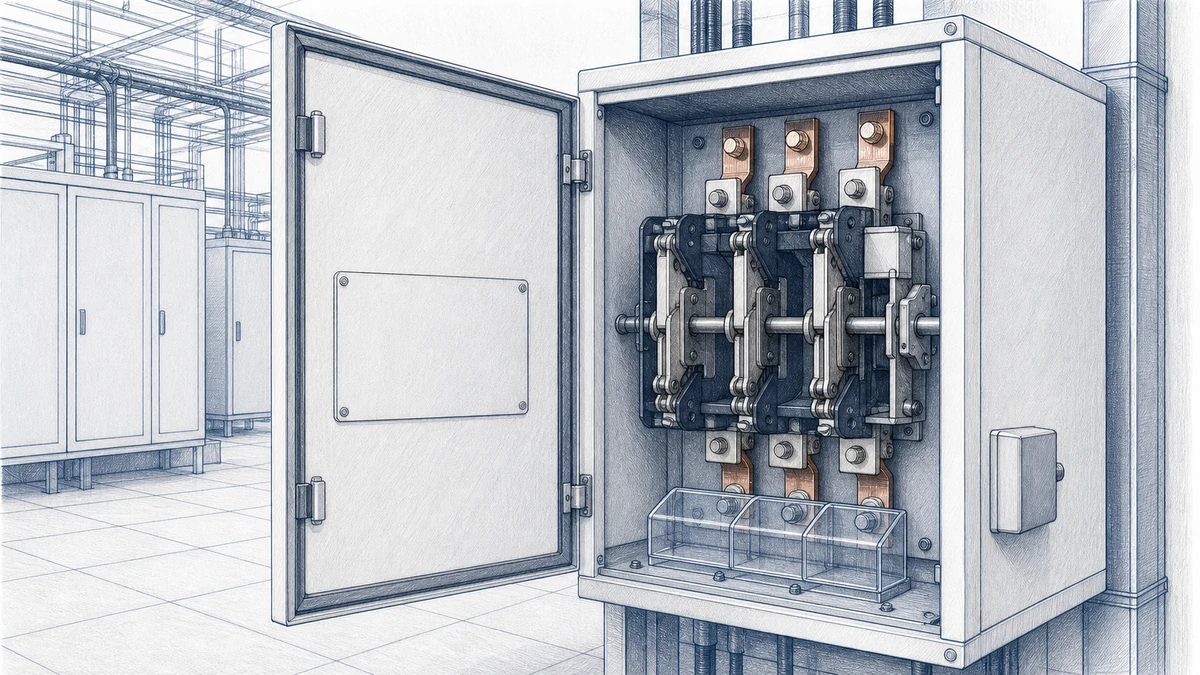
Maintenance frequency should reflect the actual service environment and operating duty. Published switch-disconnector maintenance guidance states that the real maintenance schedule depends on environmental conditions and the number and characteristics of operations. Severe environmental conditions or abnormal operation should shorten the inspection interval.
For a Sinobreaker DC Switch Disconnector, maintenance planning should consider:
A dc switch contact resistance test is typically useful:
The frequency should increase when the installation is exposed to severe environmental conditions, frequent operation, or abnormal service events.
After a possible short-circuit, the DC Switch Disconnector should not be returned to service based only on one resistance reading. Maintenance guidance for switch-disconnectors calls for overall mechanical and electrical quality checks after such events, with particular attention to the main contacts.
Recommended checks include:
If there is visible damage, abnormal operation, or unstable test results, replace or service the device according to Sinobreaker guidance and project safety requirements.
High contact resistance is often caused by installation or environmental factors rather than the switch mechanism alone. Investigating the full current path helps avoid replacing a healthy device while leaving the real problem unresolved.
A loose terminal can produce heat and a high resistance reading. Always confirm torque using the specified value and method. Do not rely on visual tightness.
Dust, moisture, chemical vapors, and oxidation can affect exposed conductive surfaces. In harsh environments, inspection and cleaning intervals should be shortened.
Frequent operation, especially under demanding duty, can gradually affect contact surfaces. Compare current test results with the commissioning baseline and previous maintenance records.
If the operating mechanism does not fully close the contacts, the resistance may rise. Mechanical checks are essential when one pole reads higher than the others or when readings are unstable between repeated tests.
Discoloration, insulation hardening, odor, or deformation may indicate overheating. In this case, contact resistance testing should be part of a broader investigation, not the only decision point.
A contact resistance test is only valuable if the result can be trusted and compared later. Poor records make future maintenance decisions harder.
The first acceptance test should become the baseline for that specific Sinobreaker DC Switch Disconnector. Store the data with the project file, including the test method and lead placement.
For maintenance, repeat the same measurement points whenever possible. Trending becomes less useful if technicians measure from different locations each time.
If a high reading is corrected by cleaning, tightening, or replacing a connection, record both the before-and-after results. This helps identify recurring issues and supports future maintenance planning.
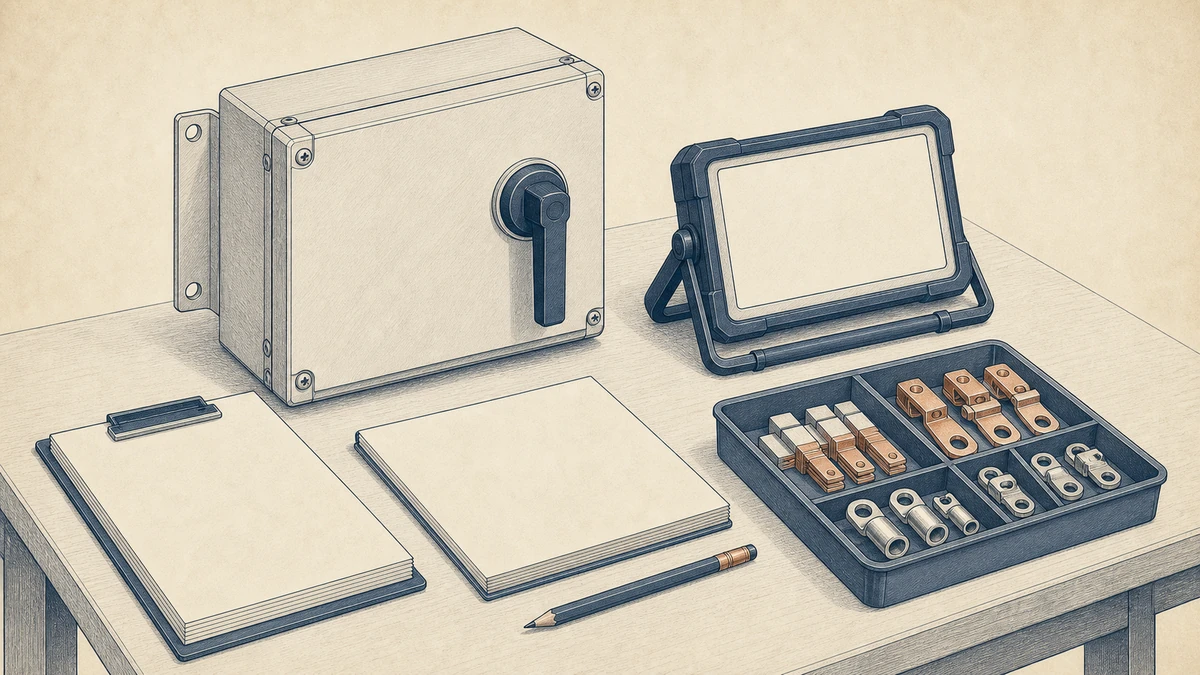
Use this checklist as a practical structure, while following the approved Sinobreaker documentation and site safety procedures.
| Item | Acceptance Test | Maintenance Test |
|—|—:|—:|
| Confirm model, rating, and documentation | Yes | Yes |
| Apply lockout/tagout and verify isolation | Yes | Yes |
| Inspect enclosure, terminals, and mechanism | Yes | Yes |
| Confirm full open/close operation | Yes | Yes |
| Measure contact resistance pole by pole | Yes | Yes |
| Compare with approved criteria or baseline | Yes | Yes |
| Check terminal torque before energization | Yes | Yes |
| Record temperature and test current | Yes | Yes |
| Investigate abnormal pole differences | Yes | Yes |
| Increase frequency after severe service | Not applicable | Yes |
There is no universal value that applies to every DC Switch Disconnector. The acceptable result should come from the Sinobreaker product documentation, project specification, applicable standard, or approved commissioning criteria. If no fixed value is provided, compare poles under the same test conditions and trend the result against the commissioning baseline.
The interval depends on environment, load, operation frequency, and abnormal events. Severe humidity, dust, corrosion, vibration, high temperature, frequent operation, or fault history should increase the maintenance frequency. A test should also be considered after short-circuit events, overheating, connection work, or long storage.
No. Contact resistance testing confirms the condition of the closed current path, but it does not replace visual inspection, mechanical checks, torque verification, insulation checks where required, and proper lockout/tagout procedures. Before energization, the full Sinobreaker installation and maintenance procedure should be completed.