Indirizzo
304 Nord Cardinale
St. Dorchester Center, MA 02124
Orario di lavoro
Da lunedì a venerdì: dalle 7.00 alle 19.00
Fine settimana: 10.00 - 17.00
Indirizzo
304 Nord Cardinale
St. Dorchester Center, MA 02124
Orario di lavoro
Da lunedì a venerdì: dalle 7.00 alle 19.00
Fine settimana: 10.00 - 17.00

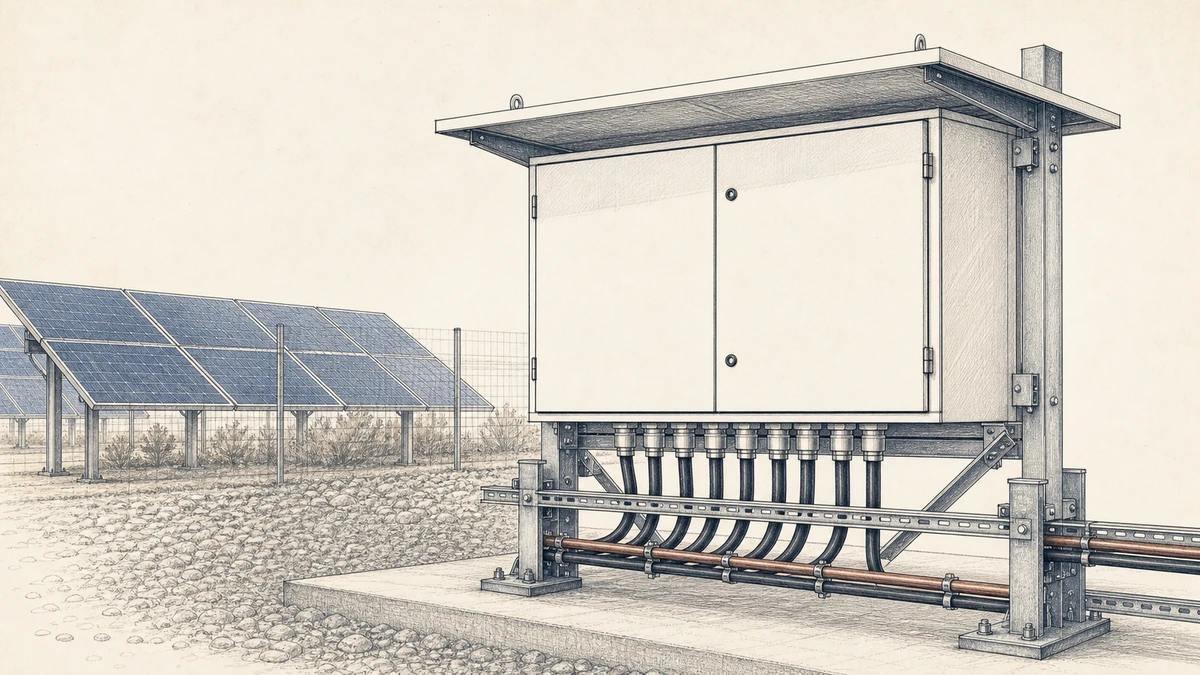
When buyers search for an **iec 61439 distribution box**, they are usually looking for more than a weatherproof enclosure. They need confidence that the complete low-voltage assembly—enclosure, devices, conductors, terminals, protective arrangements, ratings, and installation conditions—has been specified and verified for its intended use.
For Sinobreaker, this distinction is important. A Waterproof Distribution Box can provide environmental protection for electrical distribution equipment, but IEC 61439 conformity is assessed at the assembly level, not by assuming that one rated enclosure or component makes the whole distribution box compliant.
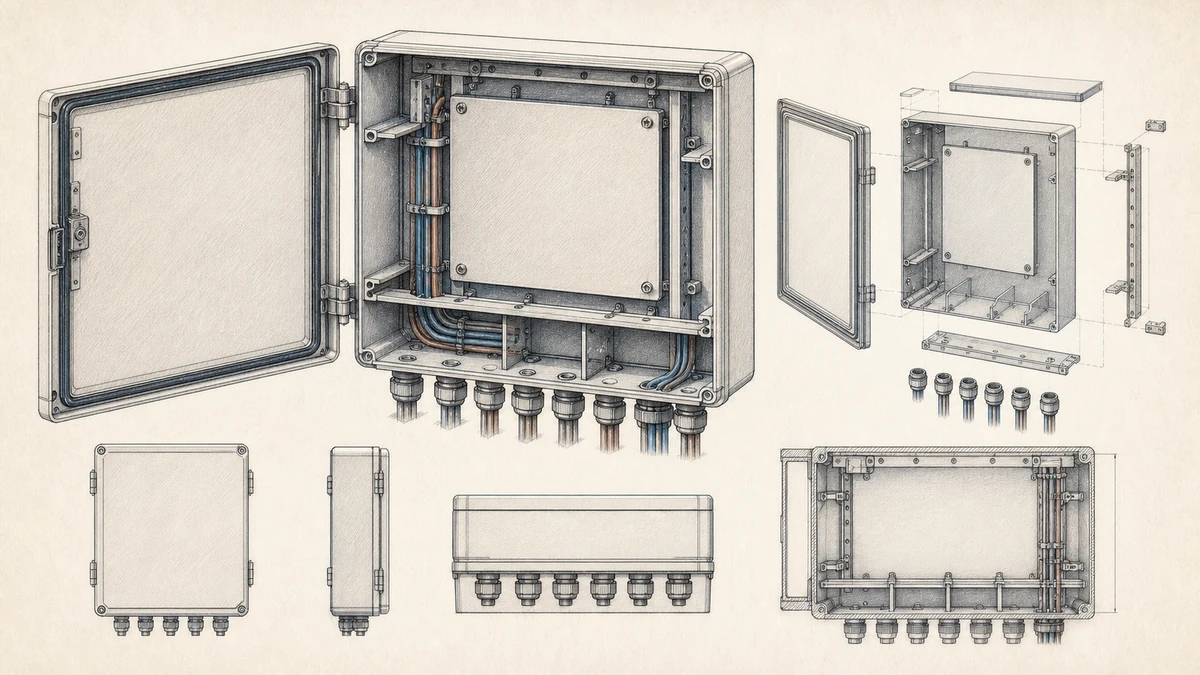
IEC 61439 is the key international standard series for low-voltage switchgear and controlgear assemblies. According to IEC 61439-1:2020, Part 1 provides general definitions, service conditions, construction requirements, technical characteristics, and verification requirements.
For a waterproof distribution box, this means the enclosure’s IP rating is only one part of the compliance picture. The final assembly may also need to consider:
A box that protects components from dust and water is not automatically an IEC 61439 assembly. The complete configuration must be assessed against the relevant IEC 61439 product part together with IEC 61439-1.
A waterproof enclosure may have an IP rating, corrosion-resistance features, UV-resistant materials, or robust mechanical construction. These are valuable for outdoor and humid environments, but they do not prove that the entire distribution assembly meets IEC 61439.
For example, a Waterproof Distribution Box may use:
Each part can have its own rating, but IEC 61439 focuses on how the parts perform together as an assembly.
IEC 61439-1 states that assembly conformity requires the relevant product part of the IEC 61439 series as well as Part 1. Therefore, a distribution box should not be represented as compliant merely because an enclosure, breaker, or terminal block has a separate certification.
For many low-voltage distribution applications, IEC 61439-2:2020 may be relevant because it defines specific requirements for power switchgear and controlgear assemblies. It also includes provisions for photovoltaic-installation assemblies, which may matter when a waterproof distribution box is used in solar or outdoor energy systems.
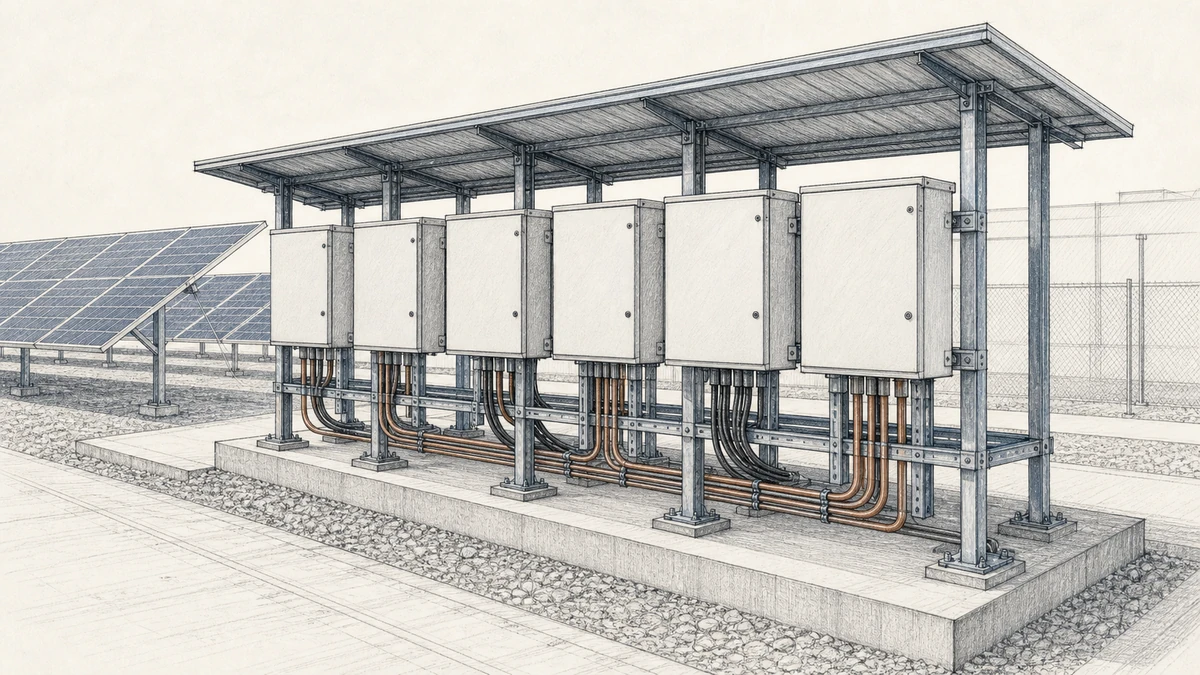
IEC 61439 assessment starts with the intended service conditions. A waterproof distribution box may be installed indoors, outdoors, in industrial areas, near HVAC systems, on machinery, at a solar site, or in a marine-adjacent environment.
Important conditions include:
A Sinobreaker Waterproof Distribution Box should be selected and configured according to the real installation environment, not only according to enclosure size.
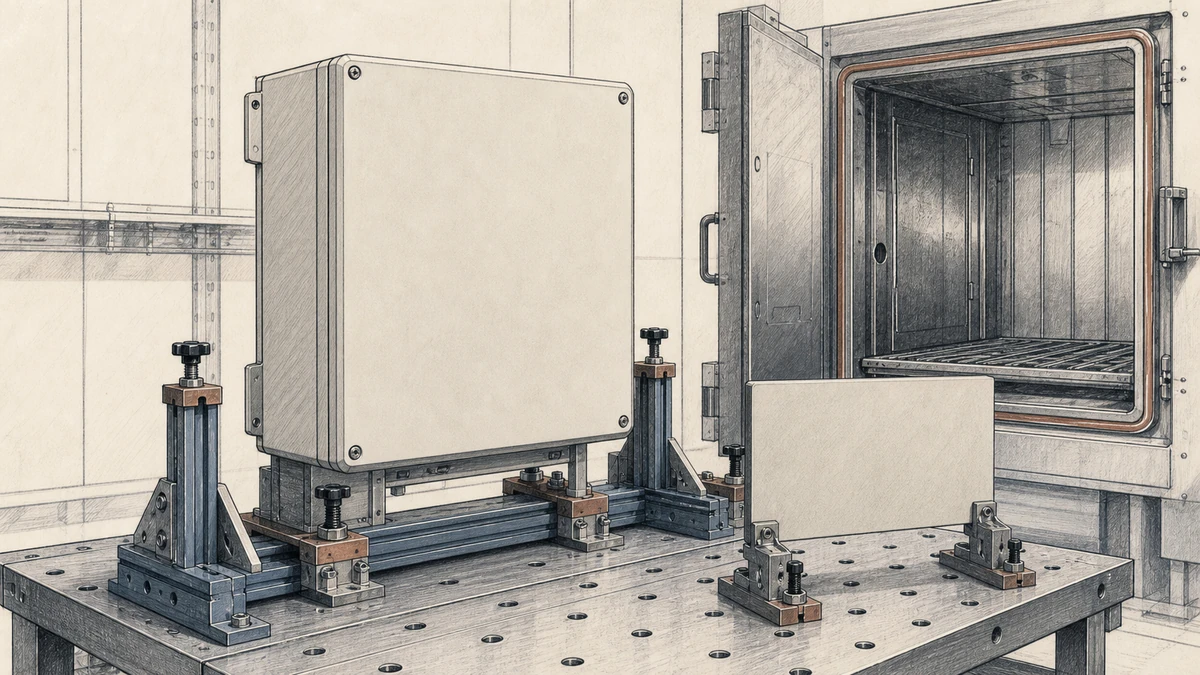
Temperature-rise verification is one of the most important concerns for distribution assemblies. IEC 61439-2 addresses temperature-rise verification, and the actual configuration must be confirmed for the assembly.
A waterproof box can make thermal management more challenging because sealing features that improve ingress protection may also reduce natural ventilation. The final design should consider:
If components are packed too tightly or used near their maximum current rating in a sealed enclosure, internal temperature may exceed acceptable limits. Verification evidence is therefore essential.
An IEC 61439 distribution box assembly must be suitable for the prospective fault level at the installation point. The design should consider rated short-time withstand current, conditional short-circuit current, protective device coordination, and fault containment.
For waterproof distribution boxes used in outdoor power distribution, solar combiner-adjacent circuits, workshops, farms, charging systems, or temporary installations, the short-circuit conditions can vary significantly. The assembly rating should match the upstream supply and protective arrangement.
Waterproof construction does not eliminate electrical insulation requirements. Internal spacing remains critical, especially where humidity, pollution, condensation, or dust may be present.
A compliant assembly design should evaluate:
In a waterproof distribution box, cable entry points and internal routing should not compromise these distances.
The protective circuit must remain reliable under normal operation and fault conditions. For metal enclosures, doors, gland plates, mounting plates, and exposed conductive parts may need suitable protective bonding. For insulated enclosures, the protective conductor system still needs secure terminals and appropriate conductor sizing.
A proper assembly design should verify that protective earth connections are mechanically secure, electrically continuous, and compatible with the expected fault current.
IEC 61439-2 includes requirements related to internal separation. Not every waterproof distribution box needs the same form of separation, but accessibility and safety should be considered during specification.
Relevant questions include:
For compact waterproof distribution boxes, internal separation may be limited by space. This makes early specification important, especially where the user expects safe maintenance access or future circuit expansion.
ABB’s IEC 61439 workbook explains that design verification may be achieved through testing, calculation or measurement, or constructive rules. This aligns with the IEC 61439 approach: the manufacturer needs evidence that the assembly design meets the relevant requirements.
Design verification can cover areas such as:
For Sinobreaker Waterproof Distribution Box projects, the required verification route depends on the final electrical configuration and intended application.
The ABB workbook also states that every marketed assembly requires routine verification. Routine verification is not the same as design verification. It is performed on the finished assembly to check that production and assembly have been completed correctly.
Routine verification may include checks such as:
This is especially important when waterproof boxes are assembled with customer-specific circuits, because each configuration may be different.
If a distribution box is modified outside an original manufacturer’s verified arrangement, responsibility and evidence may shift. Changing busbars, replacing protective devices, altering internal wiring, adding circuits, changing enclosure size, or modifying cable entries can affect temperature rise, short-circuit performance, clearances, and ingress protection.
A verified design should not be treated as a blank approval for all future variations.
IEC TR 61439-0:2022 explains that specifiers provide system and application details so a manufacturer can produce an assembly meeting the intended need. It is guidance for specifying assemblies, not a substitute for design and verification under the relevant IEC 61439 part.
For a Sinobreaker Waterproof Distribution Box, useful specification details include:
The clearer the specification, the easier it is to select the correct enclosure size, internal layout, protection devices, terminals, and verification approach.
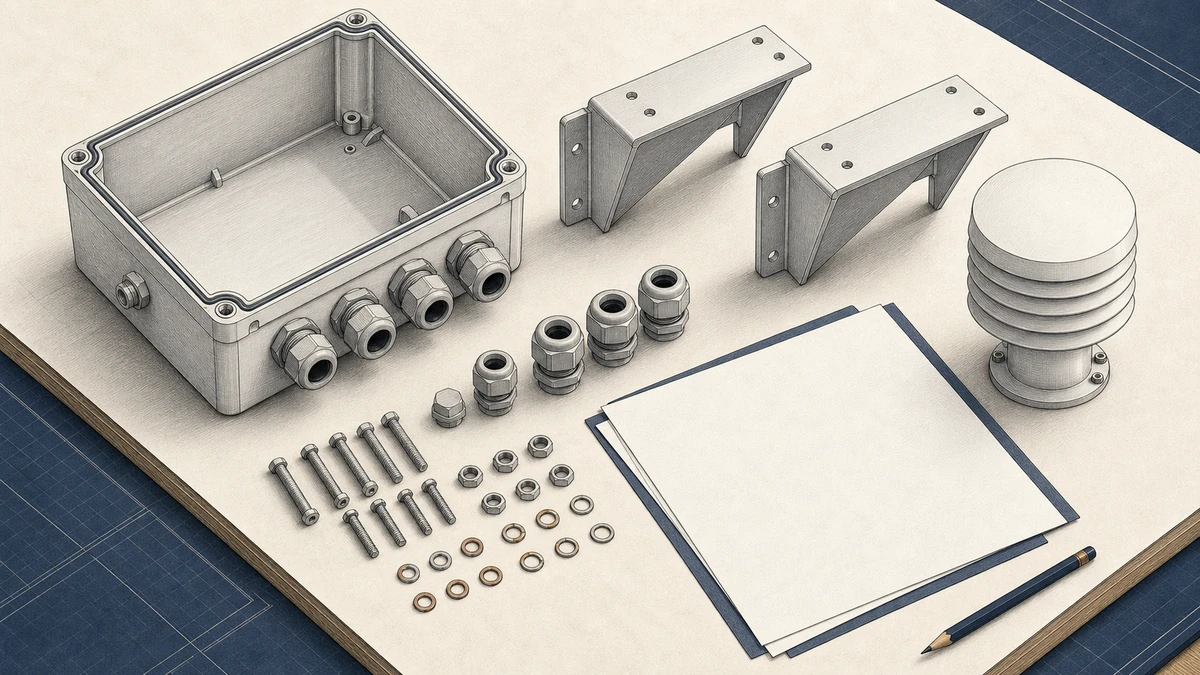
Cable glands, knockouts, plugs, and conduit connections must preserve the required degree of protection. Poor cable entry workmanship can reduce the effective waterproof performance of the distribution box even when the enclosure itself has a high IP rating.
Good practice includes matching cable gland size to cable diameter, using suitable sealing washers, avoiding unnecessary openings, and maintaining strain relief.
A compact box may look efficient, but insufficient internal space can create installation and thermal problems. Adequate wiring space supports safer cable bending, easier maintenance, better airflow, and lower risk of terminal stress.
For an iec 61439 distribution box project, enclosure size should be chosen according to the verified assembly arrangement rather than minimum component fit alone.
A finished assembly should be clearly marked with relevant ratings and identification. Documentation should align with the intended installation and maintenance needs.
Depending on the project, documentation may include:
Clear documentation reduces installation errors and helps prevent later modifications that could invalidate the verified arrangement.
Sinobreaker Waterproof Distribution Boxes may be used in applications such as:
For each application, IEC 61439 considerations should be tied to the actual electrical design, environment, and installation conditions.
No. A waterproof enclosure rating does not make the complete distribution box assembly IEC 61439 compliant. IEC 61439 conformity depends on the complete assembly and the relevant IEC 61439 product part together with IEC 61439-1.
IEC 61439-1 provides general rules, but it must be used with the relevant product part. For many power distribution assemblies, IEC 61439-2 may be relevant. The correct part depends on the actual assembly function, configuration, and application.
Changes may affect verified performance. Replacing devices, adding circuits, altering wiring, changing the enclosure, or modifying cable entries can impact temperature rise, short-circuit withstand, clearances, and ingress protection. Any change outside the verified arrangement should be reviewed with proper responsibility and evidence.