주소
304 북쪽 추기경
세인트 도체스터 센터, MA 02124
근무 시간
월요일~금요일: 오전 7시~오후 7시
주말: 주말: 오전 10시 - 오후 5시
주소
304 북쪽 추기경
세인트 도체스터 센터, MA 02124
근무 시간
월요일~금요일: 오전 7시~오후 7시
주말: 주말: 오전 10시 - 오후 5시


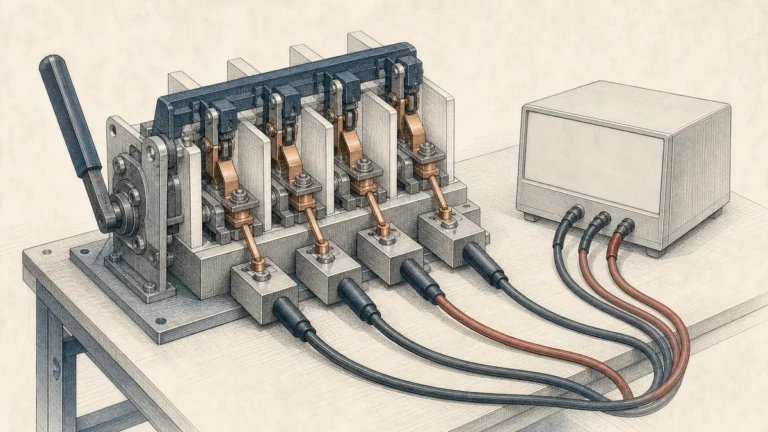
A DC 단로기 스위치 는 수동으로 작동하는 절연 장치로 DC 회로에 물리적 에어 갭을 생성하며, 사양에 따라 부하 상태에서 전류를 안전하게 차단할 수 있는지 또는 작동 전에 전원을 차단해야 하는지 여부가 결정됩니다. 부하 차단과 비부하 차단 사양의 중요한 차이점을 이해하면 치명적인 아크 플래시 사고와 장비 손상을 방지하고 태양광 발전, 배터리 저장 및 산업용 DC 전력 애플리케이션에 대한 규정을 준수하는 시스템 설계를 보장할 수 있습니다.
이 사양 중심 가이드는 시스템 설계자, 조달 엔지니어 및 전기 계약업체가 부하 차단 기능, 전압/전류 정격, 환경 인클로저 요구 사항 및 인증 표준을 분석하여 올바른 DC 단로기를 선택하는 데 도움을 줍니다. IEC 60947-3 활용 범주(DC-20, DC-21, DC-22, DC-23)를 디코딩하고, NEMA 1-4X 인클로저 사양을 비교하며, 다음과 일치하는 결정 매트릭스를 제공합니다.
사양을 애플리케이션 요구 사항과 연결하지 않습니다.
전류 범위가 30A~1200A인 600V~1500V DC 시스템을 지정하는 엔지니어의 경우, 단로기 사양을 잘못 지정하면 비용이 많이 드는 솔루션을 과도하게 설계하거나 비상 작동 중에 고장 나는 위험한 사양 미달 스위치를 만들 수 있습니다. 이 가이드는 정확한 사양을 보장합니다.
⚠️ 중요 사양 경고: 부하 차단이 필요한 위치에 비부하 차단기를 지정하면 심각한 아크 플래시 위험이 발생할 수 있습니다. 장비를 지정하기 전에 항상 사용 범주(DC의 경우 AC-21 대 AC-23 등가)가 작동 요구 사항과 일치하는지 확인하십시오.
전기 사양:
정격 작동 전압(Ue): 최대 DC 시스템 전압
- 일반적인 정격: 600V DC, 1000V DC, 1500V DC
- 과도 전압을 포함한 최대 시스템 전압을 초과해야 합니다.
- 표준 IEC 60947-3, UL 98
정격 작동 전류(예): 연속 전류 용량
- 범위: 태양광 애플리케이션용 30A - 1200A
- 주변 온도 40°C 이상에서 필요한 온도 강하
- NEC 310.15에 따라 도체 용량을 고려해야 합니다.
제작 용량(Icm): 최대 전류 스위치가 닫을 수 있는
- 일반적으로 돌입 시 정격 전류의 10-15배
- 커패시터 뱅크 또는 변압기 전원 공급에 중요
차단 용량(Icw): 단시간 내전류
- 1초 등급: 일반적으로 10-25배 Ie
- 업스트림 차단기 클리어 시간 동안 보호
기계적 사양:
기계 수명: 무부하 작업 횟수
- 무부하 휴식: 10,000~50,000회 작업
- 로드 브레이크: 5,000~25,000회 작동(아크 침식으로 인해 감소)
Gap에 문의: 개방 시 가시적 격리 거리
- 최소: 600V의 경우 3mm, 1000V의 경우 6mm, 1500V의 경우 12mm
- 유전체 강도 및 육안 확인 보장
작동력: 수동 처리 노력
- 일반: 100A-400A 스위치의 경우 50-150N(11-34lbf)
- 접근성을 위한 인체공학적 표준을 준수해야 합니다.
환경 사양:
인클로저 등급: 침입 방지
- NEMA 1(실내, 기본)
- NEMA 3R(실외, 방수)
- NEMA 4/4X(실외용, 호스 방지, 부식 방지)
- IP 등가물: IP65, IP66, IP67
온도 범위: 운영 및 저장 용량 제한
- 표준: -25°C ~ +70°C
- 확장: -40°C ~ +85°C의 열악한 환경에서도 사용 가능
고도 감속: 2000m 이상 전압 감소
- 2000m 이상 1000m당 10%(더 얇은 공기, 더 낮은 유전체 강도)
IEC 60947-3: 저전압 스위치 기어 및 제어 장치 - 스위치, 단로기, 스위치-단로기 및 퓨즈-조합 장치
- 활용 범주 DC-20 ~ DC-23
- 전기적 수명에 대한 형식 테스트 요구 사항
UL 98: 밀폐형 및 데드 프론트 스위치
- 북미 안전 인증
- 아크 플래시 위험 완화 요구 사항
IEEE 1547/UL 1741: 태양광 발전 상호 연결 표준
- PV 단절에 대한 가시적 중단 요구 사항
- 빠른 종료 통합(NEC 690.12)
CSA C22.2 4번: 밀폐형 스위치 및 모터 회로 스위치
- 캐나다 시장 요구 사항

정의: 정상 작동 조건에서 전류를 만들고 차단할 수 있는 스위치(고장 전류가 아님)
부하 차단 기능 요구 사항:
아크 인터럽트: DC 아크 소멸 메커니즘
- 자기 블로우 아웃 코일은 아크를 아크 슈트로 굴절시킵니다.
- 탈이온 그리드는 아크를 더 작은 세그먼트로 분할합니다.
- 아크 챔버 볼륨으로 플라즈마 냉각 제공
연락처 자료: 은-텅스텐 또는 구리-텅스텐 합금
- 높은 융점(3422°C 텅스텐 대 1085°C 구리)
- 반복적인 아킹으로 인한 침식 방지
- 일반적인 수명: 3,000~10,000회 부하 차단 작업
활용 범주(IEC 60947-3 DC 등가물):
| 카테고리 | 로드 유형 | 용량 만들기 | 차단 용량 | 일반적인 애플리케이션 |
|---|---|---|---|---|
| DC-20A | 저항성 | 1.1 × Ie | 1.0 × Ie | 발열체, 저항기 뱅크 |
| DC-21A | 유도적 | 2.5 × Ie | 2.5 × Ie | DC 모터, 솔레노이드(5τ 시간 상수) |
| DC-22A | 인덕티브 헤비 | 6 × 즉 | 6 × 즉 | DC 모터(15τ 시간 상수) |
| DC-23A | 정전 용량 | 15 × 즉 | 1.0 × Ie | 커패시터 뱅크, 인버터 입력 스테이지 |
로드 브레이크 애플리케이션:
- 주 서비스 분리(유지보수를 위해 부하 상태에서 분리 가능)
- 비상 종료 스위치(실행 중인 시스템을 중단해야 함)
- 소스 전송 스위치(PV와 그리드 간 전환)
- 모터 제어(DC 모터 시작/정지)
비용 프리미엄2-4배 비부하 휴식 등가
정의: 회로에 전원이 차단된 경우 절연 전용으로 설계된 스위치
비로드 브레이크 사양:
아크 중단 기능 없음: 간단한 에어 브레이크 접점
- 최소 접촉 간격(3~6mm)
- 아크 슈트 또는 블로우 아웃 코일 없음
- 표준 구리 또는 황동 접점
필요한 작업 순서:
1. 업스트림 회로 차단기 열기(부하 전류 차단)
2. 전류계로 제로 전류 확인
3. 개방형 단로기(절연 간격 생성)
4. 안전을 위한 잠금 및 태그 아웃
연락처 라이프: 10,000~50,000회 기계 작동
- 아크 침식이 없어 기계 수명이 연장됩니다.
- 유지 관리 요구 사항 감소
비로드 브레이크 애플리케이션:
- 유지보수 절연(부하 차단 장치의 다운스트림)
- 전력 공급 중단의 가시적 확인
- 잠금/태그아웃 안전 위치
- 테스트 포인트 격리
비용 이점부하 차단 스위치 비용 25-50%
위험 - 아크 플래시 위험: 부하 차단이 필요한 위치에 비부하 차단기 설치
시나리오: 유지보수 기술자가 600V DC에서 200A 부하에서 무부하 차단 절연기를 엽니다:
- 아크 전압: 50-100V
- 아크 전력: 10-20kW
- 플라즈마 온도: 6,000~10,000K(태양 표면보다 더 높음)
- 결과: 폭발성 아크 섬광, 심한 화상, 장비 파손
예방:
- 부하 상태에서 작동할 수 있는 모든 위치에 대한 부하 차단 스위치 지정
- 무부하 차단기에 라벨을 붙입니다: “경고 - 무부하 상태에서만 개방”
- 개봉 전 제로 전류 확인을 위한 작동 전류계 제공
| 사양 | 부하 차단 스위치 | 비부하 차단 아이솔레이터 |
|---|---|---|
| 부하 전류 차단 가능 | ✅ 예(평점) | ❌ 아니요(아크 플래시 위험) |
| 아크 중단 메커니즘 | 마그네틱 블로우 아웃, 아크 슈트 | 없음(에어 브레이크만 해당) |
| 연락처 자료 | 은-텅스텐 합금 | 구리 또는 황동 |
| 기계 수명 | 5,000~25,000회 운영 | 10,000~50,000회 운영 |
| 일반 비용(100A, 600V) | $400-800 | $150-300 |
| 비상 종료 | ✅ 적합 | ❌ 적합하지 않음 |
| 잠금/태그아웃 | ✅ 예(장착된 경우) | ✅ 예(기본 사용) |
1단계: 최대 시스템 전압 계산
태양광 발전 시스템 예시:
- 모듈: 60셀, 모듈당 Voc = 45V
- 스트링 구성: 22개의 모듈을 직렬로 연결
- 최대 전압: 22 × 45V = 990V DC(STC 기준)
온도 보정 (NEC 690.7):
- 최저 온도 기록: -20°C
- 온도 계수: -0.35%/°C
- 보정 계수: 1 + [(25-(-20)) × 0.0035] = 1.1575
- 최대 전압 수정: 990V × 1.1575 = 1146V DC
필요한 분리 전압 정격: 1146V < 1500V DC 클래스 - 지정: 1500V DC 정격 단로기
- 표준 옵션: 1000V DC(너무 낮음), 1500V DC ✅
전압 등급 표준:
| IEC 전압 등급 | 최대 Ue | 일반적인 애플리케이션 | Min. Gap에 문의 |
|---|---|---|---|
| < 60V DC | 48V | 통신, 자동차 | 1mm |
| 600V DC | 600V | 상업용 태양광, 배터리 | 3mm |
| 1000V DC | 1000V | 유틸리티 태양광, 산업용 | 6mm |
| 1500V DC | 1500V | 유틸리티 규모 태양광(500kW 이상) | 12mm |
💡 전압 안전 마진: 과도 전압을 고려하고 NEC 690.7(A)에 따른 안전 마진을 제공하기 위해 보정된 최대 시스템 전압의 최소 125%의 분리 전압 등급을 지정합니다.
1단계: 최대 회로 전류 계산
연속 전류 (Ic):
- 문자열 Isc: 문자열당 10.5A
- 병렬 문자열: 8개 문자열
- 총 Isc: 8 × 10.5A = 84A
NEC 690.8 계산:
- 최대 회로 전류 = Isc × 125% × 125%
- = 84A × 1.5625 = 131.25A
2단계: 온도 강하 적용
주변 온도 보정:
- 표준 등급: 주변 온도 40°C
- 설치 환경: 55°C(루프 마운트 인클로저)
- 감산 계수: 0.85(제조사 데이터 기준)
- 용량 감소: 150A × 0.85 = 127.5A(너무 낮음!)
3단계: 다음 상위 표준 등급 선택
표준 전류 정격: 30A, 60A, 100A, 150A, 200A, 400A, 600A, 800A, 1200A
선택:
- 필수입니다: 최소 131.25A
- 온도 감소 150A: 127.5A(부족)
- 지정: 200A DC 단로기(다음 표준 등급)
- 200A × 0.85 = 170A 감압 용량 제공
제작/파기 용량 확인:
유도 부하가 있는 200A 정격 분리(DC-22 카테고리)의 경우:
- 제작 용량: 6 × 200A = 1200A
- 시스템 돌입 전류: 84A × 10 = 840A(인버터 시동)
- 인증: 1200A > 840A ✅ 적절함
NEC 690.8(b)(1): 도체는 분리 정격에 맞는 크기여야 합니다.
200A 단로기용:
- 최소 도체 암페어 용량: 200A × 125% = 250A(경감 전)
- 도체 선택: 4/0 AWG 구리(75°C에서 230A) - 너무 작음
- 필수250kcmil 구리(75°C에서 255A) ✅
- 또는: 300kcmil 알루미늄(75°C에서 250A) ✅
러그 호환성: 분리 단자가 250kcmil 도체를 수용하는지 확인합니다.
- 일반적인 범위: 200A 단선용 #6 AWG ~ 250kcmil

NEMA 1 - 실내, 일반 목적
- 보호: 먼지, 가벼운 접촉
- 건설: 스틸, 도장
- 개스킷: 없음
- 애플리케이션: 실내 전기실, 제어 환경
- 제한 사항: 실외 사용 불가, 방수 기능 없음
- 비용: 기준(1.0x)
NEMA 3R - 실외, 방수
- 보호: 비, 진눈깨비, 눈, 얼음 형성
- 건설: 스틸 또는 알루미늄, 내후성
- 개스킷: 드립 쉴드, 바닥 실링 없음
- 애플리케이션: 실외 설치, 호스 다운이 필요하지 않음
- 제한 사항: 방진, 침수 방지 기능 없음
- 비용: 1.3-1.5배 NEMA 1
NEMA 4 - 야외, 워시다운
- 보호: 비, 진눈깨비, 호스 분사 물, 먼지
- 건설: 개스킷 인클로저
- 개스킷: 모든 면에 연속 폼 또는 고무 개스킷
- 애플리케이션: 식품 가공, 화학 플랜트
- 제한 사항: 내식성 없음(부식성에는 4X 사용)
- 비용: 1.8-2.2배 NEMA 1
NEMA 4X - 실외용, 부식 방지
- 보호: 모든 NEMA 4 플러스 내식성
- 건설: 스테인리스 스틸 304/316 또는 유리섬유
- 개스킷: 네오프렌 또는 실리콘 연속 개스킷
- 애플리케이션: 해안 태양열, 화학 환경, 해양
- 중요 대상: 염수 분무(해안에서 5마일 이내)
- 비용: 2.5-3.5배 NEMA 1
IP 등급 형식: IP XY
- X = 고체 입자 보호(0-6)
- Y = 액체 유입 방지(0-8)
일반적인 태양광 DC 차단 등급:
| NEMA | IP 등가물 | 견고한 보호 | 액체 보호 |
|---|---|---|---|
| NEMA 1 | IP10 | >50mm 이상 물체 | 보호 기능 없음 |
| NEMA 3R | IP24 | >12mm 초과 물체 | 비(15° 각도) |
| NEMA 4 | IP65 | 방진 | 워터젯(모든 방향) |
| NEMA 4X | IP66 또는 IP67 | 방진 | IP66: 강력한 분사 / IP67: 침수 1m |
IP65 - 태양열 단절의 가장 일반적인 경우
- 솔리드: 방진(침투 방지)
- 액체: 저압 워터젯(30kPa에서 12.5L/min)
- 애플리케이션: 옥상 태양광, 실외 설치
IP66 - 무거운 세척 요구 사항
- 액체: 고압 분사(100kPa에서 100L/min)
- 애플리케이션: 화학 플랜트, 식품 가공
IP67 - 침수 보호
- 액체: 수심 1m까지 30분간 임시 침수
- 애플리케이션: 홍수 취약 지역, 지상 설치형 태양광
⚠️ 해안 설치 요구 사항: 바닷물에서 5마일 이내에서는 부식 고장을 방지하기 위해 최소 NEMA 4X 또는 스테인리스 스틸 IP66을 지정하세요. 표준 도장 강철 인클로저는 염수 분무 환경에서 2~5년 이내에 고장납니다.
폴리카보네이트 인클로저:
- 장점: 경량, 투명(분리 위치 표시), 내충격성
- 자외선 등급: 자외선 안정화 소재 필요(최소 5년 실외 등급)
- 온도 범위통상 -40°C ~ +85°C
- 애플리케이션: 주거용 태양광 차단 30-100A
유리 섬유(GRP - 유리 강화 폴리에스테르):
- 장점: 우수한 내식성, 경량, 비전도성
- 자외선 등급: 15-20년 실외 등급
- 온도 범위온도 : -40°C ~ +130°C
- 애플리케이션: 해안, 화학 물질, 자외선이 강한 환경
스테인리스 스틸 304:
- 장점: 강력하고 내구성, 우수한 내식성
- 자외선 등급: N/A(금속, 자외선 열화 없음)
- 부식: 강한 염수 분무를 제외한 대부분의 환경에 적합
- 애플리케이션: 산업용, 유틸리티 태양광, 고보안
스테인리스 스틸 316:
- 장점: 우수한 내식성(몰리브덴 함량)
- 자외선 등급: N/A
- 부식: 해양/해안에 탁월(2-3% 몰리브덴 함유)
- 비용: 30-50% 304 이상 프리미엄
- 애플리케이션: 해양, 해상 풍력, 해안 태양광
DC-20 시리즈: 비유도 부하(저항성)
- DC-20A: 저항성 부하, 과부하 없음
- DC-20B: 저항성 부하, 과부하 포함
DC-21 시리즈: 유도 부하(모터, 솔레노이드)
- DC-21A: 스위칭 유도 부하(5τ 시간 상수)
- 제작 용량: 2.5 × Ie
- 차단 용량: 2.5 × Ie
- 전기 수명: 1,500-3,000회 작동
- DC-21B: 과부하로 유도 부하 전환하기
- 제작 용량: 3 × Ie
- 차단 용량: 3 × Ie
DC-22 시리즈: 무거운 유도 부하
- DC-22A: 모터 제어, 높은 인덕턴스(15τ)
- 제작 용량: 6 × Ie
- 차단 용량: 6 × Ie
- 아크 에너지: 3~5배 DC-21 카테고리
- 전기 수명: 500~1,500회 작동
- DC-22B: 과부하 시 무거운 유도성
DC-23 시리즈: 정전 용량 부하
- DC-23A: 커패시터 스위칭, 인버터 입력 스테이지
- 제작 용량: 15 × Ie(돌입 전류)
- 차단 용량: 1.0 × Ie(차단 시 저항)
- 특별 요구 사항: 돌입 저항 접점
범위: 600V 이하용 밀폐형 및 데드 프론트 스위치
주요 요구 사항:
- 보이는 휴식: 선택 사항이지만 안전을 위해 권장
- 단락 등급: 사용 가능한 고장 전류를 견뎌야 함
- 일반: 10kA-25kA SCCR(단락 전류 정격)
- 온도 상승: 정격 전류에서 최대 50°C 상승
- 유전체 강도: 고전위 테스트 2.2 × 정격 전압 + 1000V
- 지구력정격 부하에서 6,000회 작동(DC-21 등가)
아크 플래시 라벨링 (NFPA 70E):
- 600V 이하 모든 스위치에 필요
- 전압, 전류, 사용 가능한 고장 전류, 작동 거리를 표시해야 합니다.
- 아크 플래시 경계 계산에 사용
NEC 690.13: 태양광 시스템 연결 해제 수단
- 위치: 쉽게 액세스 가능
- 마킹: “SOLAR DISCONNECT”, 시스템 전압/전류
- 여러 소스: 각 소스 연결 해제 필요
NEC 690.15: 태양광 장비 절연을 위한 연결 해제 수단
- 장비 접지: 분리해도 장비 접지 도체가 중단되지 않음
- 눈에 보이는 휴식 선호 그러나 다른 인증이 제공된 경우 필요하지 않습니다.
NEC 690.17: DC 아크 고장 회로 차단기
- 통합 연결 해제: AFCI 기능과 연동해야 함
- AFCI 연결 해제: AFCI 장치 자체에 대한 별도의 연결 해제
저전압 지침(LVD) 2014/35/EU:
- 50-1500V DC 장비에 적용 가능
- IEC 60947-3을 준수하여 LVD 적합성 입증
EMC 지침 2014/30/EU:
- 전자기 호환성 요구 사항
- 스위치는 작동 중 과도한 EMI를 발생시키지 않아야 합니다.

시스템 매개변수:
- 어레이 전압: 350~450V DC(최대 520V로 온도 보정)
- 어레이 전류: 25~30A(NEC 690.8에 따라 최대 47A로 수정됨)
- 환경: 옥상, 야외, 주거 지역
단로기 사양:
- 유형: 부하 차단 스위치(비상 종료가 필요할 수 있음)
- 정격 전압: 600V DC
- 현재 등급60A (다음 표준 47A 이상 필요)
- 활용도 카테고리: DC-21A(인덕티브, 5τ - 인버터 입력)
- 인클로저: NEMA 3R 또는 IP65(실외, 방수)
- 재료: 자외선 안정화 폴리카보네이트 또는 도장된 강철
- 잠금 조항: 예(NEC 690.15 유지보수 격리)
- 인증: UL 98, CSA C22.2
비용 견적: $250-450(부하 차단기), $150-250(차단기 다운스트림에 사용하는 경우 아이솔레이터)
시스템 매개변수:
- 어레이 전압: 800-1000V DC(최대 1150V로 온도 보정)
- 어레이 전류: 60-250A(최대 390A로 수정됨)
- 환경: 옥상 또는 지상 설치, 상업용/산업용
단로기 사양:
- 유형: 부하 차단 스위치(주 서비스 차단)
- 정격 전압: 1500V DC(1150V 이상 마진)
- 현재 등급: 400A(표준 등급 390A 이상)
- 활용도 카테고리: DC-22A(무거운 유도성, 변압기 결합형 인버터)
- 인클로저: NEMA 4 또는 IP65(호스로 세척 가능)
- 재료: 스테인리스 스틸 304 또는 고강도 유리섬유
- 아크 플래시 등급최소 25kA SCCR
- 잠금 조항: 예, 여러 개의 자물쇠 걸쇠 사용
- 인증: UL 98, IEC 60947-3, CE 마크
비용 견적: $1,200-2,500
시스템 매개변수:
- 어레이 전압: 1500V DC(최대 1730V로 온도 보정)
- 어레이 전류: 스트링 결합기당 350-1200A
- 환경**: 사막 또는 유틸리티 규모 현장, 높은 자외선, 극한의 온도
단로기 사양:
- 유형: 전동 작동이 가능한 부하 차단 스위치(원격 SCADA 제어)
- 정격 전압: 1500V DC(최대 1500V 사용 정격)
- 현재 등급: 1200A 또는 1600A
- 활용도 카테고리: DC-22A 또는 DC-23A(인버터 토폴로지에 따라 다름)
- 인클로저: NEMA 4X(먼지 폭풍) 또는 IP66(극한의 날씨)
- 재료: 스테인리스 스틸 316(부식 방지) 또는 에폭시 코팅 스틸
- 아크 플래시 등급: 42kA SCCR
- 모터 오퍼레이터: 120V AC 또는 125V DC(SCADA 인터페이스 포함)
- 보조 연락처: 상태 모니터링용
- 인증: IEC 60947-3, CE, UL(해당되는 경우)
비용 견적: $8,000-20,000(전동), $3,000-6,000(수동)
시스템 매개변수:
- 배터리 전압: 400-800V DC 공칭(가변 SOC)
- 배터리 전류: 연속 100-500A, 피크 2000A(고장)
- 환경: 실내 또는 컨테이너, 온도 제어
단로기 사양:
- 유형: 정전 용량 스위칭 기능이 있는 부하 차단 스위치
- 정격 전압: 1000V DC(배터리 전압 변동에 대한 여유)
- 현재 등급600A(500A + 마진 처리)
- 활용도 카테고리: DC-23A(정전식 뱅크 스위칭)
- 용량 만들기: 15 × 600A = 9000A(커패시터 돌입)
- 인클로저: NEMA 1(실내) 또는 NEMA 3R(컨테이너)
- 재료: 선박용 컨테이너의 경우 강철 도장 또는 스테인리스
- 아크 플래시 등급최소 25kA
- 잠금 조항: 예, BMS와 연동 가능
- 스페셜: 장애 중단을 위한 DC 퓨즈 백업
- 인증: UL 1973(BESS), IEC 60947-3
비용 견적: $1,500-3,500
문제: 비상 정지 시 부하 차단이 필요한 경우 아이솔레이터(무부하 차단기) 설치
발생하는 이유:
- 비용 절감 압력(아이솔레이터가 50-75% 더 저렴)
- “가시적 연결 해제” 요건에 대한 오해
- 업스트림 차단기가 항상 먼저 열린다고 가정합니다.
결과:
- 부하 상태에서 작동하는 경우 아크 플래시 위험(6,000~10,000K 플라즈마 온도)
- 장비 파괴
- 개인 상해
- 규정 위반(NEC 690.13에서는 안전한 분리 수단이 필요함)
수정:
- 항상 다음에 대한 부하 차단 스위치를 지정하십시오.:
- 주요 서비스 연결 끊기
- 비상 종료 위치
- 부하 상태에서 작동할 수 있는 모든 연결 해제
- 아이솔레이터는 다음 경우에만 사용하십시오.:
- 차단기 다운스트림의 유지보수 절연
- 절차적 잠금 기능이 있는 위치(먼저 차단기 열기)
- 테스트 포인트
사양 언어:
✅ “차단은 IEC 60947-3 사용 범주 DC-21A 최소값에 따라 최대 부하 전류를 차단하는 데 적합한 부하 차단 유형이어야 합니다.”
“분리기는 아이솔레이터 유형이어야 함”(주 서비스 위치의 경우)
문제: 최대 계산 전압이 990V인 시스템에 대해 1000V DC 차단 지정
발생하는 이유:
- 온도 보정 최대값 대신 공칭 시스템 전압 사용
- NEC 690.7 온도 보정(1.15-1.25배 계수) 미적용
- 일시적 현상을 고려하지 않음
결과:
- 유전체 고장(스위치가 열려 있을 때 아크 오버)
- 단열재 고장
- 화재 위험
수정:
- 최저 예상 온도로 최대 시스템 전압 계산하기
- NEC 690.7 온도 보정 계수 적용
- 125-150% 안전 마진 추가:
- 990V 계산 → 990V × 1.15 온도 = 1138V
- 지정: 1500V DC 클래스(1000V 아님)
사양 언어:
✅ “분리 전압 정격은 NEC 690.7에 따른 온도 보정을 포함하여 최대 시스템 전압의 최소 125%여야 합니다.”
문제: 130A 계산 부하에 대해 150A 차단 선택, 55°C 주변 부하 경감 무시
발생하는 이유:
- 표준 40°C에서 카탈로그 등급 사용
- 설치 주변 온도 미확인
- 옥상 인클로저가 실내 등급과 동일하다고 가정할 경우
결과:
- 고온에서의 과전류
- 접점 과열(50°C 상승 한계 초과)
- 열 과부하 장착 시 성가신 트립 발생
- 조기 고장(접촉 용접)
수정:
- 실제 설치 주변 온도를 확인합니다:
- 실내: 40°C 표준
- 햇볕이 내리쬐는 옥상 인클로저: 55-65°C
- 사막: 70°C 이상
- 제조업체 감속 곡선 적용(일반적으로 50°C에서 0.8~0.9배, 60°C에서 0.7~0.8배)
- 감압 후 요구 사항을 충족하는 등급 선택
예:
- 필요 전류: 130A
- 주변 온도: 55°C
- 150A 분리 감소: 150A × 0.85 = 127.5A(부족!)
- 지정200A 분리 → 200A × 0.85 = 170A ✅
문제: 모터 제어 애플리케이션을 위한 DC-20(저항성) 카테고리 스위치 지정
발생하는 이유:
- 모든 DC 부하가 저항성이라고 가정할 경우
- 유도/정전 용량 부하 효과에 대한 이해 부족
- 낮은 카테고리를 사용해야 하는 비용 압박
결과:
- 빠른 접점 침식(유도성용 아크 등급이 아닌 DC-20 접점)
- 전기 수명 단축(6,000회 운영 대 1,500회 운영)
- 작동 중 아크 플래시
- 접촉 용접
수정:
- 로드 유형 식별:
- 저항성(DC-20): 발열체, 저항기 뱅크, LED 조명
- 인덕티브(DC-21/22): DC 모터, 솔레노이드, 변압기, 인버터 입력
- 정전 용량(DC-23): 커패시터 뱅크, 인버터 DC 링크
- 로드할 사용률 카테고리 일치
- 제작/파기 용량 확인 돌입 초과(정전용량의 경우 15배)
사양 언어:
✅ “차단기는 IEC 60947-3에 따라 최소 사용 범주 DC-21A로 정격화되어야 하며, 5τ 시간 상수로 유도 부하를 스위칭하는 데 적합해야 합니다.”
문제: 바다에서 2마일 떨어진 해안 설치 시 NEMA 3R(방수) 지정
발생하는 이유:
- 비용 절감(NEMA 3R은 4X보다 50% 저렴)
- 염수 분무 구역(해안으로부터 반경 5마일)을 인식하지 못함
- “실외 등급”으로 충분하다고 가정
결과:
- 2~5년 내 부식 실패
- 내부 구성 요소 성능 저하(접점, 단자)
- 안전 위험(격리 기능 상실)
- 보증 무효(환경 손상)
수정:
- 해안 지역(바닷가로부터 5마일 이내): 스테인리스 스틸 316 또는 유리 섬유로 NEMA 4X 지정
- 먼지가 많은 환경: NEMA 4 또는 최소 IP65 지정(3R 아님)
- 워시다운 영역: NEMA 4/4X 또는 IP66 지정
- 실내 전용: NEMA 1 적절
재료 선택:
- 도장된 강철: 실내 또는 온화한 실외(해안에서 10마일 이상)
- 스테인리스 304: 실외, 비해안
- 스테인리스 316: 해안, 해양(몰리브덴 함량 2-3%)
- 유리섬유: 뛰어난 내식성, 모든 환경
문제: 잠금 기능을 위한 자물쇠 걸쇠가 없는 단로기 지정하기
발생하는 이유:
- 전기 사양에만 집중
- 유지보수 안전 절차를 고려하지 않음
- 나중에 잠금을 추가할 수 있다고 가정합니다.
결과:
- OSHA 위반(29 CFR 1910.147 잠금 기능이 필요함)
- 안전한 유지 관리를 수행할 수 없습니다.
- 여러 작업자 잠금 불가능(그룹 잠금에는 여러 개의 자물쇠 걸쇠가 필요함)
수정:
- 항상 다음을 지정하십시오.: 자물쇠 걸쇠를 이용한 잠금/태그아웃 제공
- 여러 작업자의 경우: 3-6 개의 자물쇠 위치
- 확인: 손잡이는 열림과 닫힘 위치 모두에서 잠글 수 있습니다.
- 고려 사항: 고위험 장비용 트랩 키 인터록
사양 언어:
✅ “분리에는 OSHA 1910.147에 따른 잠금/태그아웃 조항이 포함되어야 하며, 열린 위치에 최소 3개의 자물쇠를 수용할 수 있는 자물쇠 걸쇠가 있어야 합니다.”
DC 차단기 스위치는 주로 유지보수 시 안전을 위해 눈에 보이는 에어 갭을 만들기 위해 설계된 수동 작동식 절연 장치로, 사양에 따라 부하 차단 기능이 옵션으로 제공됩니다. 직류 회로 차단기는 고장 전류를 차단하고 과전류 보호 기능을 제공하는 자동 보호 장치로, 주로 절연을 목적으로 하지 않습니다. 주요 차이점: 단로기는 절연을 위해 수동으로 작동하지만 차단기는 자동으로 고장을 차단합니다. 태양광 PV 시스템에서는 일반적으로 두 가지 모두 필요하며, 차단기는 고장 보호를 제공하고 단로기는 NEC 690.13-690.15에 따라 유지보수를 위한 안전한 분리를 제공합니다.
예, 부하 차단 차단기는 모든 절연 기능과 추가 부하 차단 기능을 포함하므로 아이솔레이터로 작동할 수 있습니다. 그러나 부하 차단 스위치는 아크 차단 메커니즘(자기 블로우 아웃 코일, 아크 슈트, 은-텅스텐 접점)으로 인해 아이솔레이터보다 2~4배 더 비싸기 때문에 경제적으로 비효율적입니다. 부하 차단 스위치는 부하 중단이 발생할 수 있는 곳(주 서비스 차단, 비상 차단)에만 사용하세요. 절차적 차단으로 전원을 차단하는 회로 차단기 다운스트림의 유지보수 절연의 경우, 표준 절연기가 적절하고 비용 효율적입니다. 그 반대는 사실이 아닙니다. 부하 차단이 필요한 경우 심각한 아크 플래시 위험이 발생할 수 있으므로 비부하 차단 아이솔레이터를 사용하지 마세요.
태양광 PV 차단기의 경우, 인버터는 입력 변압기 및 필터 인덕터로 인해 DC 차단 위치에 유도 부하 특성을 나타내므로 IEC 60947-3 사용 범주 DC-21A(유도 부하, 5τ 시간 상수)를 최소로 지정하세요. 배터리 시스템 또는 커패시터 뱅크에 직접 연결하는 경우 연결 중 높은 돌입 전류를 처리할 수 있도록 DC-23A(용량성 부하, 돌입 용량 15배)를 지정하세요. 대형 변압기가 있는 유틸리티 규모의 시스템에는 DC-22A(유도성 부하, 15τ)가 필요할 수 있습니다. 이 범주는 유도성 부하에 대한 아크 차단 기능이 부족하고 부하 상태에서 분리 작업 시 빠른 접촉 침식 및 잠재적 고장을 초래할 수 있으므로 PV 애플리케이션에 DC-20(저항성)을 지정해서는 안 됩니다.
NEMA 3R은 비로부터 보호하며 바닷가 해안선에서 5마일 이상 떨어진 표준 실외 위치에 적합하며 연간 40-60%의 자재 비용을 절감할 수 있습니다. 해안가 설치(바다에서 5마일 이내), 먼지가 많은 환경(건설 현장, 사막) 또는 호스로 물을 뿌려야 하는 지역(세척 요건)에는 NEMA 4X가 필요합니다. 중요한 결정 요소는 염수 분무 노출입니다. 해양 환경의 염수 분무는 도장된 강철 인클로저를 빠르게 부식시키므로 스테인리스 스틸 316 구조 또는 유리 섬유로 된 NEMA 4X가 필요합니다. 해안 태양광 설치의 경우 초기 비용이 높은 NEMA 4X(2.5~3.5배 NEMA 1 기준)는 부식 장애로 인한 인클로저 교체를 3~5년 이내에 방지하여 궁극적으로 총소유비용을 절감할 수 있습니다.
접점 간격 요구 사항은 전압 등급에 따라 다르며 스위치가 열려 있을 때 아크 오버를 방지할 수 있는 충분한 유전체 강도를 제공해야 합니다. IEC 60947-3은 최소 간격을 지정합니다: 600V DC 클래스의 경우 3mm, 1000V DC 클래스의 경우 6mm, 1500V DC 클래스의 경우 12mm입니다. 이러한 간격은 DC 아크 지속성(아크 소멸을 위한 제로 크로싱 없음)으로 인해 AC 동등한 간격의 약 2배입니다. 접촉 간격은 전기적 절연(최대 시스템 전압을 견딜 수 있는 유전체 강도)과 육안 확인(단선을 확인하는 에어 갭을 물리적으로 볼 수 있는 기능)이라는 두 가지 용도로 사용됩니다. 많은 관할 지역에서는 덮개를 열지 않고 인클로저의 창을 통해 육안으로 확인할 수 있는 “가시적 차단” 기능을 요구하며, 이는 특히 NEC 690.13에 따라 태양광 PV 단절에 중요합니다.
아니요, 이는 안전 마진 요건을 위반합니다. 990V 시스템에는 1000V가 적절해 보이지만, NEC 690.7(A)에서는 온도 계수 보정을 통해 예상되는 최저 주변 온도에서 최대 전압을 계산해야 하며, 일반적으로 공칭 전압의 1.15-1.25배가 됩니다. 주변 온도 -20°C에 맞게 보정된 990V 시스템은 1140~1240V에 도달할 수 있습니다. 또한 과도 전압 및 전압 스파이크가 계산된 최대치를 초과할 수 있습니다. 모범 사례는 최소 125% 안전 마진(990V × 1.25 = 1237V, 1500V DC 등급 단로기 필요)입니다. 990V 시스템에서 1000V 정격 스위치를 사용하면 유전체 고장(개방 시 아크 오버), 절연 고장 및 화재 발생 위험이 있습니다. 항상 차단 전압 등급을 NEC 690.7 온도 보정 최대 시스템 전압의 125% 이상으로 지정하세요.
전기적 수명은 접점 침식으로 교체가 필요하기 전까지 부하 차단 작동 횟수를 의미합니다. 비부하 차단 절연기는 전원이 차단된 상태에서 올바르게 작동하면 아크가 발생하지 않으므로 전기적 수명이 기본적으로 무제한(10,000~50,000회 기계적 작동)입니다. 부하 차단 스위치는 아크 침식으로 인해 전기적 수명이 제한됩니다: DC-20(저항성) 6,000회 작동, DC-21A(유도성) 1,500~3,000회 작동, DC-22A(고유도성) 500~1,500회 작동. 이는 부하 차단 작동을 기준으로 하며, 무부하 기계 작동은 전기 수명에 포함되지 않습니다. 유지보수를 위해 1년에 10~20회 정도 작동하는 태양광 PV 주 서비스 단절의 경우, DC-21A 정격 스위치는 75~150년의 전기적 수명을 제공합니다. 기계적 수명(작동 메커니즘, 스프링, 피벗의 마모)은 일반적으로 남은 전기적 수명에 관계없이 재구축 전 15~25년으로 수명이 제한됩니다.
DC 차단기 스위치 사양은 안전하고 코드를 준수하며 비용 효율적인 선택을 보장하기 위해 부하 차단 요구 사항, 전압/전류 정격, 환경 조건 및 사용 범주를 체계적으로 분석해야 합니다. 중요한 사양 결정은 부하 차단 대 비부하 차단 기능입니다. 부하 차단이 필요한 위치에 비부하 차단 절연기를 설치하면 심각한 아크 플래시 위험이 발생하고, 단순 차단을 위해 부하 차단 스위치를 과도하게 지정하면 불필요하게 비용이 증가합니다.
주요 사양 사항:
1. 로드 브레이크 기능: 부하 상태에서 작동할 수 있는 모든 분리에는 최소 DC-21A를 지정하고, 절차적 잠금 기능이 있는 유지보수 위치에만 절연기를 사용하십시오.
2. 정격 전압: 항상 NEC 690.7 온도 보정 최대 시스템 전압보다 높은 최소 125%, 공칭 800V에 근접하는 시스템에는 절대로 1000V DC를 사용하지 마십시오.
3. 현재 등급: NEC 690.8 계산(156.25% 승수) 및 실제 설치 환경에서의 온도 경감 고려; 경감 요건 이상의 다음 표준 등급 선택
4. 활용도 카테고리: IEC 60947-3 범주와 부하 유형 일치 - 유도성(태양광 인버터)의 경우 DC-21A, 정전 용량(배터리/인버터 DC 링크)의 경우 DC-23A
5. 환경 등급: 바닷물에서 5마일 이내의 해안 설치 시 NEMA 4X 또는 스테인리스 스틸 316 필수, 내륙에서는 NEMA 3R 적합
6. 잠금 조항: OSHA 1910.147 준수를 위해 항상 자물쇠 걸쇠를 지정하고, 그룹 잠금을 위해 다중 위치 걸쇠를 지정합니다.
7. 인증: 국제 프로젝트용 IEC 60947-3, 북미용 UL 98, 유럽 시장용 CE 마크
30A-1200A 및 600V-1500V의 DC 단로기를 지정하는 시스템 설계자의 경우, 적절한 사양은 과잉 설계된 솔루션(아이솔레이터로 충분한 부하 차단 스위치)과 위험한 과소 사양(부하 차단 위치의 아이솔레이터)을 모두 방지할 수 있습니다. 이 가이드의 사양 결정 트리, 전압/전류 계산 방법론 및 애플리케이션별 매트릭스는 전기 안전, 규정 준수 및 최적의 총 소유 비용을 보장하는 단로기 선택에 대한 체계적인 접근 방식을 제공합니다.
관련 문서:
- DC 회로 차단기 선택 가이드
- 태양광 시스템용 DC SPD 사양
- 태양광 차단 요구 사항 NEC 690
태양광 또는 산업용 DC 시스템에 적합한 DC 단로기를 지정할 준비가 되셨나요? 부하 차단기 대 절연기 선택, 전압/전류 정격, 환경 인클로저 및 IEC 60947-3 활용 범주 일치에 대한 프로젝트별 권장 사항은 기술팀에 문의하세요. 분리 사양이 NEC, IEC 및 UL 요구 사항을 충족하는 동시에 안전, 신뢰성 및 총소유비용을 최적화하도록 보장합니다.
마지막 업데이트: 2025년 12월
작성자: SYNODE 기술팀
검토자가 검토했습니다: 전기 공학부