Indirizzo
304 Nord Cardinale
St. Dorchester Center, MA 02124
Orario di lavoro
Da lunedì a venerdì: dalle 7.00 alle 19.00
Fine settimana: 10.00 - 17.00
Indirizzo
304 Nord Cardinale
St. Dorchester Center, MA 02124
Orario di lavoro
Da lunedì a venerdì: dalle 7.00 alle 19.00
Fine settimana: 10.00 - 17.00

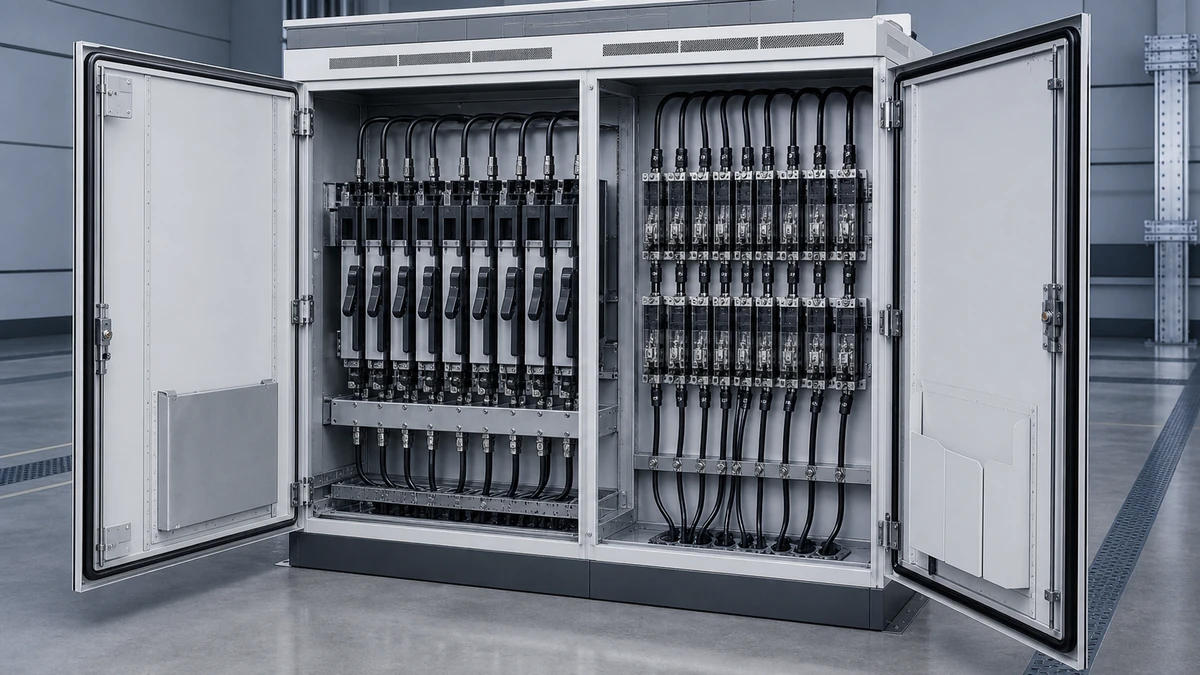
For DC fuse applications, the comparison of **fuse switch disconnector vs fuse holder** is not only about where the fuse link is installed. It is mainly about whether the device is documented and rated to provide service isolation, how maintenance is performed, and what level of operational safety the installation requires.
In Sinobreaker DC fuse system design, a fuse holder is typically selected to mount and protect a DC fuse link, while a fuse switch disconnector is selected when the fuse function must be combined with a defined switching or isolation function. These products can look similar in a panel, but they should not be treated as interchangeable unless the manufacturer’s documentation clearly supports the same function, voltage rating, current rating, utilization category, and installation conditions.
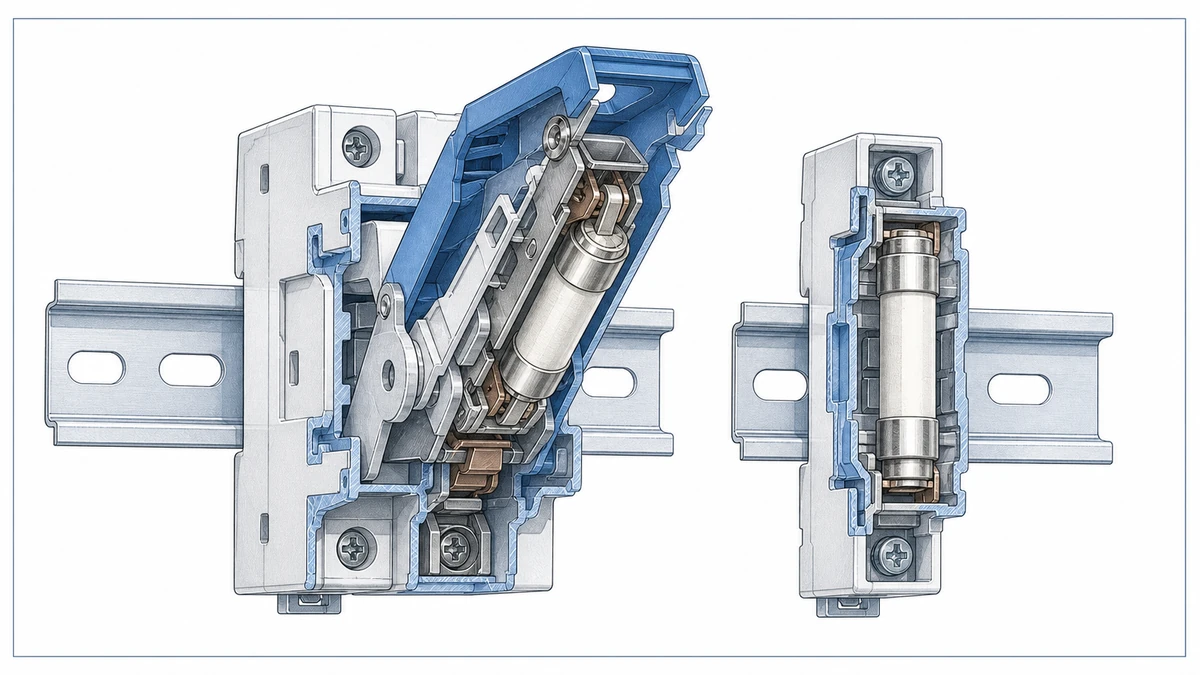
A DC fuse holder provides a mechanical and electrical interface for a fuse link. In photovoltaic, battery, energy storage, EV charging, telecom power, and industrial DC circuits, the fuse holder helps position the fuse correctly, maintain contact pressure, and provide a safer method of installation than loose fuse mounting.
Many DC fuse holders are designed with touch-safe bodies, enclosed terminals, and carriers that allow the fuse link to be inserted or removed more conveniently. Some PV fuse holders use a pivoting or rotating carrier to improve access during service.
However, touch protection and a movable carrier do not automatically mean that the product is a service-isolation switch. The product documentation must be checked for its declared function, voltage rating, DC breaking behavior, installation method, and approvals.
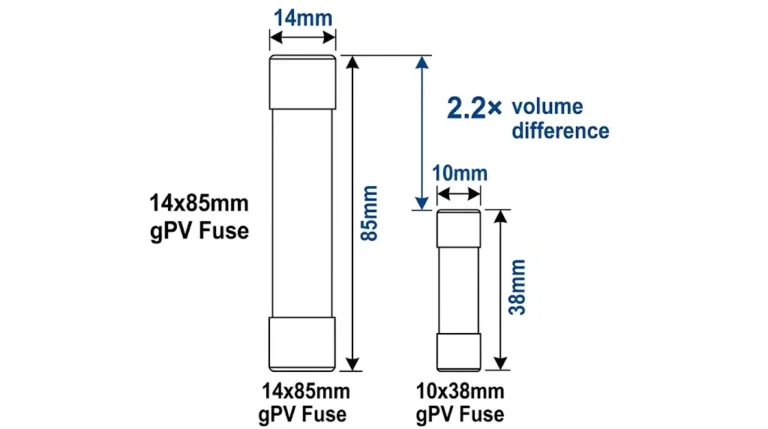
DC fuse holders must be selected according to the actual system voltage, current, fuse size, conductor type, ambient temperature, and installation environment. For example, a DC fuse holder used in a 1000V or 1500V PV string application must be compatible with the specified gPV fuse and must be installed according to its terminal and spacing requirements.
A fuse holder should be evaluated as a fuse accessory or fuse mounting device unless its own documentation expressly states additional switching or isolation capability.
A fuse switch disconnector combines a switching or disconnecting function with fuse protection. In many designs, the fuse link or fuse carrier may form part of the moving contact system. This means the electrical performance is defined by the complete device, not by the fuse base alone.
A qualified switch-disconnector is intended to disconnect a circuit and maintain an open state suitable for downstream maintenance, within its rated conditions. This is the key difference in the **fuse switch disconnector vs fuse holder** decision.
The installer should confirm that the device is rated and documented as a switch-disconnector, not simply assume that a removable fuse carrier provides isolation. The isolation claim must come from the complete device documentation.
For a fuse switch disconnector, ratings are tied to the full assembly: enclosure or base, operating mechanism, contacts, compatible fuse type, terminal structure, creepage and clearance, and test standard. The fuse link alone does not define the switching or isolation capability.
If a DC fuse switch disconnector is selected for Sinobreaker applications, the selection should be based on the full product rating table and compatible fuse list, especially for DC voltage and prospective fault current.
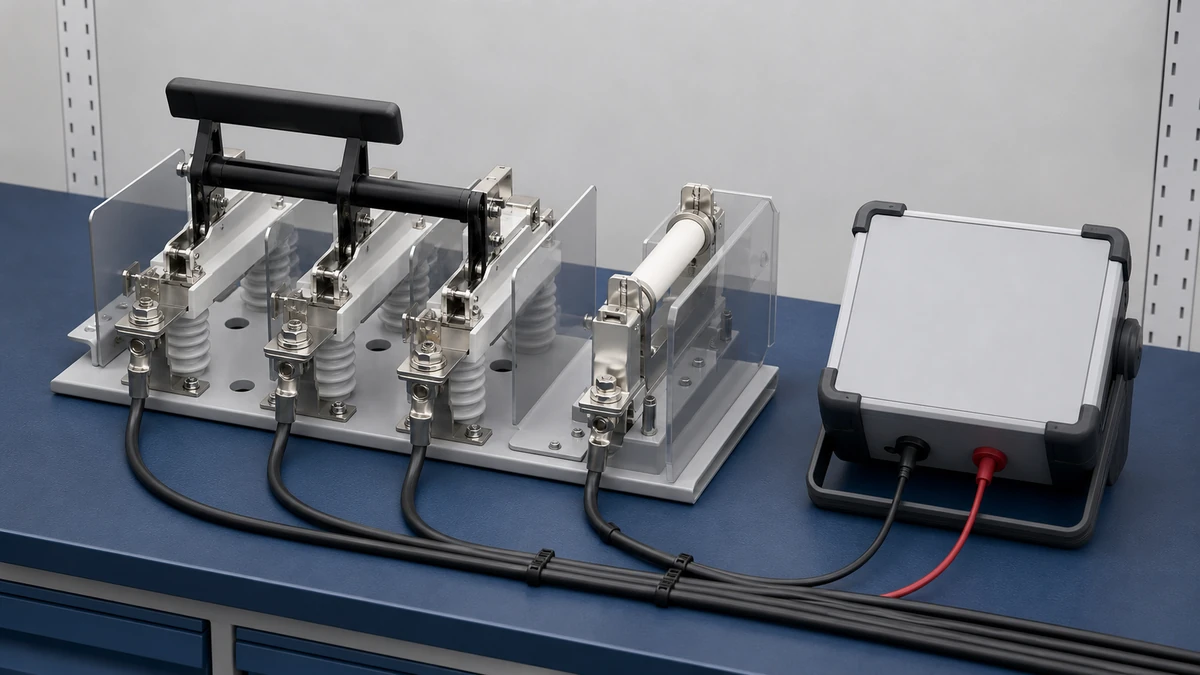
The practical difference is maintenance strategy. A fuse holder is suitable when the circuit is already isolated by another upstream or downstream disconnecting device. A fuse switch disconnector is suitable when the fuse point itself must provide a defined manual disconnection function.
| Comparison Point | Fuse Holder | Fuse Switch Disconnector |
|—|—|—|
| Main purpose | Holds and connects the DC fuse link | Combines fuse protection with switching/disconnection |
| Service isolation | Not assumed unless documented | Intended when rated as a switch-disconnector |
| Maintenance role | Fuse replacement after external isolation | Circuit can be opened at the device within rating |
| Rating basis | Fuse holder body, terminals, compatible fuse | Complete assembled device and compatible fuse |
| Typical use | PV strings, combiner boxes, protected branches | Feeders, disconnect points, maintenance isolation |
| Selection risk | Mistaking carrier movement for isolation | Selecting without confirming DC switching rating |
A fuse holder can make fuse replacement convenient, but convenience is not the same as isolation. A rotating or pull-out fuse carrier may help access the fuse, but it should not be used as a load-break or maintenance disconnect unless that function is clearly declared.
A fuse switch disconnector is generally chosen when operators need a visible or defined open condition before working downstream. This can reduce the need for a separate disconnecting device, but only when the product rating and installation method match the circuit.
Using a fuse holder plus a separate DC disconnect may give designers more layout flexibility. This approach is common when isolation is centralized at the inverter, combiner output, battery rack, or main DC bus.
Using a fuse switch disconnector can simplify the service point by integrating two functions. It may reduce wiring complexity and improve maintenance workflow, but it can also require more panel space than a compact fuse holder.
When selecting between a fuse switch disconnector and a fuse holder, Sinobreaker recommends starting with the circuit function rather than the product appearance.
DC arcs are harder to extinguish than AC arcs because there is no natural current zero crossing. Therefore, the DC voltage rating is critical. A product rated for AC service or for a lower DC voltage must not be applied to a higher-voltage DC system.
Check:
The device must be matched with the correct fuse class and size. In PV systems, gPV fuses are commonly used for string and array protection. In battery or DC distribution circuits, other DC fuse types may be required depending on the fault profile and coordination target.
A fuse switch disconnector may have ratings that depend on a specified compatible HRC or DC fuse family. Designers should not substitute fuse links without confirming compatibility.
For indoor control cabinets, compact fuse holders may be sufficient when service isolation is already provided elsewhere. For outdoor PV combiner boxes, temperature rise, UV exposure, ingress protection, and condensation control become more important.
For energy storage and high-current DC distribution, the disconnecting function may be more valuable because maintenance teams often need a clear, local means to open a circuit before inspection.
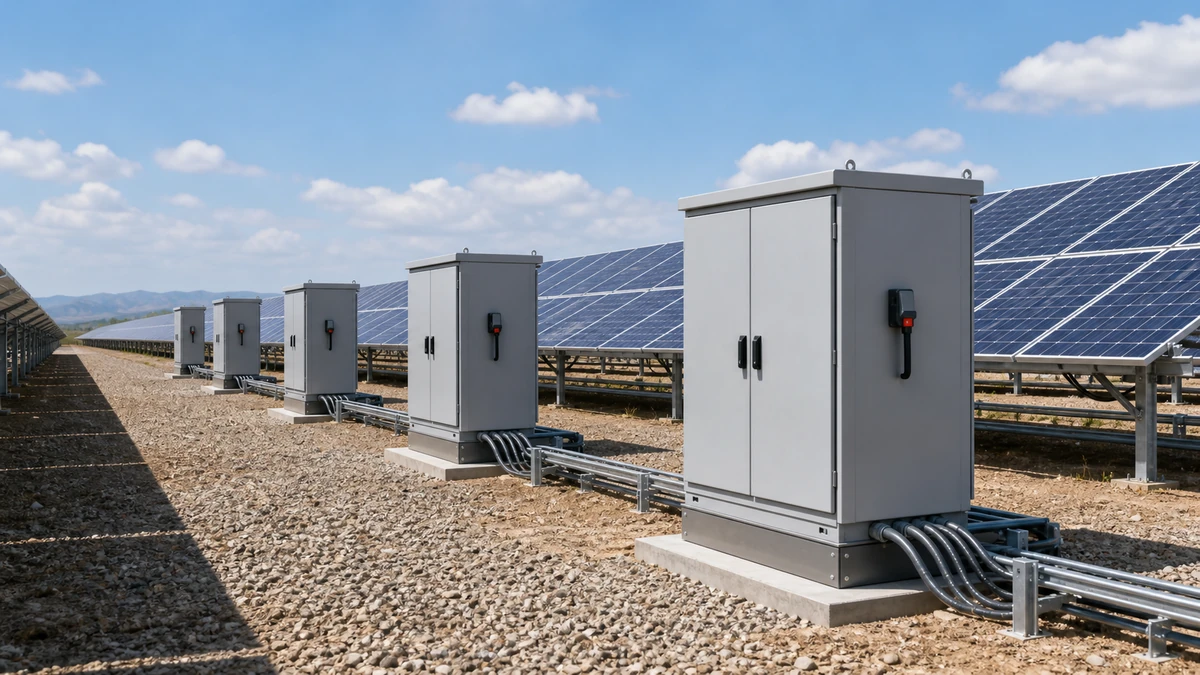
The safest approach is simple: do not infer a service-isolation function from the shape of the product.
Some fuse holders include a carrier that moves, pivots, or pulls out. This movement can make fuse replacement easier, but the product may still be intended only for fuse access after the circuit has already been de-energized.
If the documentation does not state switch-disconnector, isolator, disconnector, or an equivalent rated function, the device should not be represented as a service-isolation device.
A fuse switch disconnector should be evaluated as a complete assembly. The switching contacts, fuse carrier, contact pressure, operating handle, enclosure, and compatible fuse link all affect performance.
For Sinobreaker DC fuse projects, the engineering file should record:
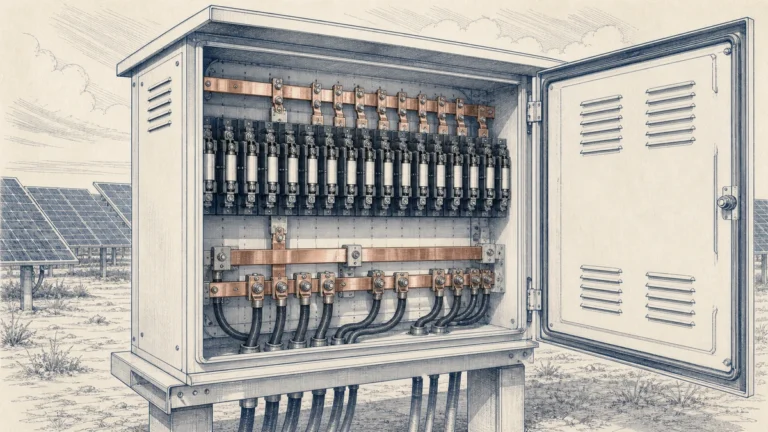
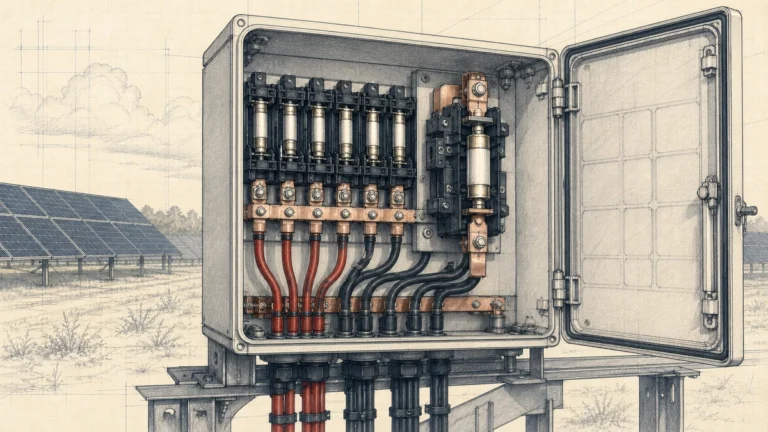
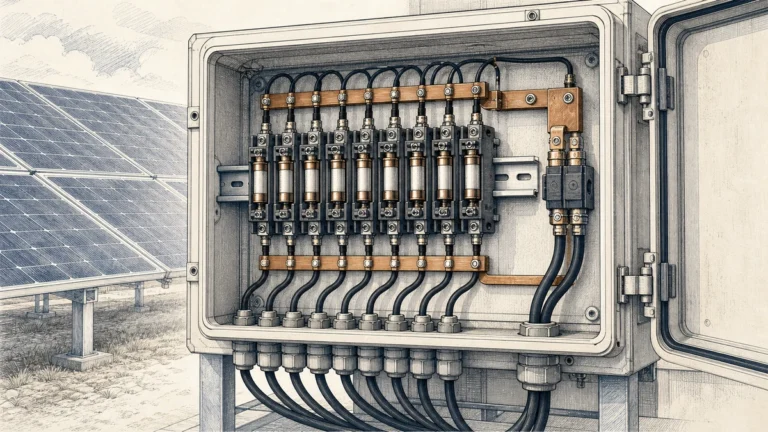
In a PV combiner box, a DC fuse holder may be used for each string when the combiner or inverter has a separate DC isolator. The holder provides fuse mounting and protection, while isolation is handled by the main DC switch.
If each protected branch requires local disconnection for maintenance, a DC-rated fuse switch disconnector may be considered instead.
Battery systems can deliver high fault currents, so the selection must consider both fuse protection and safe maintenance isolation. A fuse holder may be acceptable inside a protected battery module where isolation is provided by contactors or service disconnects.
For rack outputs, DC feeders, or maintenance zones, a fuse switch disconnector may provide a clearer service workflow when rated for the system.
In telecom, industrial DC, and EV charging auxiliary circuits, fuse holders are often used for compact branch protection. Fuse switch disconnectors are more appropriate where a technician needs to open a feeder and verify that downstream equipment is isolated before work begins.
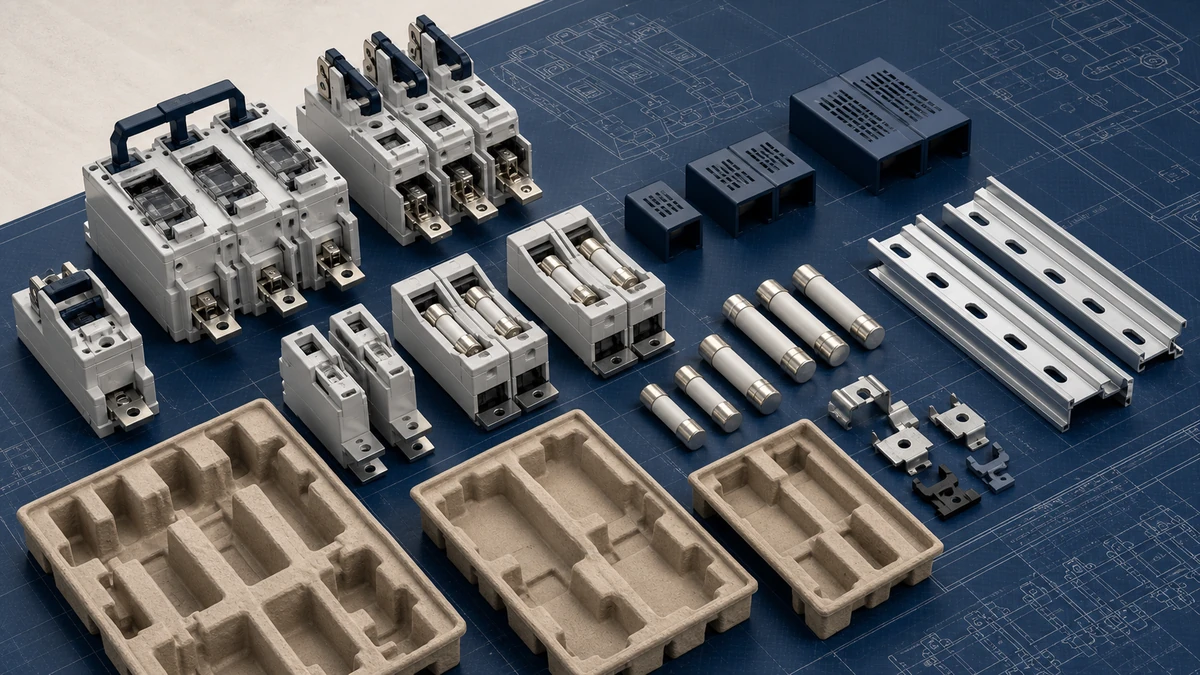
Before deciding **fuse switch disconnector vs fuse holder**, confirm the following:
1. Does the circuit need local service isolation at the fuse point?
2. Is there already an upstream or downstream DC disconnect?
3. Does the product documentation explicitly declare switch-disconnector or isolation function?
4. Is the DC voltage rating equal to or higher than the maximum system voltage?
5. Is the selected fuse link listed as compatible?
6. Is the short-circuit rating suitable for the installation?
7. Are terminals, torque, wire size, and installation orientation clearly specified?
8. Are maintenance procedures based on the documented product function?
If the answer to the first question is yes, a fuse holder alone is usually not enough unless its documentation specifically supports that role.
No. A fuse holder is primarily a mounting and connection device for a fuse link. A fuse switch disconnector is a complete device rated to provide a switching or disconnecting function together with fuse protection. The two should not be treated as equivalent unless the fuse holder documentation expressly declares the same isolation function.
Only if the product documentation specifically permits that operation. Many fuse holders are designed for fuse replacement after the circuit has already been isolated. Opening a non-rated fuse holder under load in a DC circuit can create an arc hazard and damage the equipment.
Choose a fuse switch disconnector when the fuse location must also serve as a documented service-isolation point for downstream maintenance. Choose a fuse holder when the circuit already has proper isolation elsewhere and the device is only required to mount and connect the DC fuse link.