Address
304 North Cardinal
St. Dorchester Center, MA 02124
Work Hours
Monday to Friday: 7AM - 7PM
Weekend: 10AM - 5PM
Address
304 North Cardinal
St. Dorchester Center, MA 02124
Work Hours
Monday to Friday: 7AM - 7PM
Weekend: 10AM - 5PM

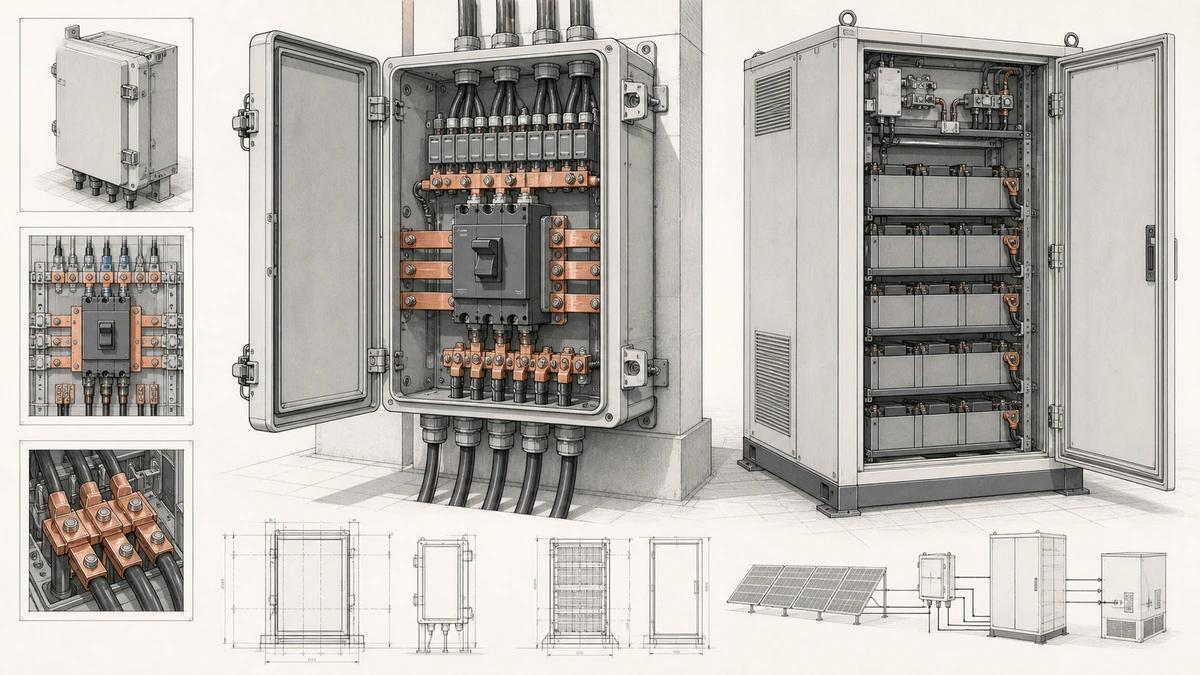
In PV strings, combiner boxes, battery energy storage systems, and DC distribution panels, a DC circuit breaker must protect conductors and equipment without interrupting normal startup behavior. One common cause of unwanted shutdowns is **dc circuit breaker inrush current**: a short-duration current surge that appears when capacitors, converters, inverters, charge controllers, or DC loads are energized.
For Sinobreaker DC Circuit Breaker applications, nuisance trip prevention starts with understanding the difference between a dangerous fault and a normal transient. If inrush current rises above the breaker’s instantaneous trip threshold, the breaker may open even though there is no sustained overload or short circuit. Correct breaker selection, circuit design, and commissioning checks help prevent this problem while maintaining safe DC protection.
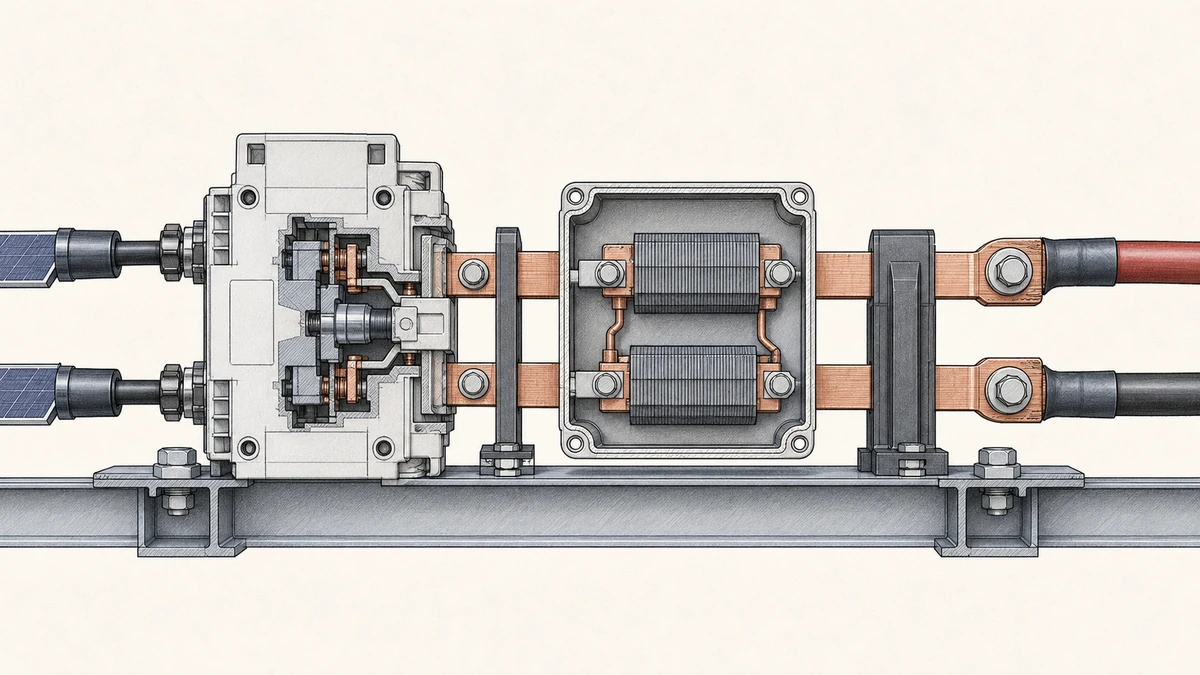
DC circuit breaker inrush current is the temporary current peak that occurs immediately after a DC circuit is switched on or reconnected. In PV and battery systems, this current often comes from capacitors inside inverters, MPPT charge controllers, DC/DC converters, battery management equipment, or auxiliary power supplies.
Unlike normal operating current, inrush current may last only milliseconds to seconds. However, its peak can be many times higher than the rated load current. A DC circuit breaker sees this current just like any other current passing through the circuit. If the peak crosses the magnetic or instantaneous trip level, the breaker can trip before the system reaches stable operation.
PV systems contain many devices that need energy storage and filtering components. When a PV combiner, inverter input, or DC isolating circuit is closed, input capacitors may charge rapidly from the array. This charging current can be steep because PV modules and short cable runs can provide a fast energy path.
Inrush may be higher when:
A Sinobreaker DC Circuit Breaker used in PV applications should therefore be evaluated not only by rated voltage and rated current, but also by the expected startup behavior of the connected equipment.
Battery systems can produce even stronger inrush events because batteries have low internal resistance and can deliver high current quickly. When a battery bank is connected to an inverter, PCS, DC/DC converter, or DC bus, capacitors may charge almost instantly unless pre-charge control is used.
Inrush in battery energy storage systems may be influenced by:
Because battery systems can also deliver severe fault current, nuisance trip prevention must never weaken protection. The goal is to select a Sinobreaker DC Circuit Breaker and system design that tolerate normal startup inrush while still interrupting real fault conditions.
A nuisance trip happens when a breaker opens during a condition that is not an actual fault requiring interruption. In DC systems, this is often linked to the breaker’s instantaneous or magnetic trip function.
If the inrush current exceeds the instantaneous trip threshold, the breaker may trip immediately at startup. This is different from a delayed thermal trip caused by sustained overload. Correct diagnosis is important because the solution for a magnetic inrush trip is not the same as the solution for overheating, undersized conductors, or continuous overcurrent.
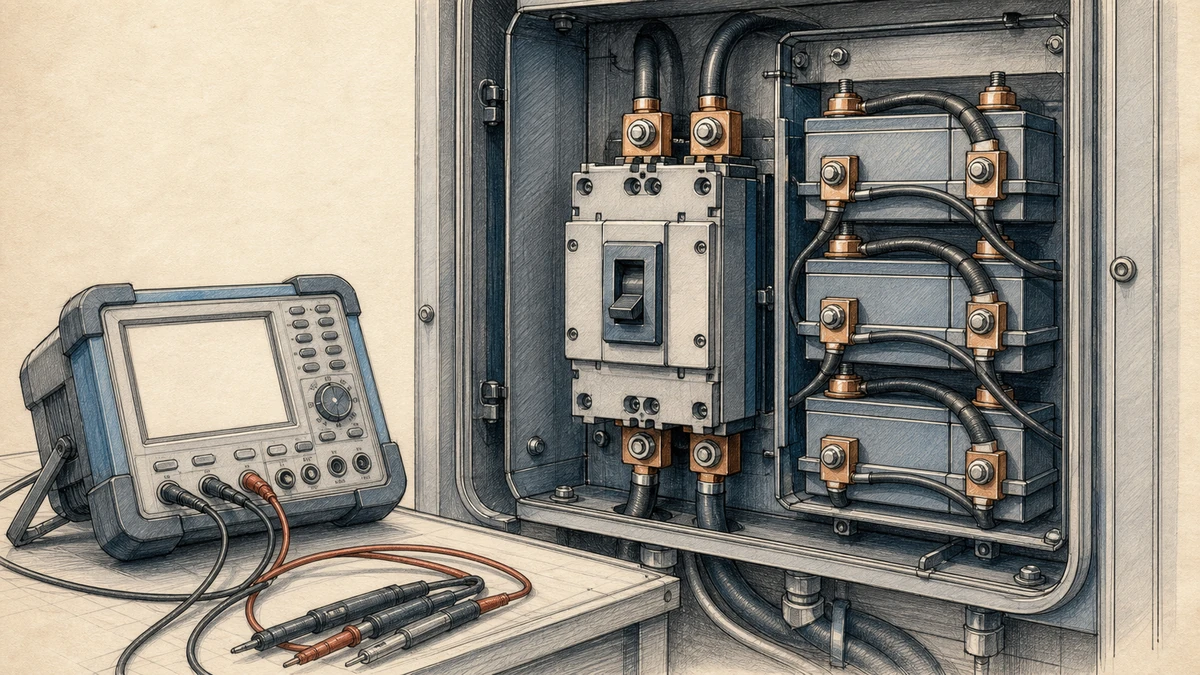
A magnetic trip is fast. It responds to high current peaks, such as short circuits or severe inrush. If the breaker trips immediately when the DC circuit is energized, inrush current should be investigated first.
A thermal trip is slower. It responds to heat caused by current above the breaker’s rating over time. If the breaker trips after seconds, minutes, or under continuous load, the issue may be overload, ambient temperature, poor ventilation, incorrect derating, loose connections, or undersized conductors.
A practical troubleshooting sequence is:
The instantaneous trip threshold is designed to open the breaker quickly during high-current fault events. However, if the threshold is too close to the normal startup surge, the breaker may not distinguish inrush from a fault.
For example, a DC load may operate normally at 40 A but produce a startup surge above the breaker’s instantaneous region. If the selected DC circuit breaker has a trip characteristic that reacts at that level, nuisance tripping can occur. A breaker with the appropriate trip characteristic for the actual duty may be required, provided that cable protection and fault-clearing requirements remain satisfied.
Breaker selection should be based on the complete DC application, not only the nameplate current of the load. PV and battery systems require attention to voltage, current, polarity, breaking capacity, utilization category, ambient temperature, wiring method, and startup transients.
DC interruption is more demanding than AC interruption because there is no natural current zero crossing. The breaker must be rated for the system’s maximum DC voltage, including open-circuit PV voltage under cold conditions or maximum battery charging voltage.
For PV strings and arrays, verify the maximum open-circuit voltage. For battery systems, verify the highest possible DC bus voltage. The selected Sinobreaker DC Circuit Breaker must be suitable for that DC voltage and the intended pole configuration.
The breaker’s rated current must support normal continuous operation while protecting the connected conductors. In real installations, derating may be necessary because of:
Oversizing a breaker only to avoid inrush trips can create safety risks if the conductors are no longer properly protected. Instead, inrush should be handled through proper trip characteristic selection, pre-charge design, sequencing, or system-level coordination.
Battery systems can deliver very high short-circuit current. PV systems may have lower current than batteries, but still require DC-rated interruption suitable for the array design. The breaker’s rated breaking capacity must be equal to or greater than the available fault current at the installation point.
For Sinobreaker DC Circuit Breaker applications, confirm:
Nuisance trip prevention is not only a breaker issue. It is also a system design issue. The best results come from coordinating the DC circuit breaker with the connected equipment and startup sequence.
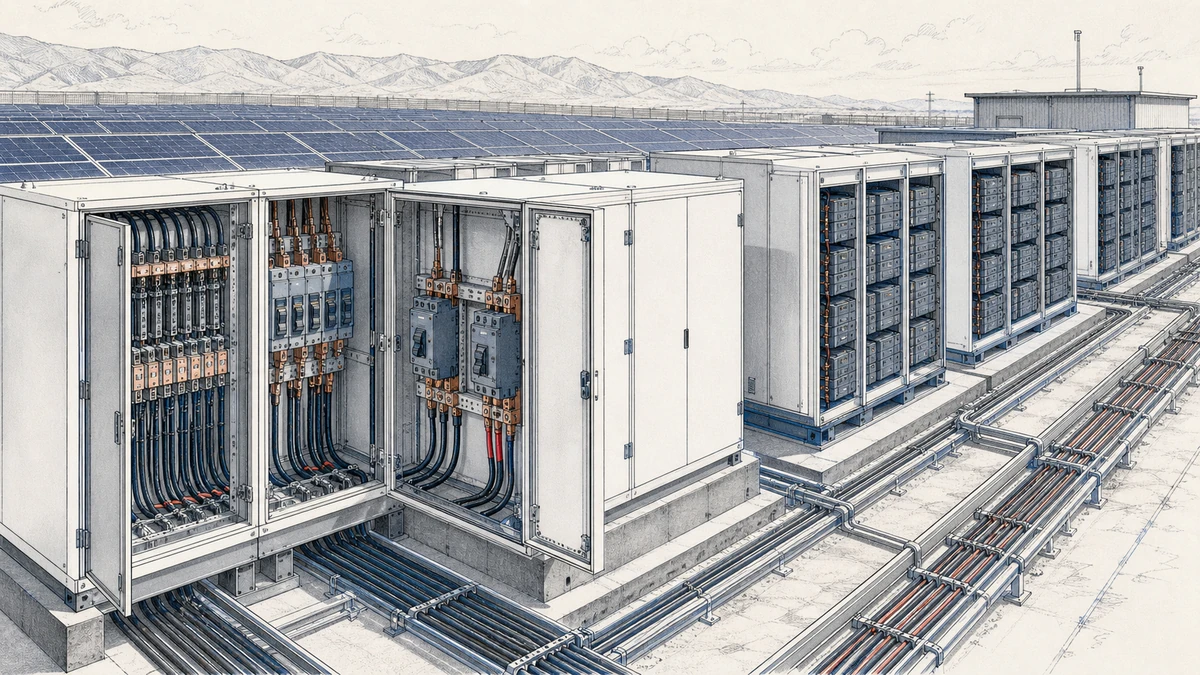
A pre-charge circuit limits the initial charging current into DC bus capacitors before the main contactor or breaker path is fully energized. This is common in battery energy storage systems and high-power inverter systems.
A typical pre-charge sequence allows current to flow through a resistor first, gradually raising the DC bus voltage. Once the voltage difference is reduced, the main contactor closes. This prevents a large uncontrolled current spike and reduces stress on breakers, contactors, capacitors, and battery terminals.
If several inverters, converters, or auxiliary loads start at the same time, their inrush currents can add together. Sequential startup reduces the combined peak current seen by the upstream DC circuit breaker.
Possible sequencing methods include:
This approach is especially useful in DC distribution cabinets where one upstream breaker feeds multiple downstream devices.
Very short, large conductors can reduce voltage drop, but they can also increase the peak available inrush and fault current. System designers should balance efficiency, voltage drop, protection, and transient behavior.
Cable length should never be increased casually as an inrush solution, but impedance, conductor routing, and equipment location all influence transient current. Where inrush is a known concern, pre-charge or soft-start control is usually a better engineering method.
PV assemblies may integrate individual circuit breakers, combiner components, disconnecting devices, surge protection, and energy-storage-related parts. When these are combined into an enclosure, the final assembly still needs to preserve the relevant requirements of each device.
This means the DC circuit breaker should not be treated as a generic switch. Its spacing, heat dissipation, wiring, voltage rating, breaking capacity, polarity, and operating environment must remain consistent with its intended use. Assembly-level design should support the breaker’s protective function rather than compromise it.
When a DC circuit breaker trips during energization, the first step is to determine whether the trip is caused by normal inrush, a wiring fault, incorrect breaker selection, or equipment failure.
Timing provides an important clue.
If the breaker trips instantly when closed, investigate inrush current, short circuit, reverse polarity, or a failed input capacitor. If the breaker trips after running for a while, investigate overload, heating, ambient derating, terminal torque, enclosure temperature, or continuous current above rating.
Use suitable DC measurement equipment rated for the system voltage and current. In many cases, a power analyzer, oscilloscope with current probe, or high-speed data logger is required because inrush may be too fast for a standard clamp meter.
Compare the measured peak and duration with:
Do not assume every startup trip is harmless inrush. Check for installation or equipment issues, including:
A nuisance-trip investigation should separate normal transient behavior from faults that the breaker is correctly interrupting.
If the circuit is healthy and the measured inrush exceeds the instantaneous trip threshold, the breaker characteristic may not match the duty. The solution may involve selecting a more suitable Sinobreaker DC Circuit Breaker model, using a different protection arrangement, adding pre-charge, or adjusting startup sequencing.
The final choice must maintain safe conductor protection and DC fault interruption. Avoid bypassing the breaker, oversizing protection beyond conductor limits, or using AC-only breakers in DC circuits.
Correct installation practices help ensure that the DC circuit breaker performs as expected in real field conditions.
In PV combiner boxes, each string or group of strings may require dedicated protection depending on the system design and applicable standard. The breaker must be rated for the maximum DC voltage and current contribution. Where inverters have large input capacitance, startup testing should confirm that string or array breakers do not trip during normal energization.
Battery systems require careful coordination between battery management systems, contactors, fuses, breakers, and power conversion equipment. A DC circuit breaker may provide isolation and overcurrent protection, but it should be integrated with the battery system’s pre-charge and fault management logic.
PV and battery equipment often operates in outdoor enclosures, rooftops, containers, or cabinets with elevated temperature. Heat affects breaker performance and may increase the chance of thermal trips. Proper enclosure ventilation, spacing, derating, and terminal maintenance are essential.
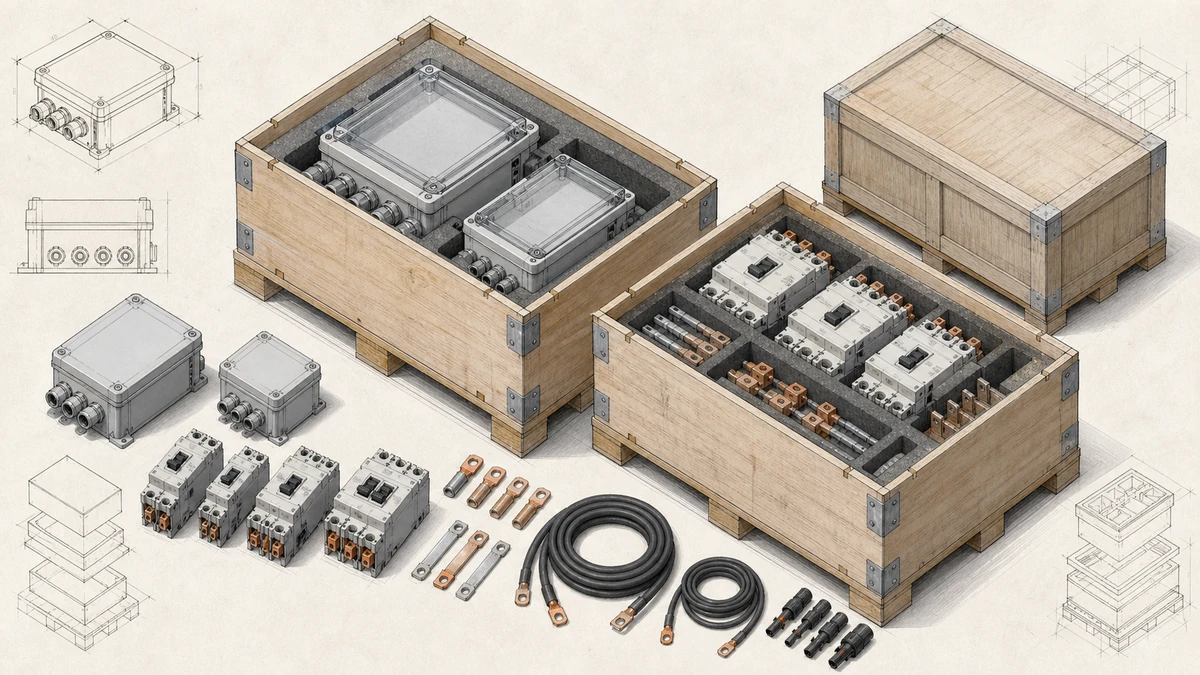
DC circuit breaker inrush current in PV systems is usually caused by rapid charging of capacitors inside inverters, MPPT controllers, DC/DC converters, or monitoring power supplies. When the circuit is closed, these capacitors can draw a short high-current surge before the system reaches normal operating current.
An inrush-related trip usually happens immediately at startup and is linked to the breaker’s instantaneous trip response. An overload or thermal trip usually occurs after the system has been operating for some time. Measuring startup current and checking the breaker’s trip characteristic helps confirm the cause.
Not automatically. A larger breaker may reduce nuisance trips, but it can also reduce conductor protection and create safety risks. The better approach is to verify inrush current, select the correct Sinobreaker DC Circuit Breaker characteristic, apply pre-charge or startup sequencing when needed, and maintain proper DC fault protection.