Address
304 North Cardinal
St. Dorchester Center, MA 02124
Work Hours
Monday to Friday: 7AM - 7PM
Weekend: 10AM - 5PM
Address
304 North Cardinal
St. Dorchester Center, MA 02124
Work Hours
Monday to Friday: 7AM - 7PM
Weekend: 10AM - 5PM

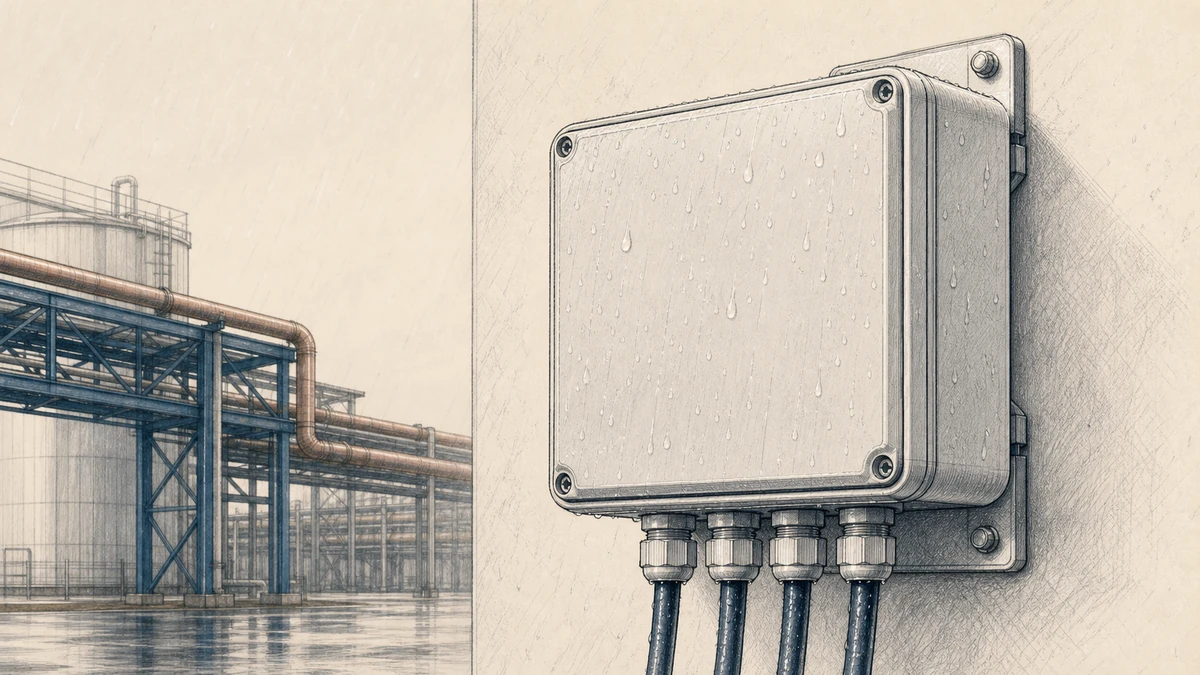
For a waterproof distribution box, the gasket is not a small accessory; it is one of the parts that decides whether the enclosure can keep dust, water jets, moisture, cleaning residue and outdoor ageing from reaching electrical components. Choosing an **ip66 distribution box gasket** therefore requires more than selecting a rubber name from a catalog.
An IP66 rating is an enclosure performance claim. The International Electrotechnical Commission explains that IEC 60529 defines the IP Code as a classification of degrees of protection provided by enclosures for electrical equipment, not as a universal approval of every sealing material or joint design. In practice, the gasket compound, compression design, enclosure rigidity, installation torque, UV exposure and chemical environment all affect long-term sealing performance.
For Sinobreaker waterproof distribution boxes, gasket selection should be treated as part of the enclosure design, not as an afterthought.
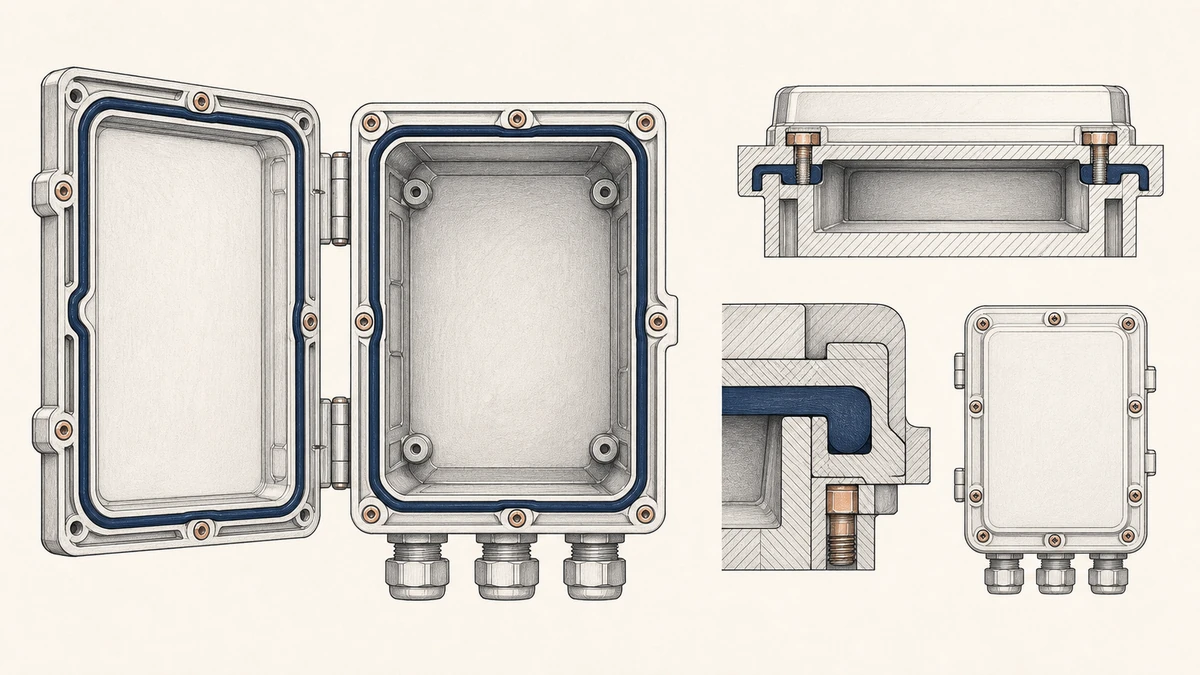
IP66 indicates that an enclosure has protection against dust ingress and powerful water jets under defined test conditions. It does not mean that every gasket material will perform equally in every outdoor, industrial or cleaning environment.
The IP Code under IEC 60529 classifies the protection provided by enclosures for electrical equipment. That means the rating belongs to the assembled enclosure system: cover, base, fastening method, sealing groove, gasket, cable entries and installation quality.
For an **ip66 distribution box gasket**, this distinction matters because a compliant enclosure can still lose sealing performance if the gasket is mismatched to the actual service conditions.
Important variables include:
Terms such as EPDM, silicone, NBR or neoprene describe material families. They do not fully define performance. Compound formulation, curing system, filler package, hardness, surface finish and post-curing can all affect compression set, chemical resistance and outdoor durability.
For Sinobreaker waterproof distribution box projects, the practical question is not only “What is the gasket material?” but also “Will this gasket maintain enough sealing force after compression, ageing and exposure?”
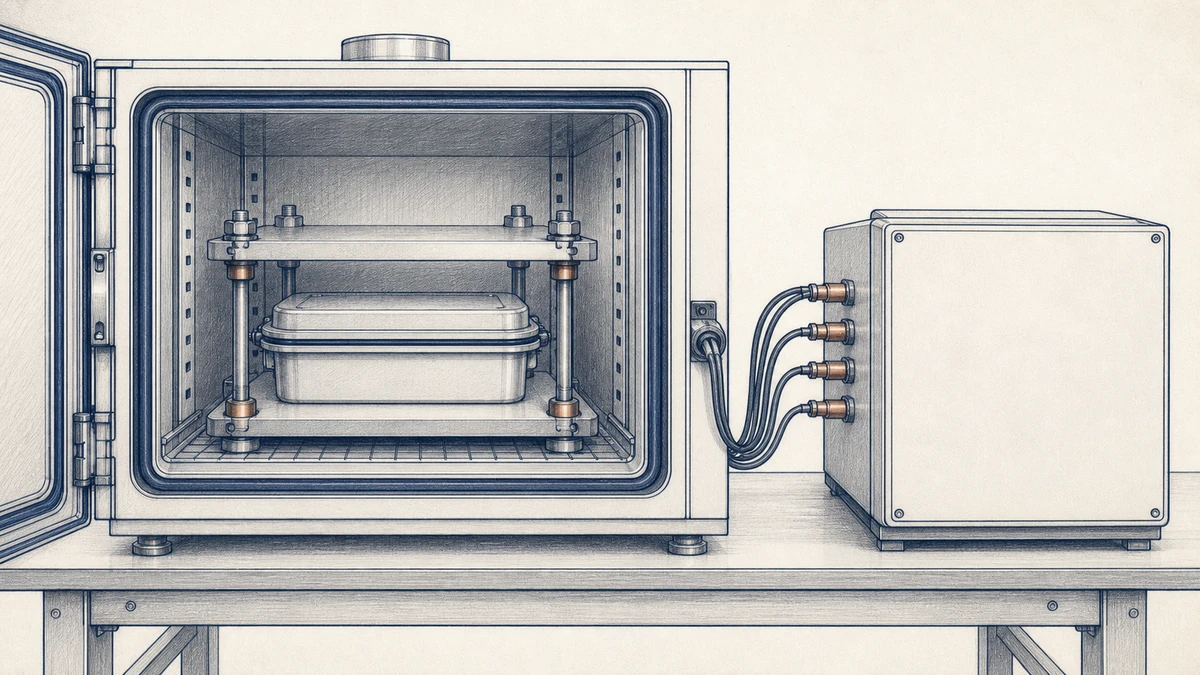
Compression set is one of the most important performance indicators for an **ip66 distribution box gasket**. It describes how much a rubber or elastomer fails to recover after being compressed for a defined time and temperature.
A gasket seals because it is compressed between the cover and the enclosure body. This compression creates contact pressure along the sealing path. If the gasket takes a high compression set, it remains flattened after long-term compression and loses recovery force.
Once recovery force drops, the enclosure may become more vulnerable to:
ISO 815-1 specifies how compression-set characteristics of vulcanized and thermoplastic rubbers are determined at ambient or elevated temperatures. The standard notes that compression set depends on compression time, temperature and recovery conditions, and that longer elevated-temperature tests are used to consider ageing and sealing-material service performance.
A gasket that performs well at room temperature may behave differently in a sun-exposed distribution box. Outdoor enclosures can experience elevated internal temperatures due to solar radiation, electrical heat and poor ventilation.
Higher temperature can accelerate:
For this reason, Sinobreaker waterproof distribution box applications should consider expected service temperature, not only the installation-day environment.
When selecting an **ip66 distribution box gasket**, request or evaluate:
A low compression-set value is generally favorable, but it should be interpreted together with material hardness, enclosure geometry and the required sealing pressure.
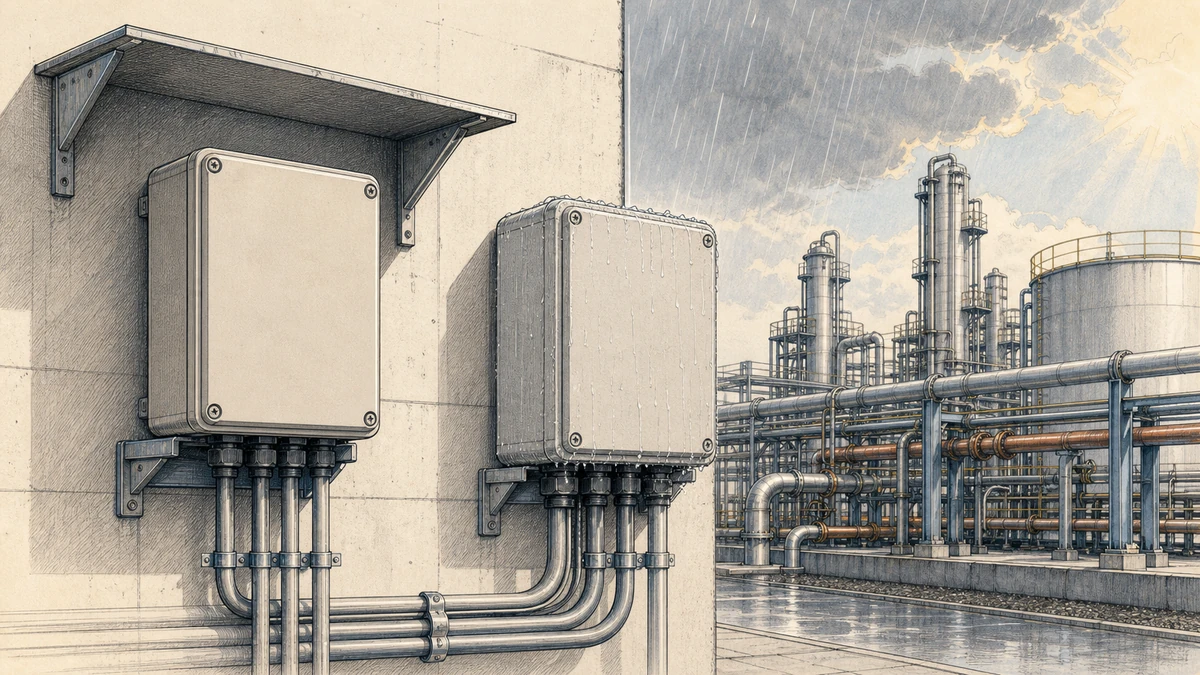
Outdoor waterproof distribution boxes are exposed to sunlight, ozone, humidity, rain and temperature cycling. The gasket may be partially shielded by the cover, but edges, seams and installation gaps can still experience weathering.
EPDM is widely used for outdoor sealing because it is known for good resistance to ozone and weathering. Freudenberg Sealing Technologies describes EPDM as having good resistance to ozone and weather and identifies hot water, steam, cleaning agents and glycol-based fluids as application areas, while also directing users to chemical-resistance guidance for compound-specific decisions.
For an **ip66 distribution box gasket**, EPDM is often a strong candidate where the main challenges are rain, ozone, outdoor air, mild cleaning agents and temperature cycling.
However, EPDM is not automatically the correct choice for every installation. The exact compound and exposure conditions still need review.
Even when a material family has good outdoor resistance, UV performance depends on formulation. Carbon black loading, stabilizers, curing chemistry and surface exposure all matter.
Design practices that help protect gasket life include:
For Sinobreaker waterproof distribution boxes used outdoors, the enclosure design and gasket material should work together. A weather-resistant compound can still fail early if the joint geometry exposes it to excessive UV, mechanical stress or water pooling.
Chemical compatibility is often where gasket selection becomes more complex. A distribution box may be installed near cleaning chemicals, coolant mist, fuel vapor, oils, pesticides, pool-treatment chemicals, wastewater gases or industrial solvents.
EPDM can be suitable for many outdoor and water-related applications, but it is not a universal chemical-resistant material. Parker states that compound formulation is decisive for an EPDM property profile and distinguishes compatible media from aliphatic, aromatic and chlorinated hydrocarbons, for which EPDM compounds are not resistant.
This is a critical point for any **ip66 distribution box gasket** used in industrial or outdoor service: material-family labels must not replace a documented media and temperature compatibility review.
A chemical that is acceptable at room temperature may become aggressive at elevated temperature. A diluted cleaning agent may behave differently from a concentrated solution. Intermittent splashing may be less severe than continuous immersion, but repeated exposure can still degrade the gasket over time.
A proper review should consider:
For Sinobreaker waterproof distribution box installations, chemical review is especially important in factories, farms, car washes, marine-adjacent facilities, food-processing areas and wastewater environments.
The best gasket is not always the softest, hardest or most expensive option. The best gasket is the one that maintains sealing force in the actual service environment.
EPDM is commonly considered when the application involves:
EPDM may be a strong choice for many Sinobreaker waterproof distribution boxes, especially where UV, ozone and water exposure are more important than oil or hydrocarbon resistance.
Silicone rubber can be useful where wide temperature flexibility is required. It often maintains elasticity at low temperatures and can perform well in elevated-temperature conditions, depending on grade.
However, silicone may have lower tear strength or abrasion resistance than some other elastomers, so groove protection and installation handling are important. Chemical compatibility must also be checked for the actual environment.
NBR is often considered where oil or fuel-related exposure is present. It can be useful in certain industrial environments, but its outdoor ozone and weathering resistance may be less favorable than EPDM unless specifically compounded and protected.
For an outdoor **ip66 distribution box gasket**, NBR should not be selected only because oil may be present. The full exposure profile should be reviewed, including sunlight, ozone, water, detergents and temperature.
Foam gaskets can conform well to surface variation and may require lower closing force. Solid rubber gaskets can provide robust sealing but may require more controlled compression and stronger cover stiffness.
Key differences include:
A suitable gasket compound can still fail if the waterproof distribution box joint is poorly designed. IP66 performance depends on the complete sealing system.
Too little compression can leave leak paths. Too much compression can overstress the gasket, increase compression set, distort the cover or cause the gasket to roll, split or extrude.
A good design should define:
For a Sinobreaker waterproof distribution box, consistent compression across the perimeter is essential because IP66 water-jet exposure can challenge weak points, especially at corners and cable-entry areas.
Corners often fail first because the gasket may stretch, bunch, thin out or experience uneven pressure. Molded gaskets or well-controlled formed corners can reduce this risk.
Design and production checks should confirm that:
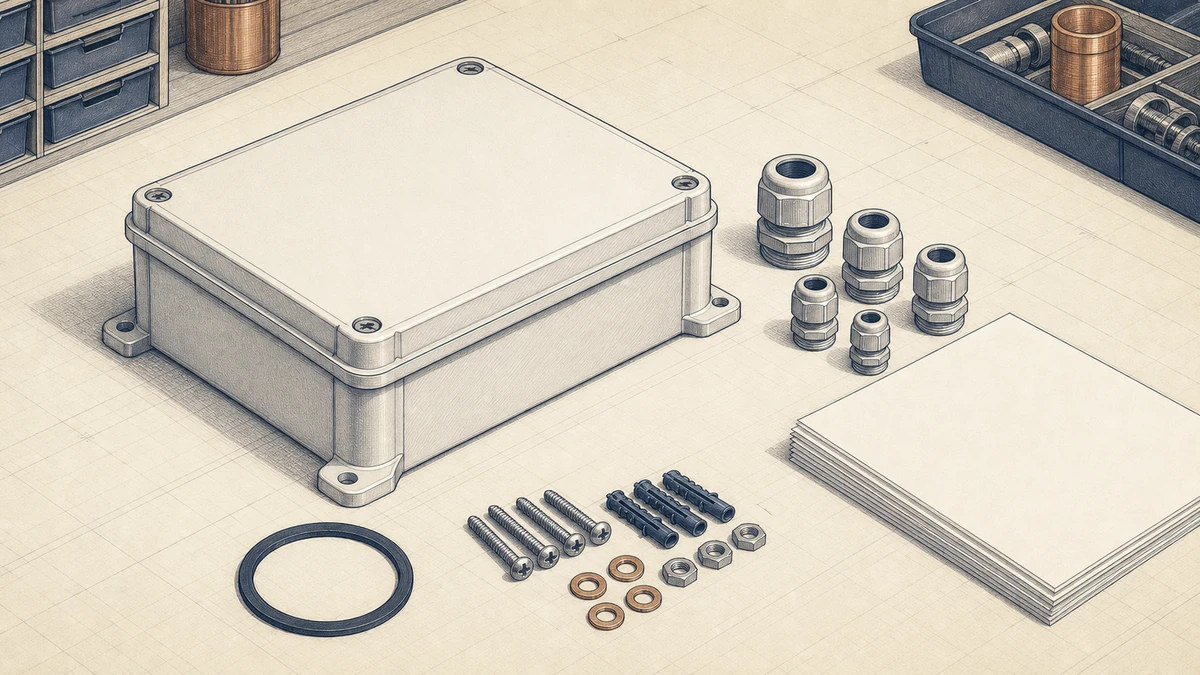
Even the correct **ip66 distribution box gasket** can underperform if the enclosure is installed or maintained incorrectly.
Installers should avoid stretching, cutting or contaminating the gasket. The sealing surface should be clean, free of burrs and protected from cable debris, dust, paint overspray or metal shavings.
Good installation practices include:
A waterproof distribution box used outdoors or in chemical environments should be inspected periodically. The inspection interval depends on exposure severity.
Signs that a gasket may need replacement include:
For Sinobreaker applications where enclosure reliability is critical, gasket inspection should be part of preventive maintenance rather than a reaction to water ingress.
Use this checklist when specifying or reviewing an **ip66 distribution box gasket**:
| Selection Area | What to Confirm | Why It Matters |
|—|—|—|
| IP rating | IP66 applies to the assembled enclosure | The gasket alone does not define the rating |
| Material family | EPDM, silicone, NBR or other material | Each family has different strengths and limits |
| Compound data | Compression set, hardness, ageing data | Formulation affects real performance |
| Temperature | Operating, storage and cleaning temperature | Heat can accelerate compression set and ageing |
| UV and ozone | Outdoor exposure and shielding | Weathering can reduce elasticity |
| Chemical media | Exact chemicals, concentration and contact type | Compatibility cannot be assumed by material name |
| Groove design | Compression, dimensions and corner control | Poor geometry can defeat good material |
| Installation | Torque, seating and cleanliness | Field handling affects sealing |
| Maintenance | Inspection and replacement interval | Gaskets age during service |
No. An **ip66 distribution box gasket** contributes to waterproof performance, but IP66 applies to the assembled enclosure system. The cover, base, gasket, fasteners, cable entries, groove design and installation quality all affect the final result.
No. EPDM is often a strong option for outdoor weathering, ozone and water-based exposure, but the exact compound and chemical environment must be reviewed. EPDM is not suitable for some hydrocarbon exposures, including many aliphatic, aromatic and chlorinated hydrocarbons.
There is no single replacement interval for every installation. Replacement depends on compression set, UV exposure, temperature, chemicals, opening frequency and visible ageing. If the gasket is flattened, cracked, swollen, hardened or no longer seated correctly, it should be replaced before enclosure protection is compromised.