Dirección
304 North Cardinal
Dorchester Center, MA 02124
Horas de trabajo
De lunes a viernes: de 7.00 a 19.00 horas
Fin de semana: 10.00 A 17.00 HORAS
Dirección
304 North Cardinal
Dorchester Center, MA 02124
Horas de trabajo
De lunes a viernes: de 7.00 a 19.00 horas
Fin de semana: 10.00 A 17.00 HORAS

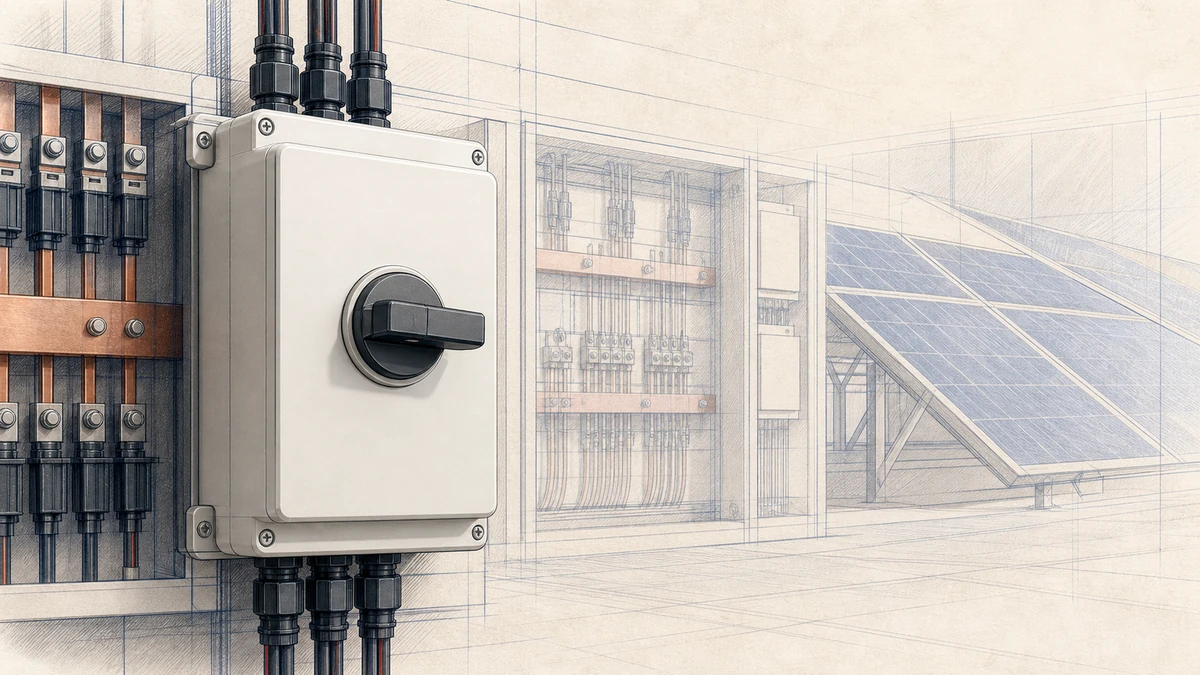
In photovoltaic systems, a DC Switch Disconnector is not selected by voltage and current alone. The switching duty matters. The **dc-pv2 utilization category** tells engineers, EPCs, panel builders, and procurement teams whether a PV isolation switch has been tested for the type of DC circuit it is expected to make and break.
This distinction is especially important in modern PV arrays where multiple strings, combiner boxes, battery interfaces, and inverter inputs can create higher fault-current contribution and possible bidirectional current flow. A switch marked only as a “DC disconnect” may not be suitable for load-breaking operation in these conditions.
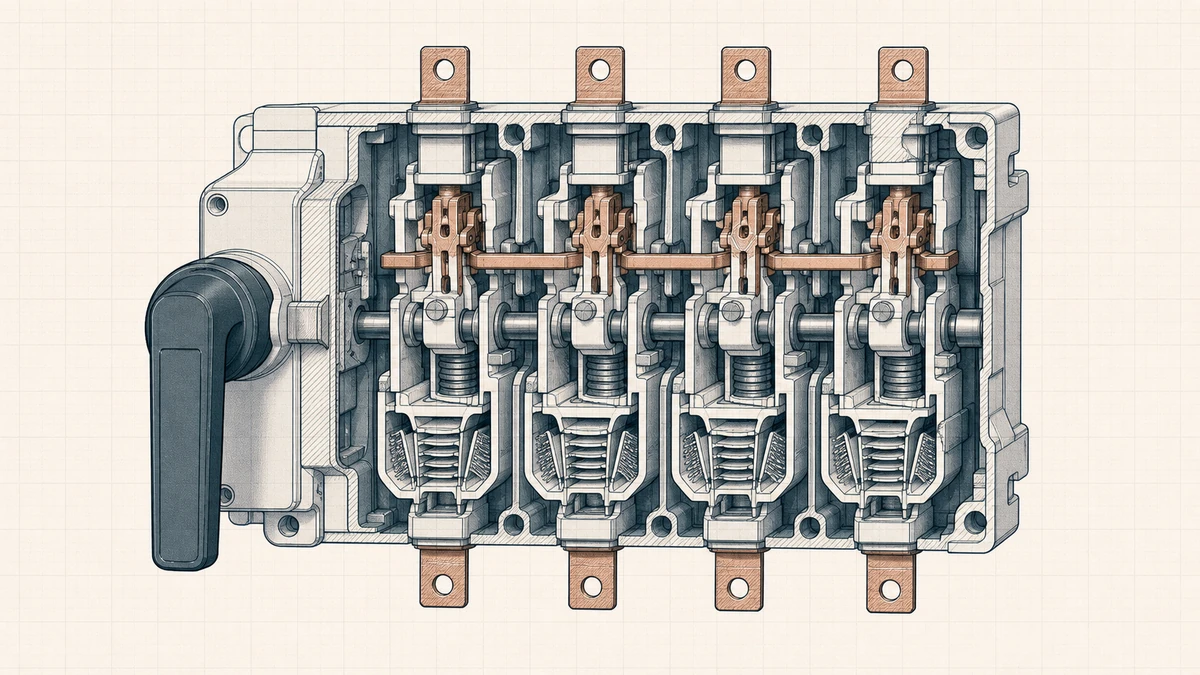
The **dc-pv2 utilization category** is used for switch-disconnectors intended to make and break photovoltaic DC circuits under more demanding PV conditions. It is associated with PV applications where significant overcurrents may occur and where current flow can be bidirectional.
Typical examples include:
For a Sinobreaker DC Switch Disconnector, DC-PV2 should be understood as a utilization category tied to a specific tested rating, not as a general marketing label.
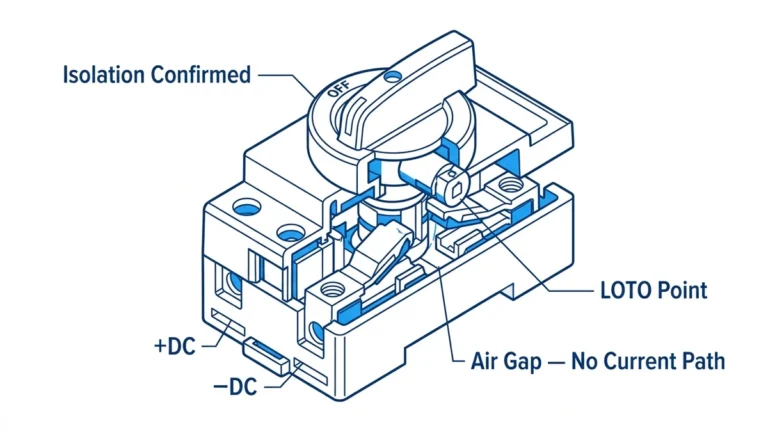
A switch may be rated for DC voltage, but that does not automatically mean it is suitable for PV load isolation. DC switching is more difficult than AC switching because the current does not naturally cross zero. When contacts open under load, the arc must be controlled and extinguished by the switch design.
That is why the utilization category must be checked together with:
IEC 60947-3 applies to switches, disconnectors, switch-disconnectors, and fuse-combination units for low-voltage applications, including DC equipment used up to 1,500 V DC. The 2020 fourth edition added important load-current tests for DC switches, making the test basis highly relevant when selecting PV isolation devices.
For PV systems, the key point is simple: a DC Switch Disconnector should be selected according to the relevant standard, the declared utilization category, and the exact published rating.
PV circuits can operate at high DC voltage for long periods. If a switch is asked to interrupt a current level or circuit condition beyond its tested capability, the result may include excessive arcing, contact damage, failure to isolate, or a hazardous enclosure condition.
A correct selection process therefore asks:
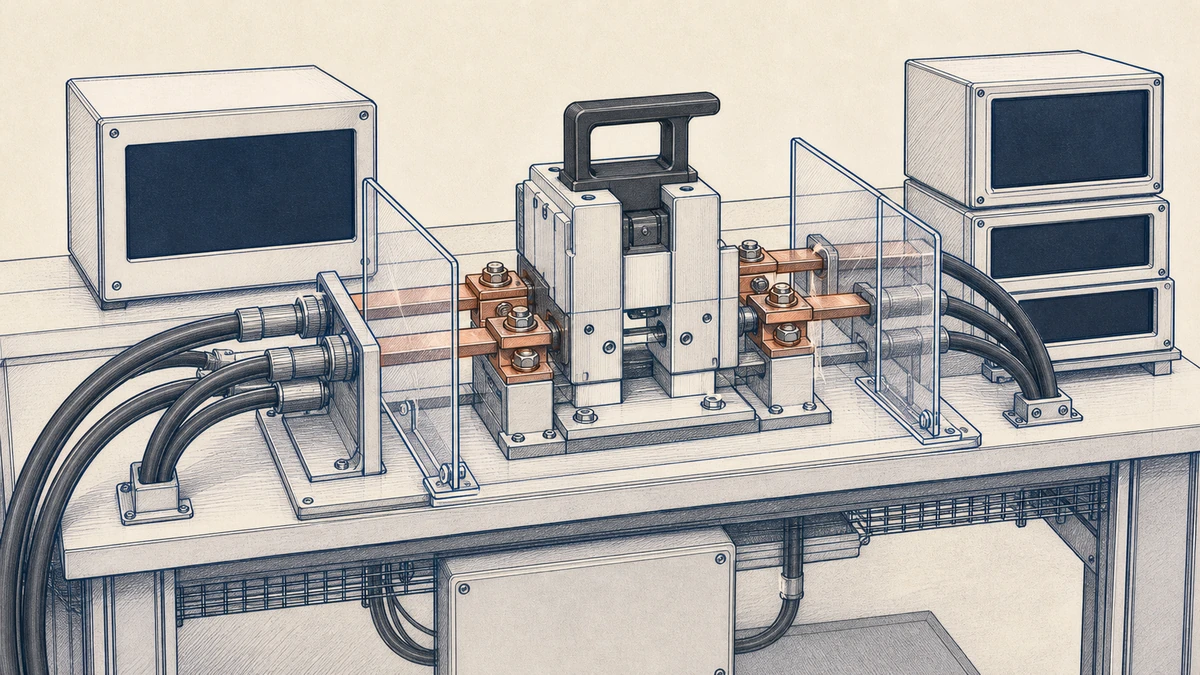
DC-PV2 is specifically associated with PV circuits where higher overcurrents and bidirectional current may occur. This makes it different from more general DC utilization categories.
In practice, DC-PV2 is often considered where PV array architecture allows reverse current contribution from parallel strings, inverter-side conditions, or battery-connected DC systems. These are not the same conditions as a simple resistive DC load.
DC-21B is a DC utilization category for switching resistive loads with moderate overloads. While it is important in DC switching, it does not automatically represent the same PV-specific duty as DC-PV2.
For a PV combiner, inverter input, or high-current string aggregation point, relying only on DC-21B may not be sufficient unless the manufacturer’s documentation explicitly confirms suitability for the circuit and application.
DC-20 products are disconnectors intended for applications that do not require operation under load. They may be suitable for no-load isolation, maintenance isolation, or upstream/downstream circuits where current interruption is not required during operation.
However, a DC-20 rating should not be treated as a load-breaking PV switch rating. If the switch must open while current is flowing, a no-load disconnector is the wrong category unless the system design guarantees and enforces no-load operation.
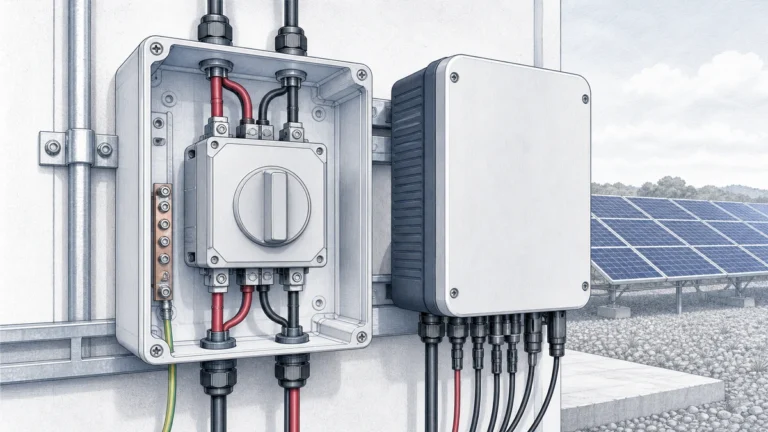
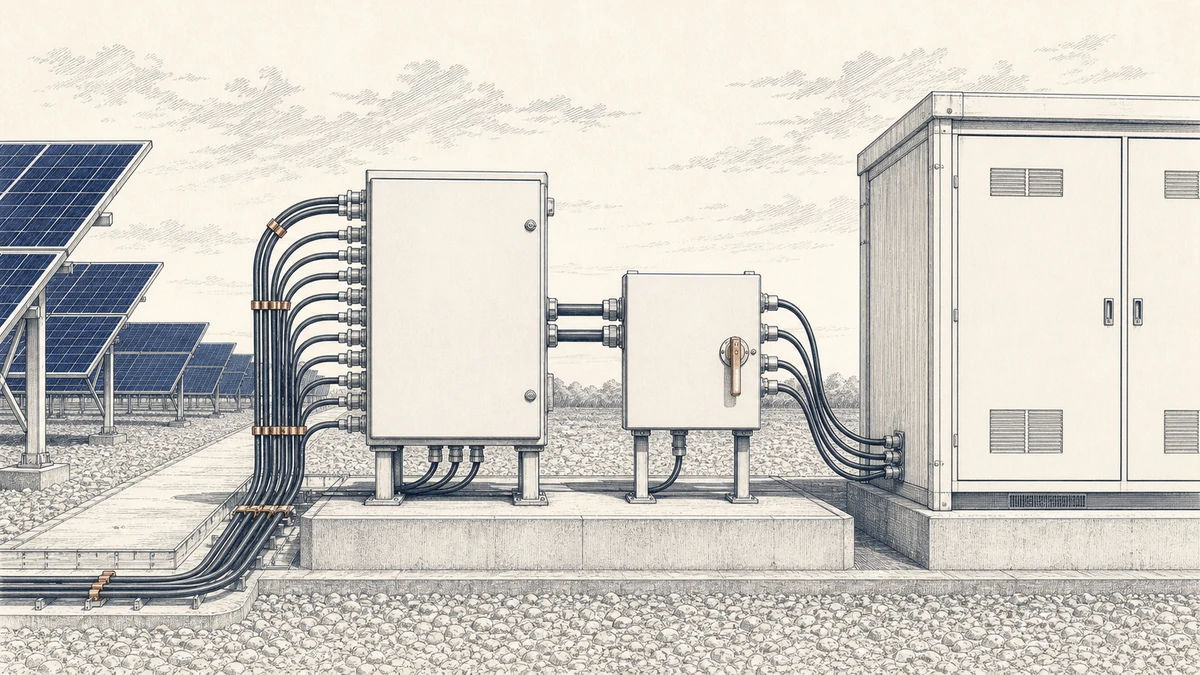
Combiner boxes are one of the most common locations where the **dc-pv2 utilization category** becomes important. Multiple strings connected in parallel can create reverse-current paths and higher available current. The switch-disconnector may be required to isolate the combined output under load or during abnormal operating conditions.
For this reason, a combiner-box DC Switch Disconnector should be selected by its PV utilization category, current rating, voltage rating, and pole arrangement.
At inverter inputs, the switch may need to isolate PV array circuits at high voltage. Depending on the system design, several strings or combiner outputs may feed the inverter. If the switch is expected to break load current, DC-PV2 suitability should be reviewed carefully.
The inverter’s maximum DC voltage, MPPT input current, short-circuit current contribution, and isolation requirements should all be compared against the switch documentation.
PV and battery configurations can introduce bidirectional current flow. This is one of the reasons DC-PV2 is relevant: the switch may not only see current from the PV array toward the inverter, but also current from another DC source depending on system architecture.
Where batteries, DC-coupled storage, or hybrid inverters are involved, selection should be handled at the exact circuit level rather than by assuming a standard PV switch is enough.
Start with the highest possible DC voltage in the system, not only the nominal operating voltage. PV open-circuit voltage rises in cold conditions, so the maximum system voltage must be calculated according to the project design.
If the application is 1,000 V DC or 1,500 V DC, the selected Sinobreaker DC Switch Disconnector must have a published rating for that voltage and the intended circuit configuration.
The switch current rating must be checked against the operating current and the possible short-circuit or overcurrent conditions relevant to the PV circuit. In PV arrays, current may increase due to parallel strings and reverse current contribution.
Do not select a device only because its frame size appears large enough. The published DC-PV2 rating at the required voltage is the value that matters.
DC switch-disconnectors often use multiple poles in series to safely break high DC voltage. The rating can change depending on whether the device is wired as 2-pole, 3-pole, 4-pole, or in a specific series configuration.
A valid DC-PV2 selection must match:
If the switch may be operated while current is flowing, it must be rated for load breaking in that application. A device intended only for isolation after current has already been removed is not enough.
This is where the difference between a DC-PV2 switch-disconnector and a DC-20 disconnector becomes critical.
The phrase “DC disconnect” is too broad. It may describe the function of isolation, but it does not confirm that the device can safely make or break PV current under the expected conditions.
A complete specification should include:
PV systems with parallel strings, combiner outputs, or battery interaction may not behave like a simple one-way source. If current can flow in both directions, the switch must be selected for that condition.
DC-PV2 is relevant because it addresses PV circuits where bidirectional current and significant overcurrents may occur.
A switch-disconnector may have different ratings depending on voltage, current, pole connection, and utilization category. A rating at one voltage or duty does not automatically apply to another.
For Sinobreaker DC Switch Disconnector selection, always verify the specific datasheet value for the intended installation rather than using a general family-level statement.
Before selecting a DC-PV2 switch, define the actual PV circuit conditions. This prevents oversizing by guesswork and avoids underspecification.
Use this checklist:
When DC-PV2 is required, include it directly in the purchase specification. A clear line item may read:
“DC Switch Disconnector for photovoltaic application, IEC 60947-3, DC-PV2 utilization category, rated voltage and current as required by project design, with manufacturer-published wiring configuration.”
This avoids ambiguity and prevents substitution with a generic DC disconnect or a no-load disconnector.
The final check should be made at product-code level. Confirm that the selected Sinobreaker device has the correct published rating for the exact voltage, current, utilization category, and configuration.
This is especially important for high-voltage PV installations, where different devices in the same product family may have different ratings or intended applications.
The **dc-pv2 utilization category** is a PV-specific switching category used for DC switch-disconnectors that make and break photovoltaic circuits where significant overcurrents may occur and where current can be bidirectional. It should always be checked together with the device’s voltage, current, standard, and wiring configuration.
Not always. The required category depends on the circuit and whether the switch must operate under load. For PV combiner outputs, parallel strings, inverter inputs, or PV plus battery systems, DC-PV2 may be necessary. For no-load isolation only, another category may apply, but the system design must prevent load operation.
No, not if the device must make or break current. DC-20 disconnectors are for applications that do not require operation under load. A DC-PV2 switch-disconnector is selected when PV load-breaking duty is required under the specified voltage, current, and circuit conditions.